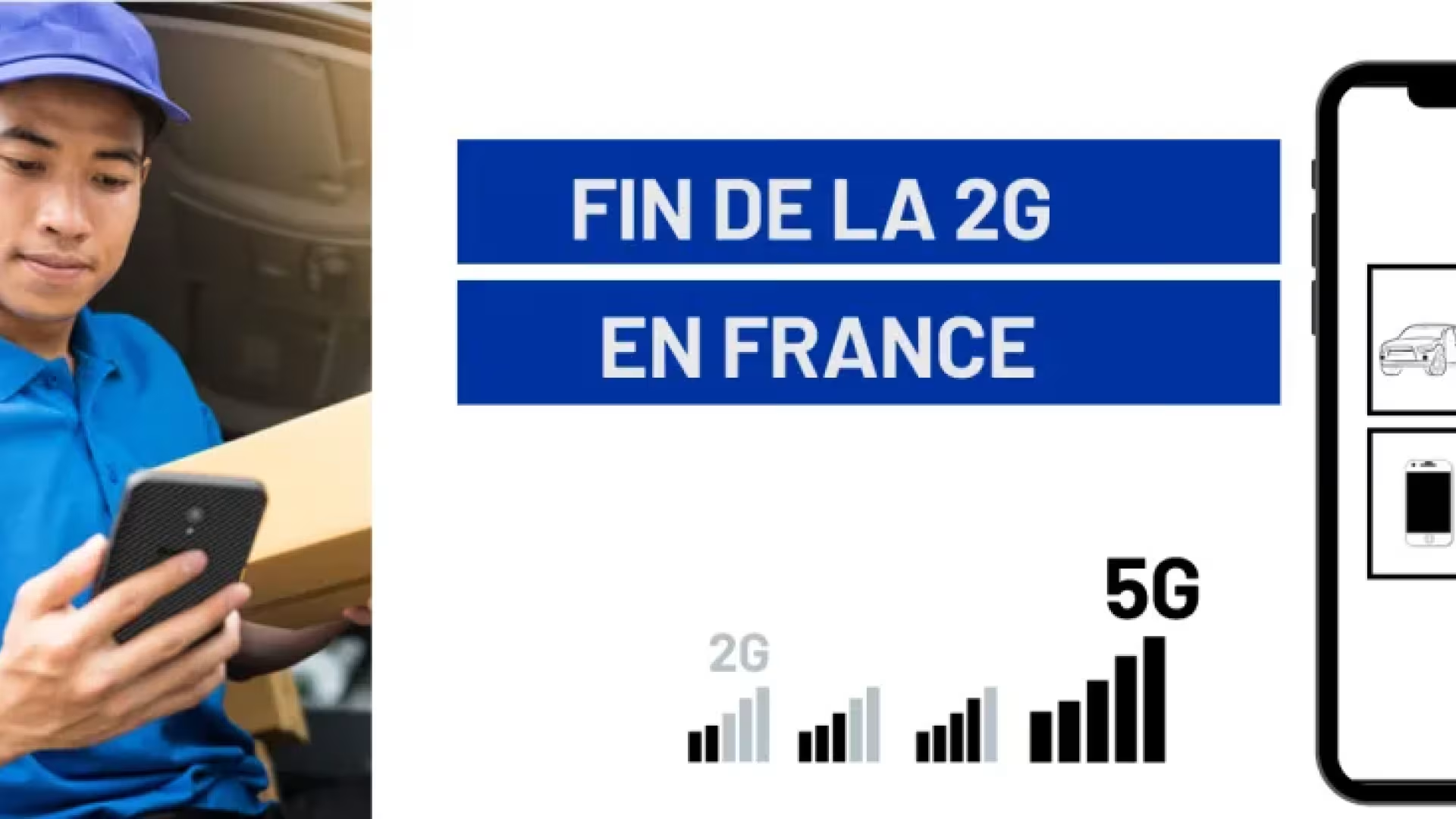
Other European countries such as Germany and Italy have already planned to discontinue 2G and 3G. In other parts of the world, this transition is also underway to encourage the adoption of more advanced telecoms technologies.
Why the end of 2G/3G?
Mobile networks are evolving to meet growing data demand and integrate new, more powerful technologies. Since the 1990s, 2G and 3G have enabled wireless communication, but they are now outdated.
The end of 2G and 3G is explained by the need to adopt more advanced and efficient technologies. These older networks are being replaced by 4G and 5G.
The transition to 4G and 5G
"The end of 2G and 3G will enable Orange to optimize the management of its networks and move them towards more secure, resilient, energy-efficient and modern technologies, such as 4G and 5G," explains the operator.
This transition enables better frequency management and significantly improves network capacity and coverage.
Telecom operators are discontinuing 2G and 3G networks due to their obsolescence in the face of 4G and 5G. These older networks use frequency bands that can be reallocated to modern technologies, offering faster speeds and increased capacity.
What impacts
Ecological aspects of the end of 2G/3G
According to the Ministry of Digital Transition, the end of 2G and 3G offers ecological benefits by reducing operators' carbon footprints.
Impacts on connected devices:
Telephones, vehicles, elevators and security
(PTI/DATI)
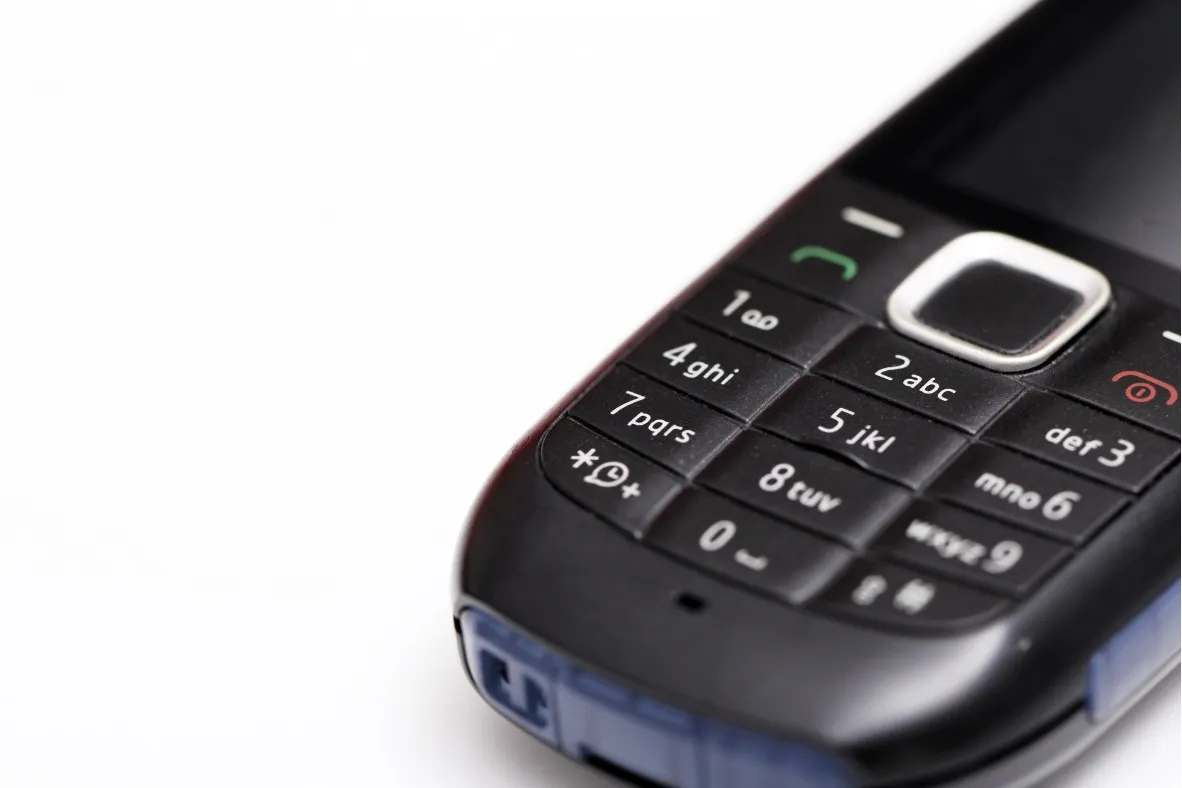
For phones
Phones that rely solely on 2G or 3G will become unusable. Users will have to migrate to 4G or 5G-enabled devices to continue enjoying mobile services without interruption.

For vehicles
The current 2G/3G-based navigation and emergency systems need to be upgraded.
This upgrade ensures fast and reliable connectivity, essential for safety and efficient traffic management.
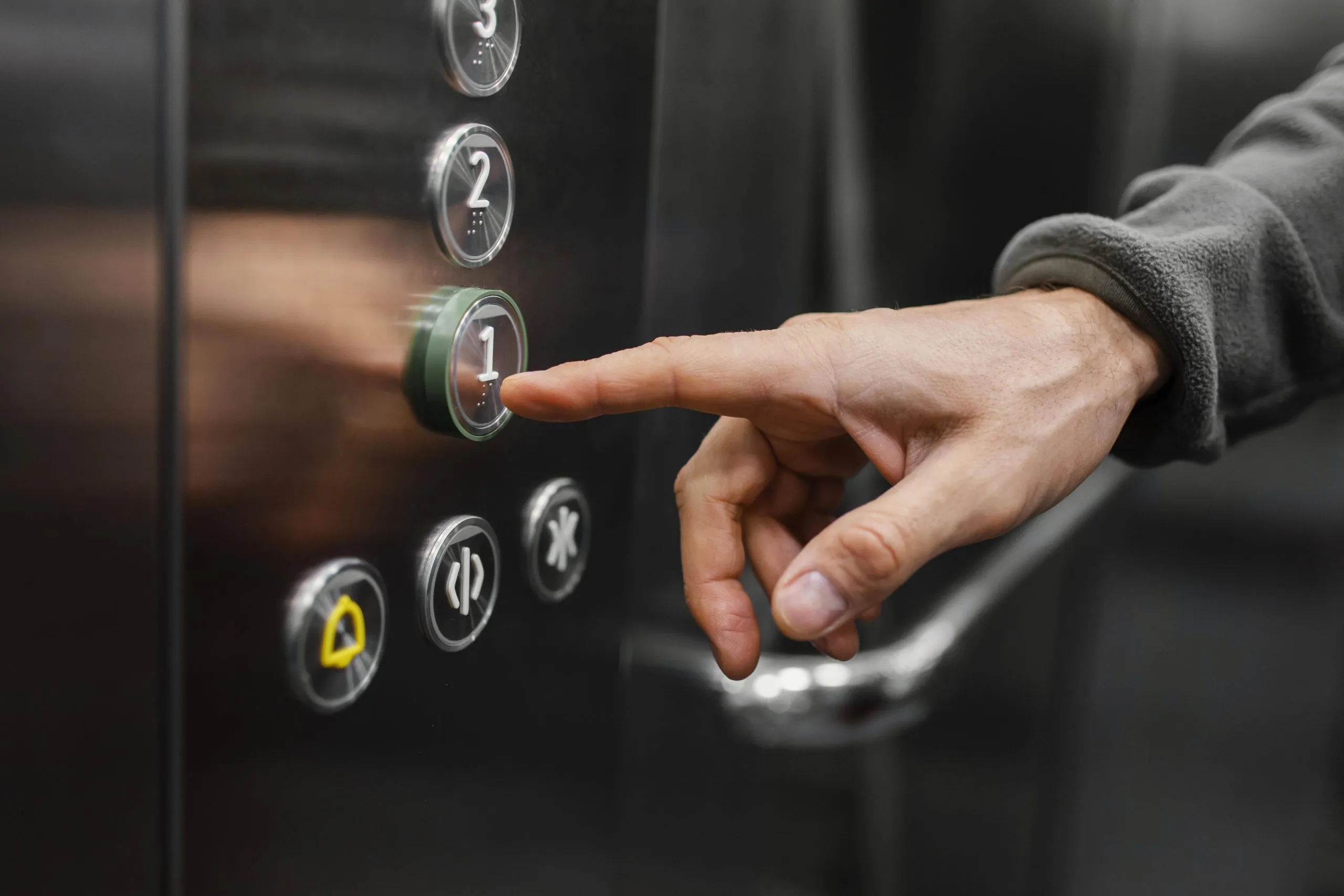
For elevators
The communication devices in elevators, using 2G/3G for alerts and tracking, will need to be adapted. This ensures high safety standards, in line with current regulations.
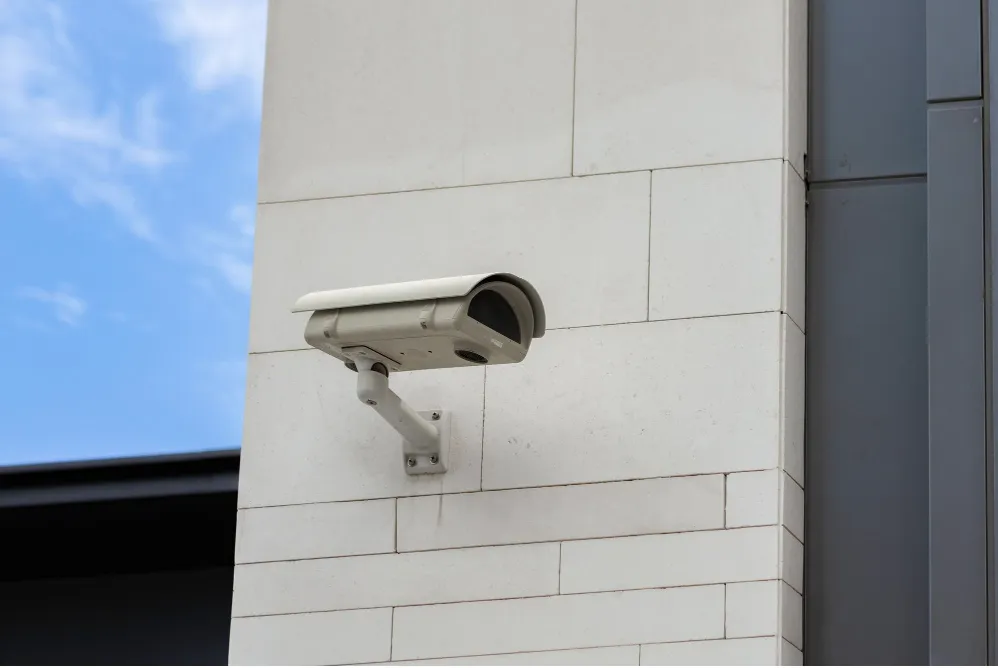
For security
Security systems such as alarms and surveillance cameras, currently connected to 2G/3G, require updating. This enables them to take advantage of the advanced functionality and increased reliability of 4G and 5G.