Submitted by Justine.Pource… on
Système de Sprinklers.png
published on 28/08/2026

Automatic fire suppression: sprinkler, water mist or inert gas. A comparative guide

Written by Guillaume Brizot

A fire can bring business operations to a standstill within minutes. Damaged premises, interrupted production, lost data, a tarnished reputation with customers: the consequences of a fire go far beyond the visible material damage. Installing an effective automatic fire suppression system is therefore not simply a regulatory requirement. It is a genuine investment in business continuity.

But choosing the right technology is essential. Sprinklers, water mist, inert gas: each system meets different needs, with its own advantages, limitations and costs. Faced with such a wide range of solutions, how can you make sense of the options and make an informed choice that is suited to your business and premises?

Protecting your business: a strategic decision

This article takes you step by step through the three main automatic fire suppression technologies. You will discover how they work, their advantages and limitations, as well as the practical criteria for identifying the solution best suited to your environment. Which automatic fire suppression system is right for your business? This article gives you the information you need to answer that question.

The sprinkler fire suppression system

How it works

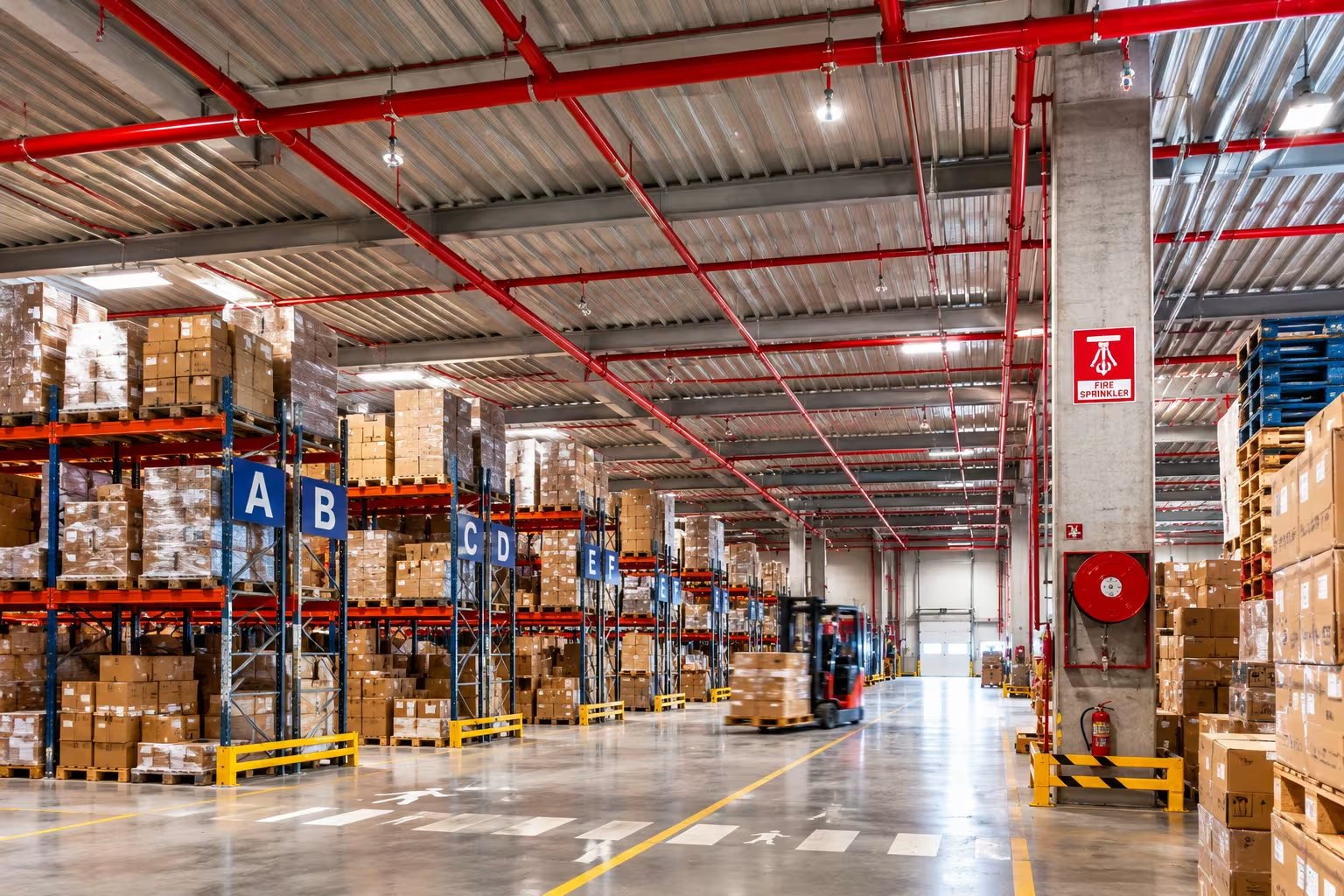
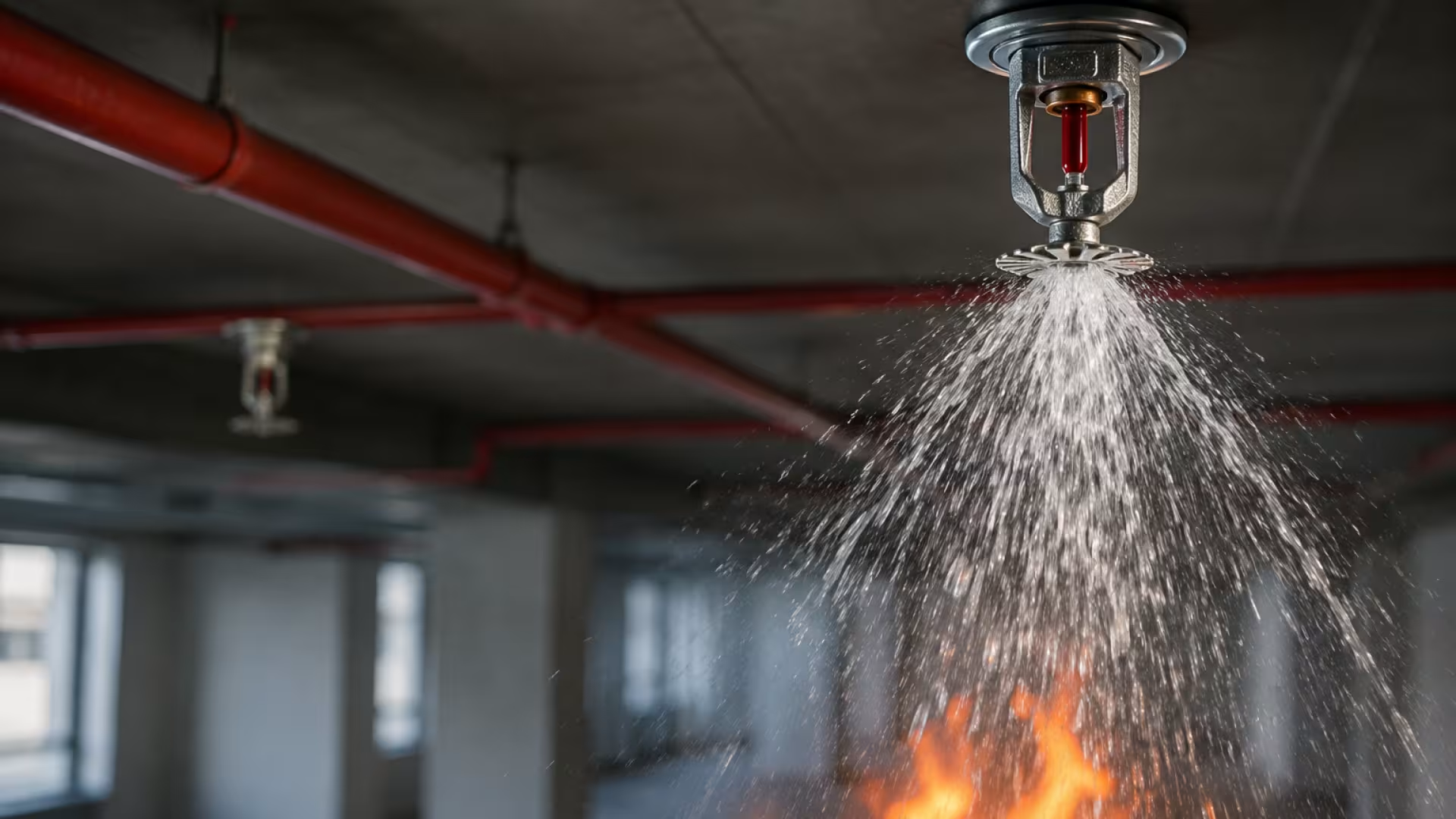
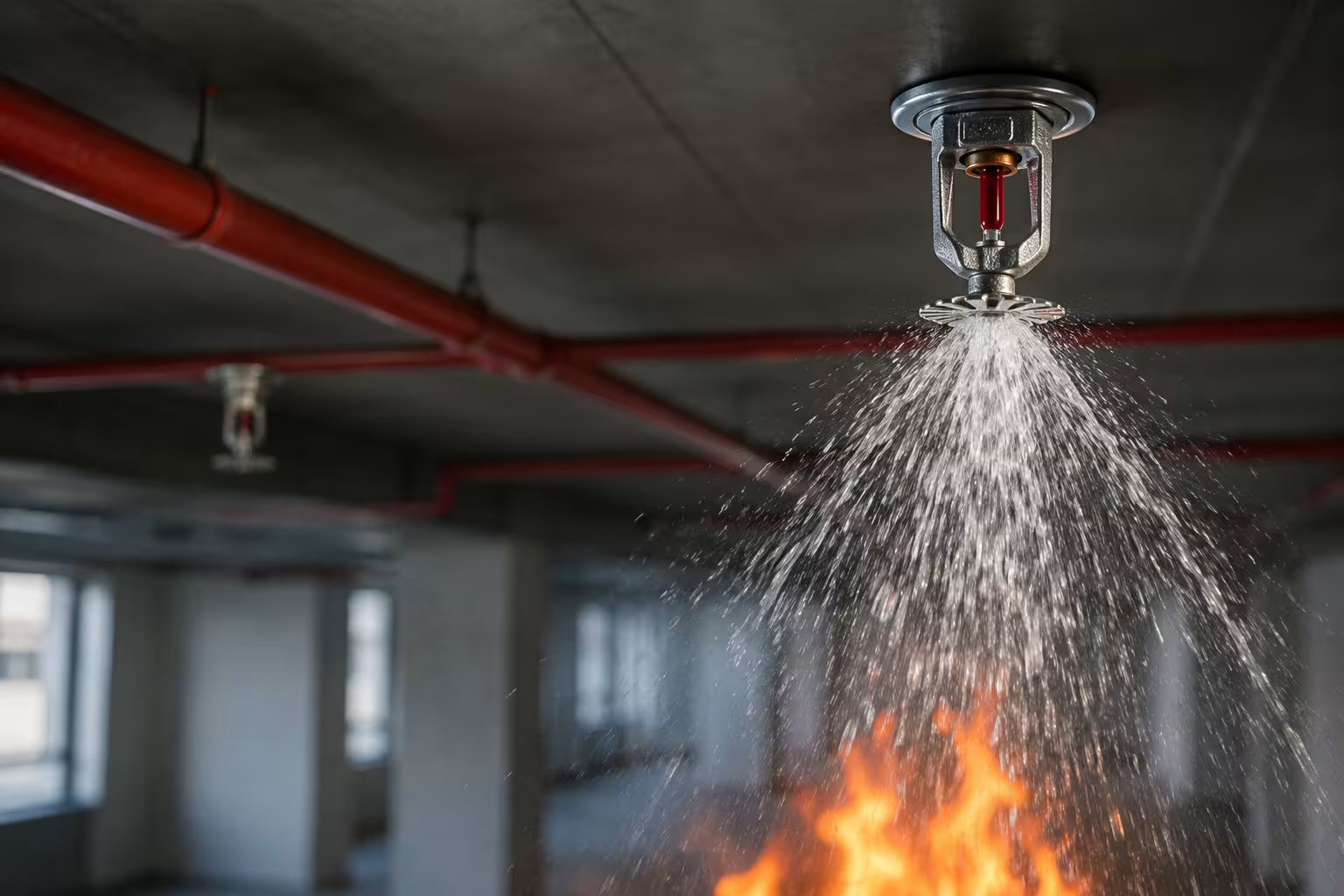
Sprinklers are the most widely used and oldest automatic fire suppression technology. Their operation is based on a network of pressurised pipes, filled with water or air depending on the installation, connected to sprinkler heads distributed throughout the premises to be protected.

Système de Sprinklers.png

Each head is fitted with a heat-sensitive bulb, a small glass bulb containing a liquid that expands when exposed to heat. When the temperature around a sprinkler head exceeds a predetermined threshold, the bulb bursts and releases water locally. Only the heads directly exposed to the fire are activated; the rest of the network remains intact. It is therefore a targeted system designed to cool the fire quickly and slow its spread before the emergency services arrive.

tick icon

Advantages

Sprinklers first stand out for their relatively low and predictable installation and maintenance costs compared with the other two technologies presented in this article. They are also a proven solution that has been used for more than a century and is widely recognised by insurance companies. For Class A fires, involving ordinary combustibles such as wood, paper or textiles, their effectiveness is well established.

Icone panneau attention

Disadvantages

Their main limitation is the water itself. Activation can cause significant water damage, which may also affect areas away from the original fire. Sprinklers are therefore not the most suitable solution for premises containing high-value goods or items that are sensitive to moisture, such as paper archives or IT equipment. They are also not recommended where electrical risks are not under control, and water consumption remains high.

Ideal applications

Sprinklers are particularly suitable for commercial buildings, storage warehouses, shopping centres and parking garages – environments where the risk of water damage remains secondary to the risk of fire spreading across large areas.

Sprinkler Systems.png
Pictogramme utilisateur

Nicolas, Technical Manager, Scutum Incendie

“The most common mistake we correct is a sprinkler network designed around the original configuration of a building and never reviewed after a refurbishment or change of activity. A storage area is added, the fire load increases, but the network does not keep up. The system design should be reviewed whenever there is a significant change of use, not just at the time of the initial installation.”

Water mist fire suppression

How it works

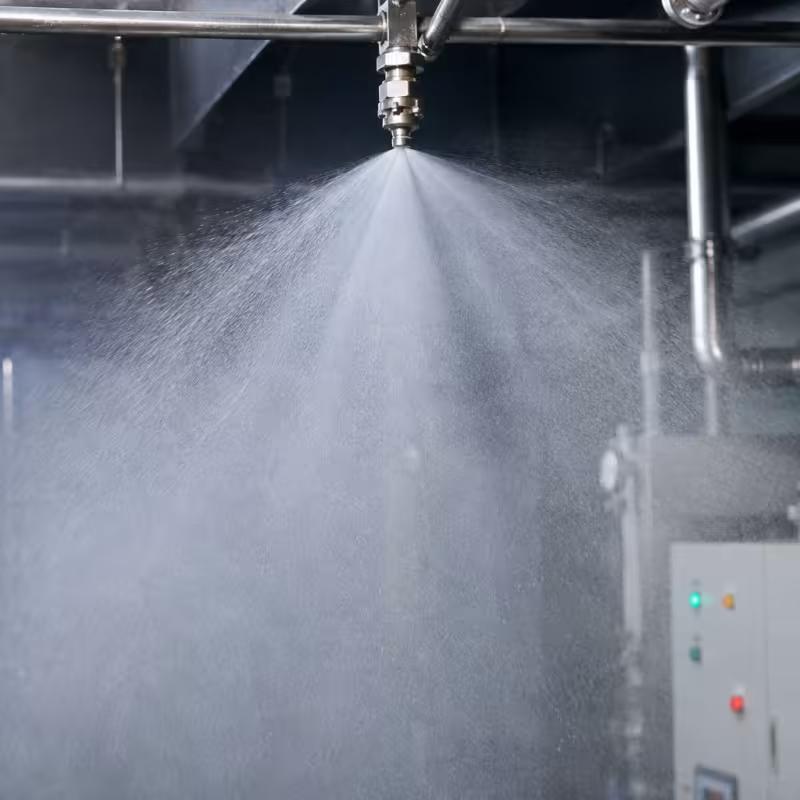
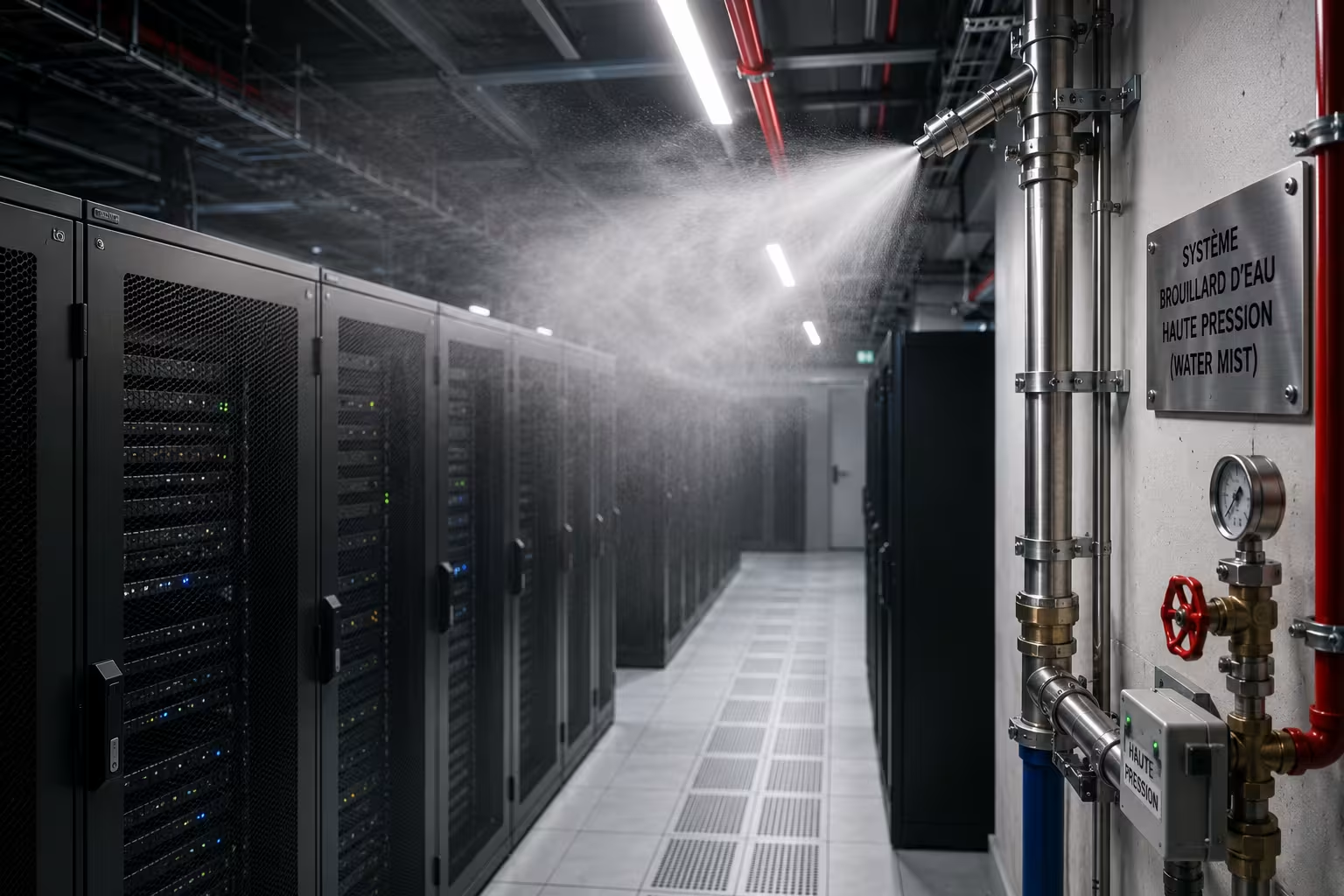
Water mist operates on a significantly different principle from conventional sprinklers. The system disperses, under high pressure, a cloud of extremely fine water droplets, almost the size of natural mist. This dispersal acts on two fronts simultaneously. Firstly, it intensely cools the surrounding air by absorbing heat from the fire. Secondly, the water vapour produced locally displaces the available oxygen and helps to suppress the fire. This dual action explains why water mist can effectively tackle a wider range of fires than traditional sprinklers.

Exctinction par brouillard d'eau.png
tick icon

Advantages

The first advantage is water consumption. It can be up to 90% lower than that of a sprinkler system, while providing comparable or even greater effectiveness for certain types of fire. Water damage therefore remains minimal, even after activation. Water mist is effective against Class A (ordinary combustibles), Class B (flammable liquids) and Class K (cooking oils and fats) fires. Depending on the system design, it can also be used near energised electrical equipment, as the water becomes non-conductive beyond a certain dispersion distance.

Icone panneau attention

Disadvantages

This performance comes at a price. The installation cost is higher than that of a conventional sprinkler system, and the system requires a very pure, filtered water supply, as well as specialist technical maintenance, particularly for the high-pressure pumps responsible for dispersing the water.

Ideal applications

Water mist is particularly well suited to hotels, art galleries, hospitals, commercial kitchens, plant rooms and, with certain technical precautions, data centres.

Extinction par brouillard d'eau haute pression.png
Pictogramme utilisateur

Sébastien, Project Manager, Scutum Incendie

“We recently equipped a central catering kitchen with an automatic fire suppression system for the cooking areas, coupled with an automatic gas supply shut-off in the event of activation. The objective was not simply to extinguish a fryer fire, but to prevent it from spreading to the extraction hood and ducts – one of the most destructive scenarios in this type of environment.”

Inert gas fire suppression

How it works

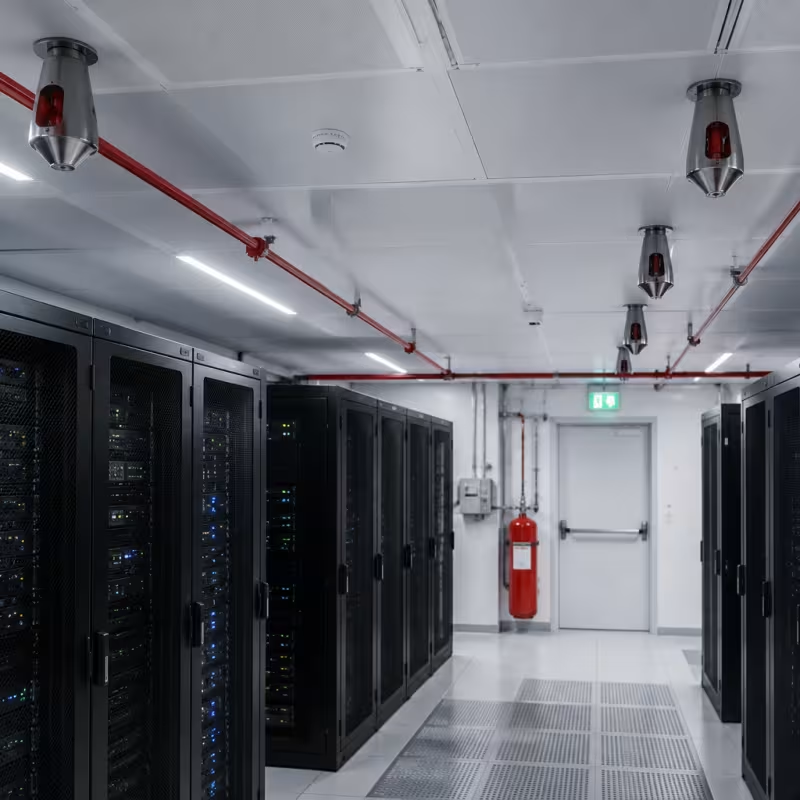
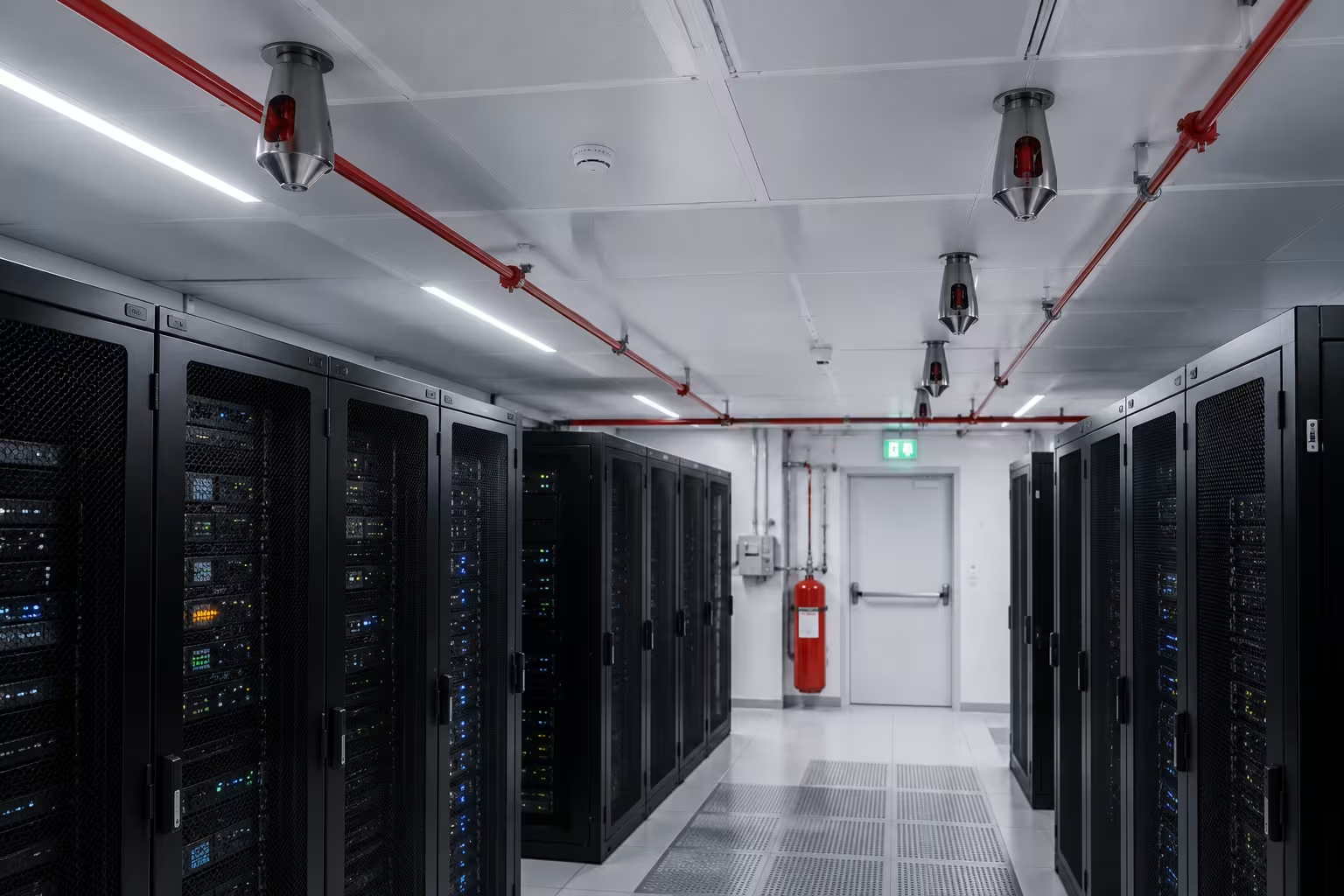
Inert gas operates according to a radically different principle from the two technologies described above. Rather than cooling or locally suppressing a fire, it works by total flooding of an enclosed room. The system releases a neutral gas, such as nitrogen, argon or a mixture of the two, which occur naturally in the air we breathe. This gas reduces the oxygen concentration in the room below the level required for combustion, generally to around 15%. Deprived of oxygen, the fire is extinguished without leaving any residue.

Extinction par gaz inerte.png
tick icon

Advantages

The main advantage of inert gas is the complete absence of residue and damage to equipment, even the most sensitive. Its action is rapid and effective throughout the protected volume. As the gas is not electrically conductive, this technology is particularly well suited to electrical and electronic environments. Another significant advantage is that these gases occur naturally in the atmosphere, making the solution particularly environmentally friendly.

Icone panneau attention

Disadvantages

Inert gas does, however, impose a major constraint: the room must be completely airtight for the system to be genuinely effective, which requires specific adaptation work. The process can also pose a danger to people if evacuation does not take place before activation, which is why it is systematically combined with an evacuation alarm. Finally, costs remain high, both for installation and for recharging the cylinders after each use.

Ideal applications

This technology is reserved for environments where the value of the assets justifies the investment: data centres, server rooms, archives, museums, control rooms and any space used to store irreplaceable assets.

Extinction par gaz inerte.png

Comparison table: the key points for making a decision

Beyond the operating principles, the decision often comes down to practical criteria: impact on assets, people’s safety, installation constraints and costs. Here, at a glance, is what distinguishes sprinklers, water mist and inert gas on the points that really matter to your business.

How do you choose? The 4 key criteria to analyse

Choosing an automatic fire suppression system is not simply a matter of technical comparison. It depends above all on your specific circumstances. Four criteria deserve particular attention before making any decision.

1 The nature of your premises and your risks

A storage warehouse, an office building, a chemical plant: each environment presents a different risk profile. The type of activity carried out, the presence of flammable materials and the layout of the premises directly influence the choice of the most appropriate technology.

2 The value and sensitivity of the assets to be protected

Paper, electronic equipment, flammable liquids: the nature of the assets present determines what you can, or cannot, afford to lose in the event of activation. It largely determines the choice between a water-based technology and gas suppression.

3 Regulatory and insurance requirements

Your insurer may impose specific requirements depending on the nature of your activity. Applicable fire safety codes, standards and insurance requirements should be checked before making any investment decision.

4 Your overall budget

It is not just about the initial installation cost. Long-term operating costs, annual maintenance, cylinder recharging and regulatory inspections are equally important to the final decision and should be anticipated from the outset.

Inspection sécurité incendie.png
Pictogramme utilisateur

Guillaume, Commercial Director, Scutum Incendie

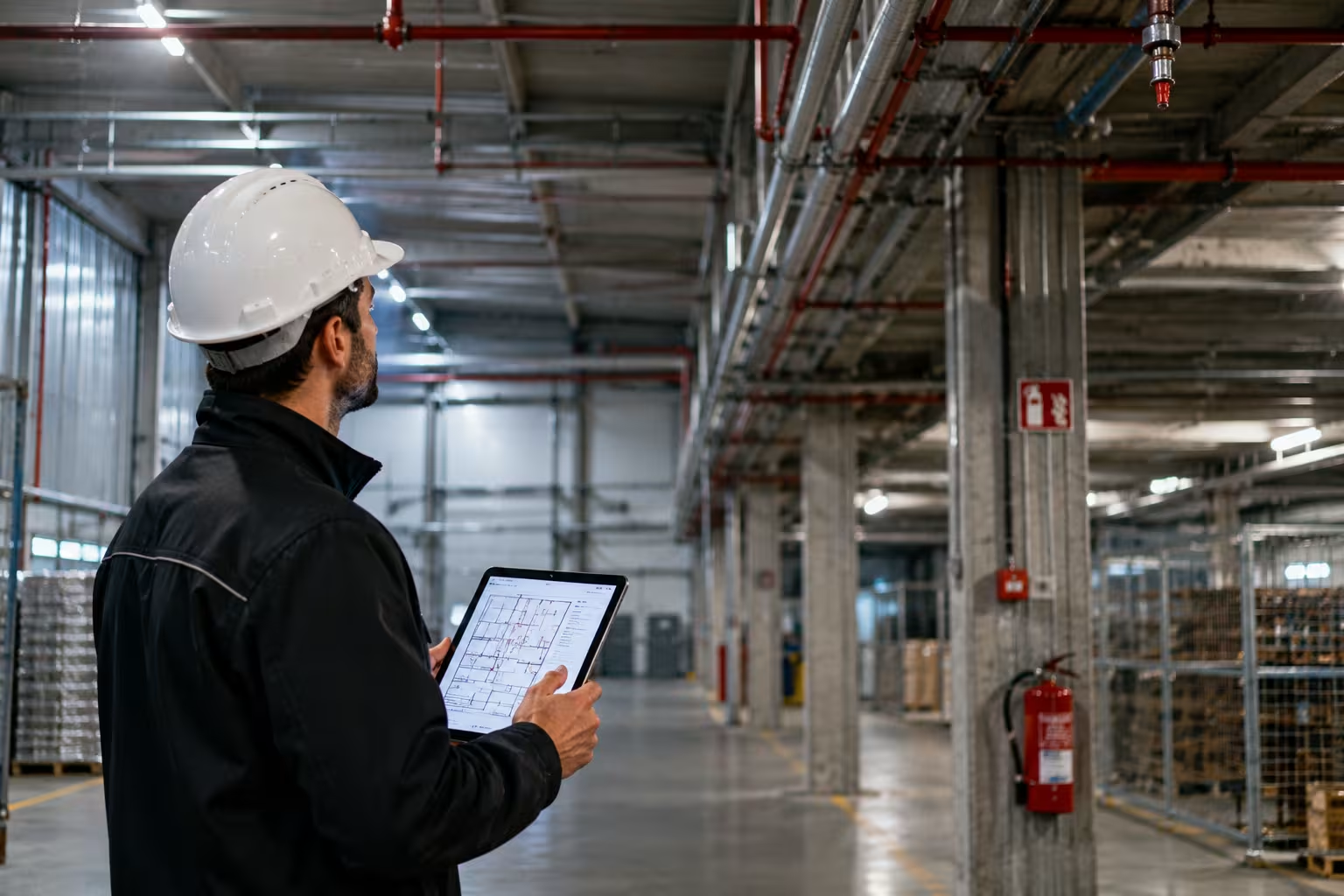
“What really differentiates an offering is not just the technology proposed, but the audit methodology that comes before it. At Scutum, every project starts with a site visit and precise mapping of the risk areas, before we even discuss sprinklers, gas or water mist. This preparatory work is what ensures that the right solution is installed, rather than simply the one we know how to sell.”

Conclusion: a tailored choice for optimal protection

There is no single best automatic fire suppression system. There is only a solution suited to a particular context. Sprinklers remain a solid reference for protecting conventional spaces, at a controlled cost. Water mist is the preferred option where effectiveness must be combined with minimal damage, particularly where sensitive equipment is present. Inert gas, finally, is intended for protecting critical assets where no trace should remain after extinguishing.

Every business is unique, with its own risks and constraints. For an accurate assessment of your risks and a tailored quotation, contact the Scutum experts.

Scutum technician with service van

FAQ: frequently asked questions about automatic fire suppression systems

What is the lifespan of a sprinkler system?

A properly maintained sprinkler system can operate for several decades, potentially between 30 and 50 years. Annual maintenance is essential to ensure its long-term reliability and the correct operation of each sprinkler head.

Can water mist damage electronic equipment?

The risk is very low compared with a conventional sprinkler system. The microdroplets evaporate quickly and are not conductive while suspended in the air. Direct and prolonged contact with equipment is nevertheless not recommended.

Which system is the most expensive to install?

Generally speaking, the ranking goes from sprinklers, the least expensive, to inert gas, the most expensive, with water mist in between. This ranking can vary depending on the size of the area to be protected and the configuration of the premises.

Does each system require specific maintenance?

Yes. All automatic fire suppression systems require regular maintenance, carried out by qualified professionals. For sprinklers, this involves checking pressure levels and the condition of the sprinkler heads. For water mist, the purity of the water and the high-pressure pumps are carefully checked. For inert gas, the room's integrity and the weight of the cylinders are checked regularly.