Average Lifespan of a Fire Extinguisher
The average lifespan of a fire extinguisher varies depending on its type:
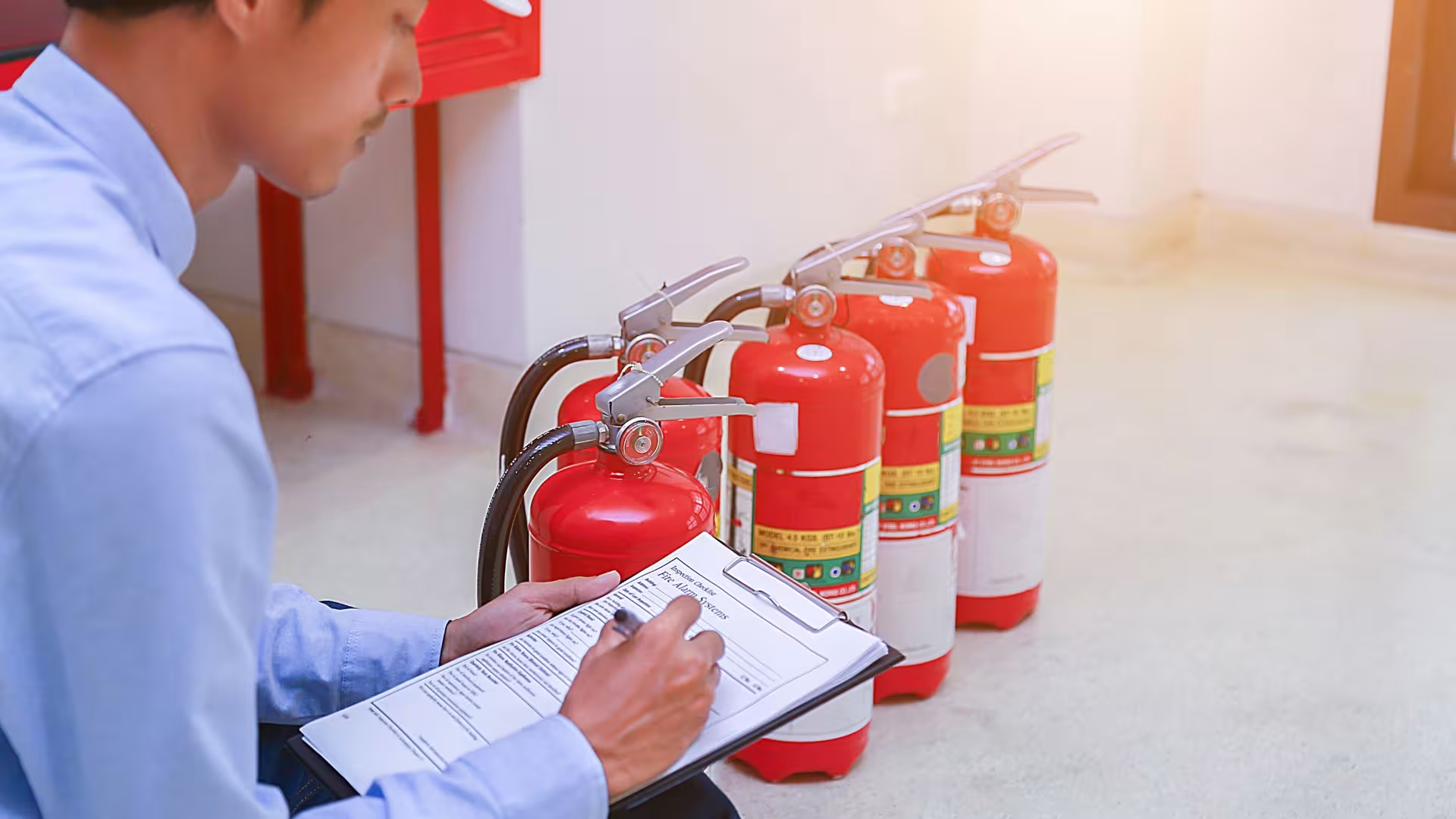
There's no need to remind you that the safety of your premises in the event of a fire depends on the proper maintenance of your fire extinguishers. This equipment must be operational and comply with applicable standards to avoid unpleasant surprises in the event of an incident. In this guide, you'll find everything you need to know about fire extinguisher maintenance and service life.
The average lifespan of a fire extinguisher varies depending on its type:
Water fire extinguishers have an average service life of 10 years. However, they should be inspected and serviced regularly to check their condition and proper operation. Recharging should be carried out in accordance with the manufacturer's instructions and applicable maintenance requirements.
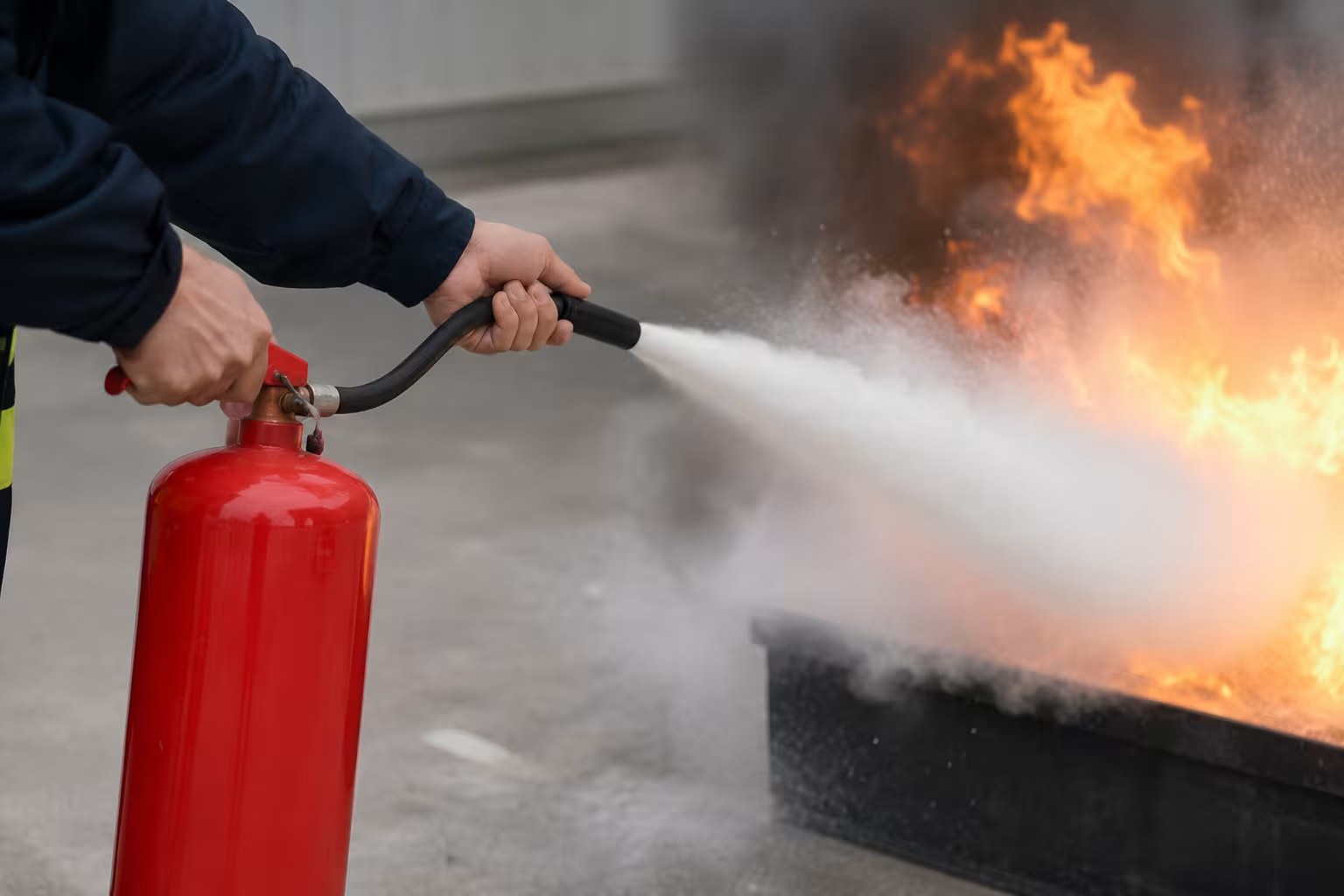
Dry chemical fire extinguishers have an average service life of 20 years, which is the longest service life compared with other types of fire extinguishers. However, it remains important to have these extinguishers regularly inspected and to carry out the required maintenance and recharging procedures according to the model and the manufacturer's recommendations.
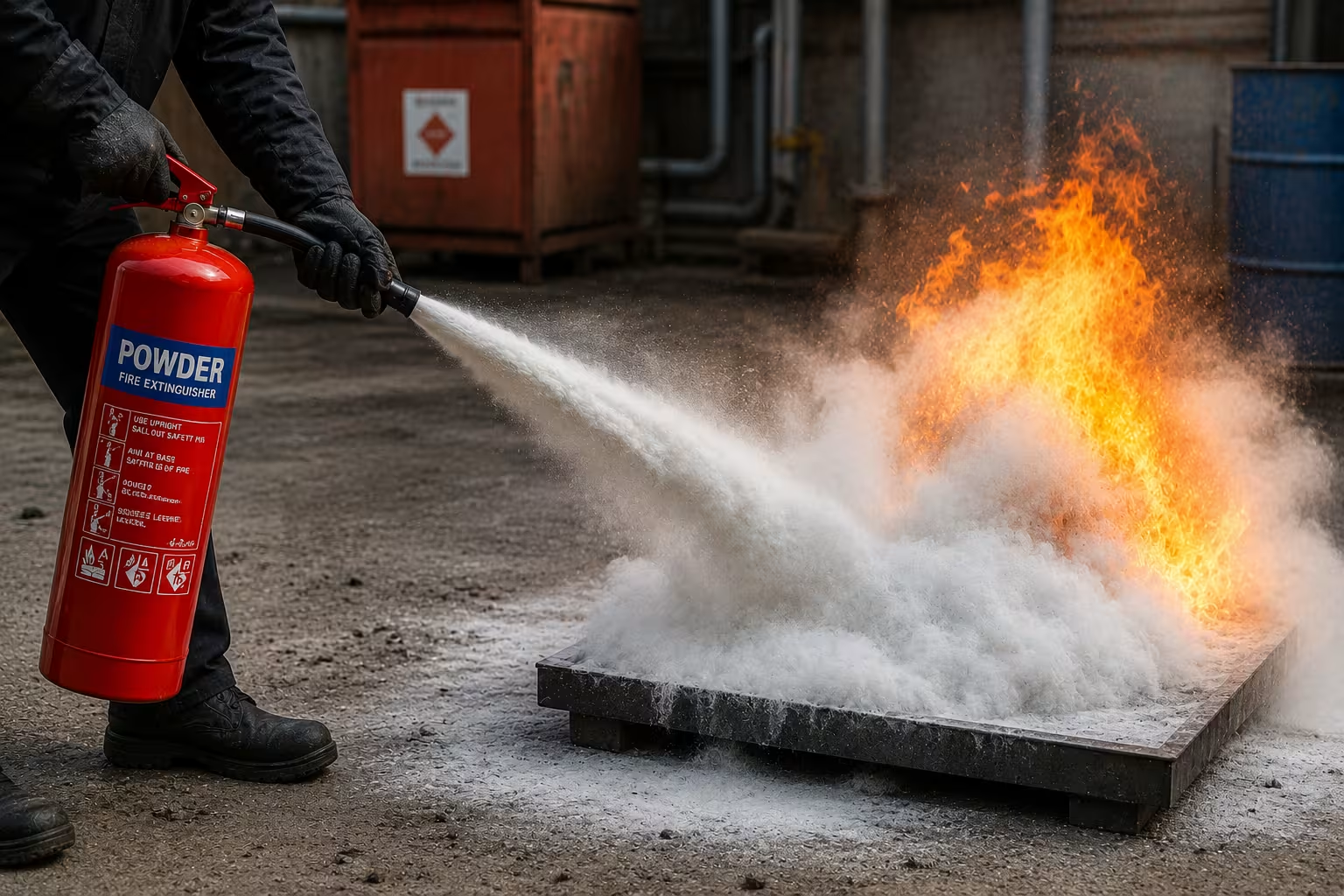
CO₂ extinguishers have an average service life of 10 years. They must be regularly inspected and serviced in accordance with applicable requirements and the manufacturer's instructions.
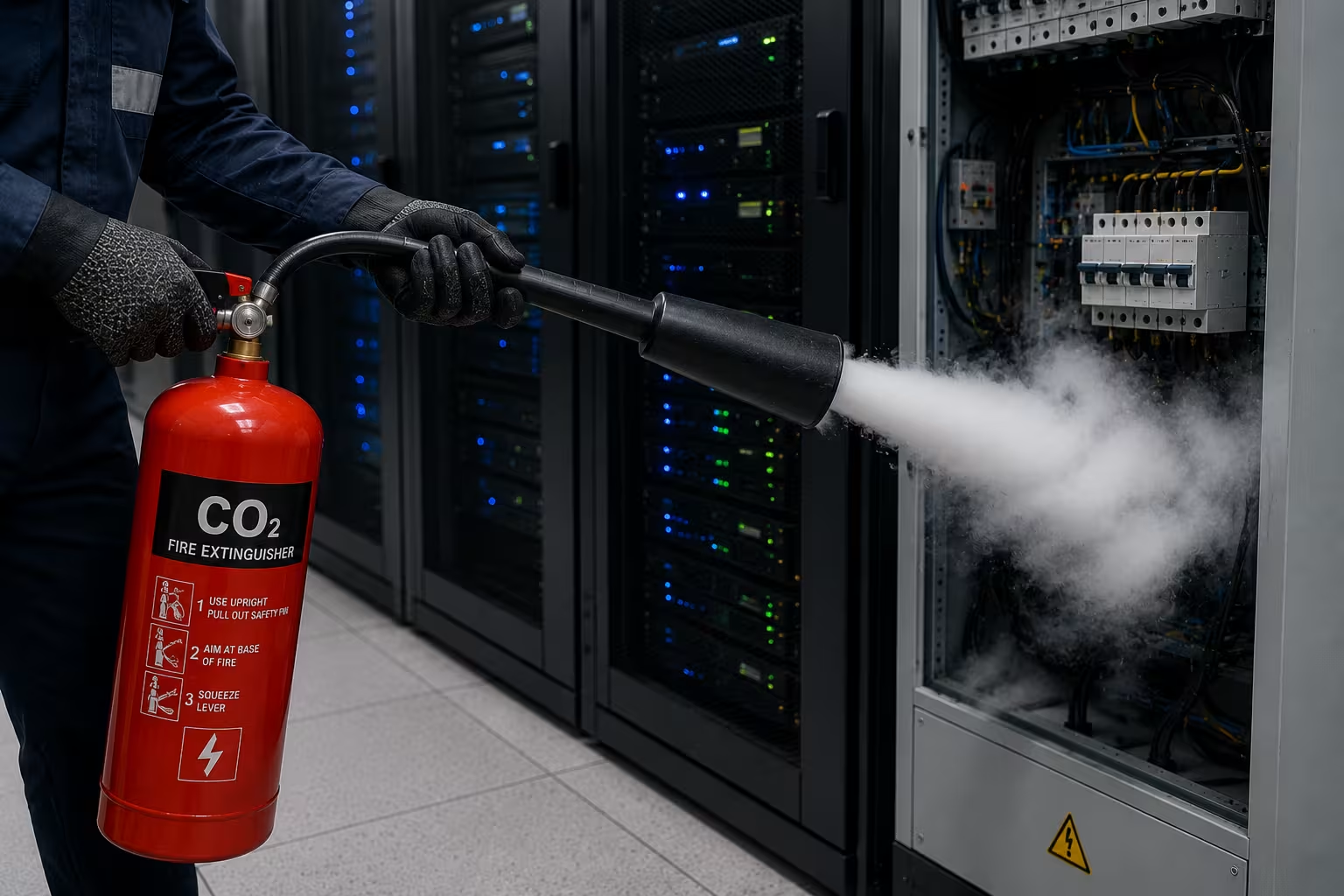
Foam extinguishers have an average service life of 15 years and should be inspected regularly. Recharging should be carried out according to the applicable maintenance schedule, the model and the manufacturer's recommendations.
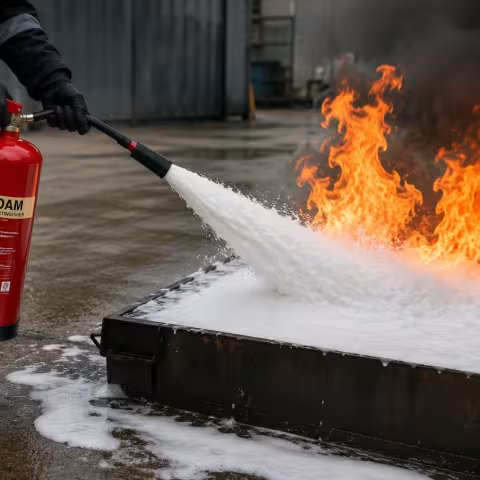
Please be aware that these service lives are provided for guidance only. They may vary depending on the model and the environment in which the extinguisher is located. It is therefore important to follow the manufacturer's recommendations.
To ensure that fire extinguishers remain in good working order and are ready for use in an emergency, they must be inspected and maintained at regular intervals.
In the United States, portable fire extinguisher inspection, maintenance and servicing are primarily addressed by NFPA 10 – Standard for Portable Fire Extinguishers, together with applicable local fire codes and requirements. Fire extinguishers must be inspected and maintained by qualified personnel in accordance with the applicable requirements and the manufacturer's instructions.
Following the recommended inspection and maintenance schedule helps organizations minimize risk, meet their fire safety responsibilities and ensure that extinguishers will operate effectively when needed.
To ensure that your fire extinguishers remain in good working order and are ready for use in an emergency, they should be inspected and serviced annually by a qualified fire extinguisher service provider.
Depending on the type of extinguisher, certain maintenance procedures, including internal examination and recharging when required, must be carried out at the intervals specified by applicable standards and the manufacturer's instructions.
At specified intervals, fire extinguishers must undergo the applicable tests and maintenance procedures to assess their condition and performance. The extinguishing agent should also be replaced or recharged when required.
At Scutum, we recommend entering into a fire extinguisher maintenance agreement with a qualified and specialized service provider. This helps ensure that your fire extinguishers are inspected and serviced at the appropriate intervals, supports compliance with applicable requirements and reduces the administrative burden of managing inspection schedules and maintenance visits internally.
Regular fire extinguisher maintenance is essential to ensure that equipment remains safe, compliant and ready to operate in an emergency. A poorly maintained extinguisher may fail when it is needed most, potentially putting lives, property and business operations at risk.
Effective maintenance helps ensure:
Investing in regular fire extinguisher maintenance is therefore not only a legal and practical requirement, but also an important part of protecting your people, assets and long-term business resilience.
Fire extinguisher maintenance is carried out in several stages:
Visual inspection: The general condition of the fire extinguisher, as well as its accessibility, is checked.
Technical assessment: The qualified professional checks that the extinguisher shows no signs of leakage and verifies its pressure, where applicable.
Recharging by the service provider: Depending on the maintenance schedule, the service provider may need to recharge the extinguisher.
Adding a maintenance tag to the extinguisher: This tag records the maintenance performed on the equipment and provides a record of the service.
While having a fire extinguisher maintenance contract is not necessarily a legal requirement in every situation, it is highly advisable to engage a qualified and specialized fire extinguisher service provider to ensure that your equipment is inspected and serviced at the appropriate intervals.
Regular fire extinguisher maintenance is an important part of meeting fire safety responsibilities and helping to protect people, property and business operations. By following the recommended maintenance schedule, organizations can reduce the risk of equipment failure and ensure that extinguishers will operate effectively in an emergency.
Although a maintenance contract is not necessarily mandatory, partnering with a specialized service provider can provide valuable peace of mind, ensuring that inspections and servicing are carried out on time and by qualified professionals.