Submitted by Justine.Pource… on
Batiment sécurisé.png
published on 15/07/2026

Fire Safety Systems: Definition, Purpose, and Key Components

When a fire breaks out, every second counts. The difference between a safe evacuation and a major disaster often depends on one critical factor: the speed and effectiveness of your building's fire safety system. This is where a Fire Safety System plays a vital role.

Why Is a Fire Safety System the Foundation of Fire Protection?

Contrary to what many people think, a Fire Safety System is much more than a fire alarm. It is an intelligent, integrated system designed to detect a fire, alert building occupants, and automatically activate critical life safety measures within seconds to protect both people and property.

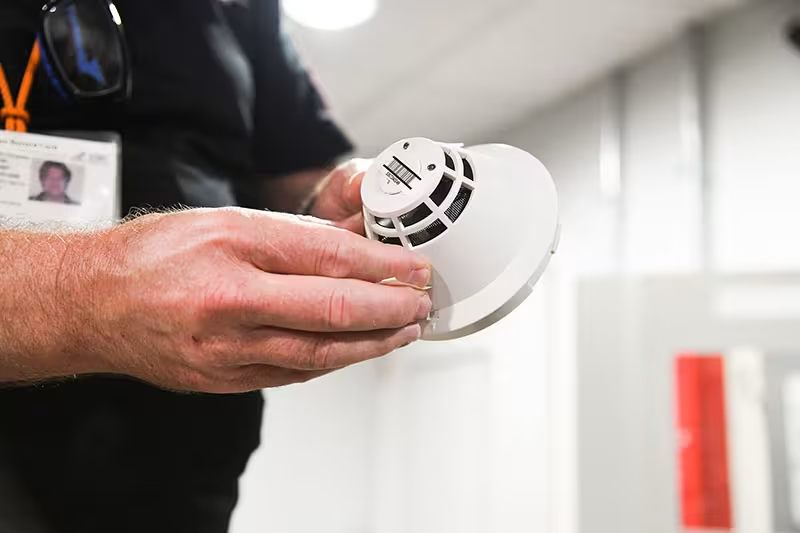
Scutum fire alarm inspection 1

For business owners, facility managers, and property managers, understanding how a Fire Safety System works is essential to building an effective fire protection strategy. In this article, we'll explain what a Fire Safety System is, how it works, and the key components that make it effective.

Pictogramme utilisateur

Pascal JEANNET Scutum Fire Safety Systems Project Manager - APSAD Certified

Fire safety is a critical part of protecting both employees and business assets. A fire can result in tragic injuries or loss of life while also causing severe damage to buildings, equipment, and essential business records, disrupting operations for weeks or even months. That's why every organization, regardless of its industry, should make fire prevention a key element of its overall risk management strategy.


Fire safety should never be taken for granted.


An effective fire alarm system, combined with appropriate fire suppression equipment, can significantly reduce the impact of a fire. However, prevention remains the most effective way to protect people, property, and business continuity.


Workplace fires can result from many different causes, which generally fall into three main categories:

Pictogramme d'ampoule noir

Electrical hazards (approximately 30% of workplace fires)

overloaded electrical circuits, electrical arcing, damaged insulation, faulty wiring or connections, and electrostatic discharge.

User

Human factors

negligence, intentional acts, and insufficient employee awareness or fire safety training.

Building

Workplace conditions

inadequate ventilation, poor facility layout, improper handling of hazardous chemicals, or smoking in unauthorized areas.

What Is a Fire Safety System?

Definition

A Fire Safety System is a network of interconnected devices designed to detect the early signs of a fire, alert building occupants, and automatically activate the safety measures needed to protect people and property. Depending on the building's requirements, the system may operate automatically, manually, or through a combination of both.

incendie

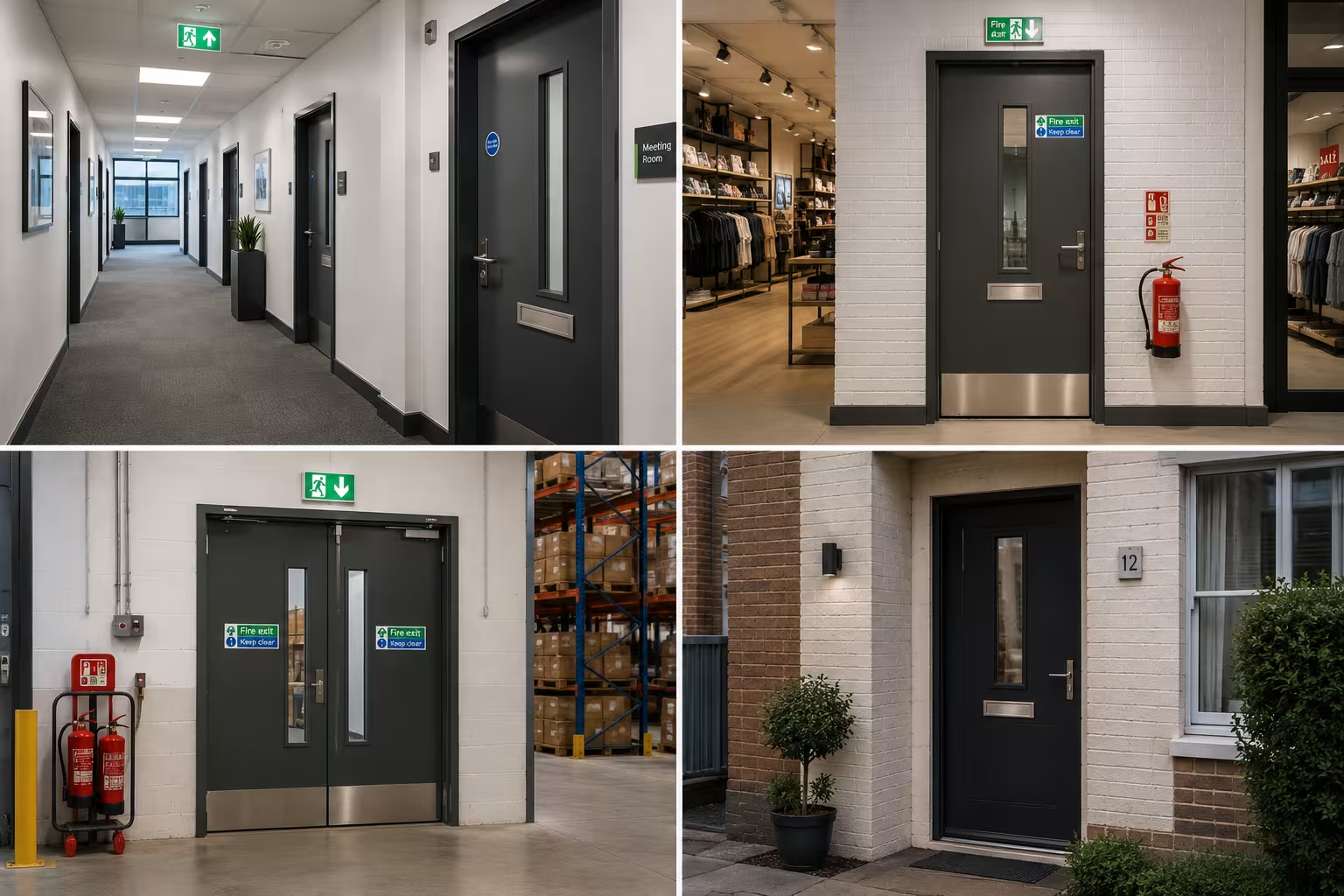
What sets a Fire Safety System apart from a standalone fire alarm is its ability to actively manage the building's fire protection response. In addition to sounding an alarm, it can automatically close fire doors, activate smoke control systems, and unlock emergency exits to support a safe evacuation. A fire alarm warns occupants of danger; a Fire Safety System takes action.

Exemples fire doors.png

In the United States, Fire Safety Systems must comply with applicable fire codes and standards governing their design, installation, testing, and maintenance. The specific requirements vary depending on the type of building, occupancy, and level of fire risk.

The Two Essential Functions of a Fire Safety System

Function 1: Fire Detection

The primary role of a Fire Safety System is to detect the early signs of a fire before it has the opportunity to spread. The sooner a fire is detected, the easier it is to minimize property damage and ensure a safe evacuation.

To accomplish this, a Fire Safety System relies on different types of detectors selected according to the specific fire risks in each area of the building:

tick icon

Smoke detectors

the most common type, designed to detect airborne smoke particles.

tick icon

Heat detectors

ideal for dusty or humid environments where smoke detectors may be prone to false alarms.

tick icon

Flame detectors

used in high-risk areas where fires can ignite rapidly, such as warehouses and industrial facilities.

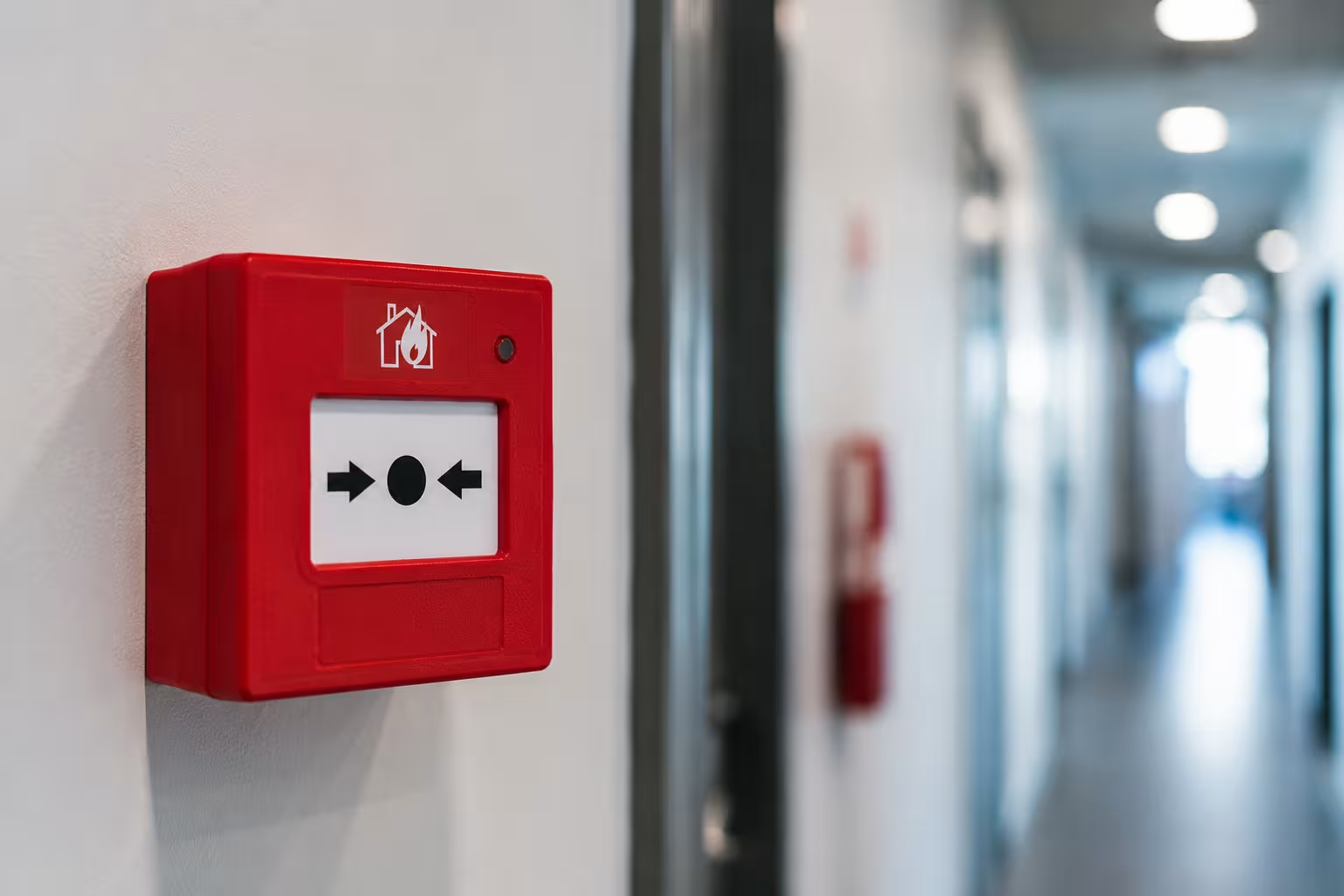
The system also includes manual pull stations, the red alarm devices typically installed in hallways and along exit routes, which allow anyone who discovers a fire to manually activate the alarm.

Boîtier rouge alarme.png
Pictogramme utilisateur

Scutum Fire Safety Systems Project Manager - APSAD Certified

An effective Fire Safety System begins with its ability to detect a fire as early as possible while addressing the specific risks of each environment. Selecting the right detectors is essential, but the overall effectiveness of the system also depends on a well-designed solution and the active involvement of building occupants through the use of manual pull stations.

Function 2: Fire Protection and Life Safety

Once a fire has been detected, a Fire Safety System does much more than sound an alarm. It actively controls critical building safety functions to help contain the fire and ensure a safe evacuation.

These fire safety measures typically include:

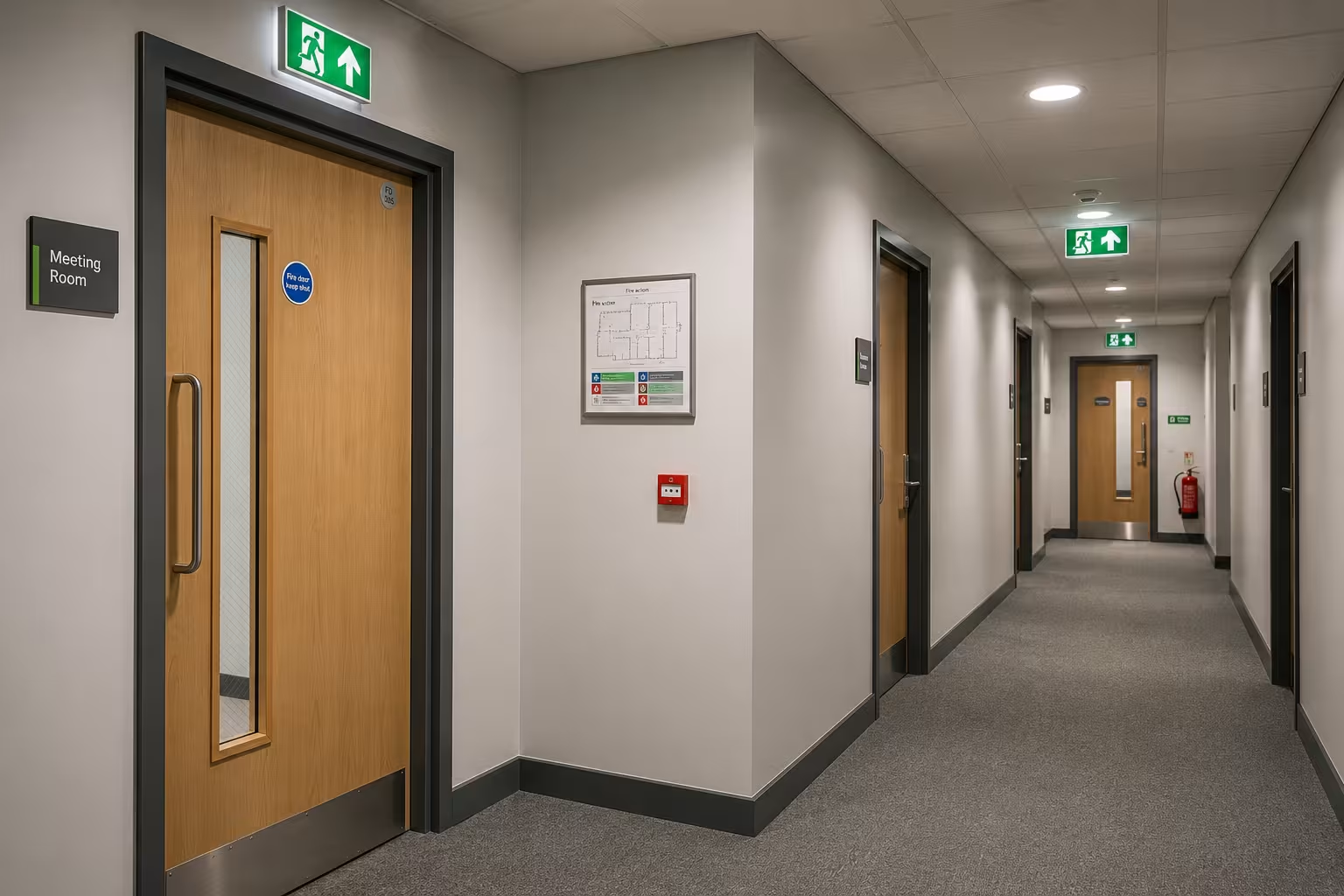
  • Fire compartmentation: automatically closing fire doors and fire barriers to help contain the fire within a specific area.
  • Smoke control: activating smoke vents or smoke exhaust systems to remove smoke and toxic gases from exit routes.
  • Emergency exit release: automatically unlocking emergency exits to allow occupants to evacuate quickly and safely.
  • Building systems shutdown: shutting down ventilation systems, gas supplies, and selected electrical equipment to help prevent the fire from spreading.

It is this combination of early fire detection and automatic life safety actions that makes a Fire Safety System a complete fire protection solution rather than simply an alarm system.

Porte coupe feu.png
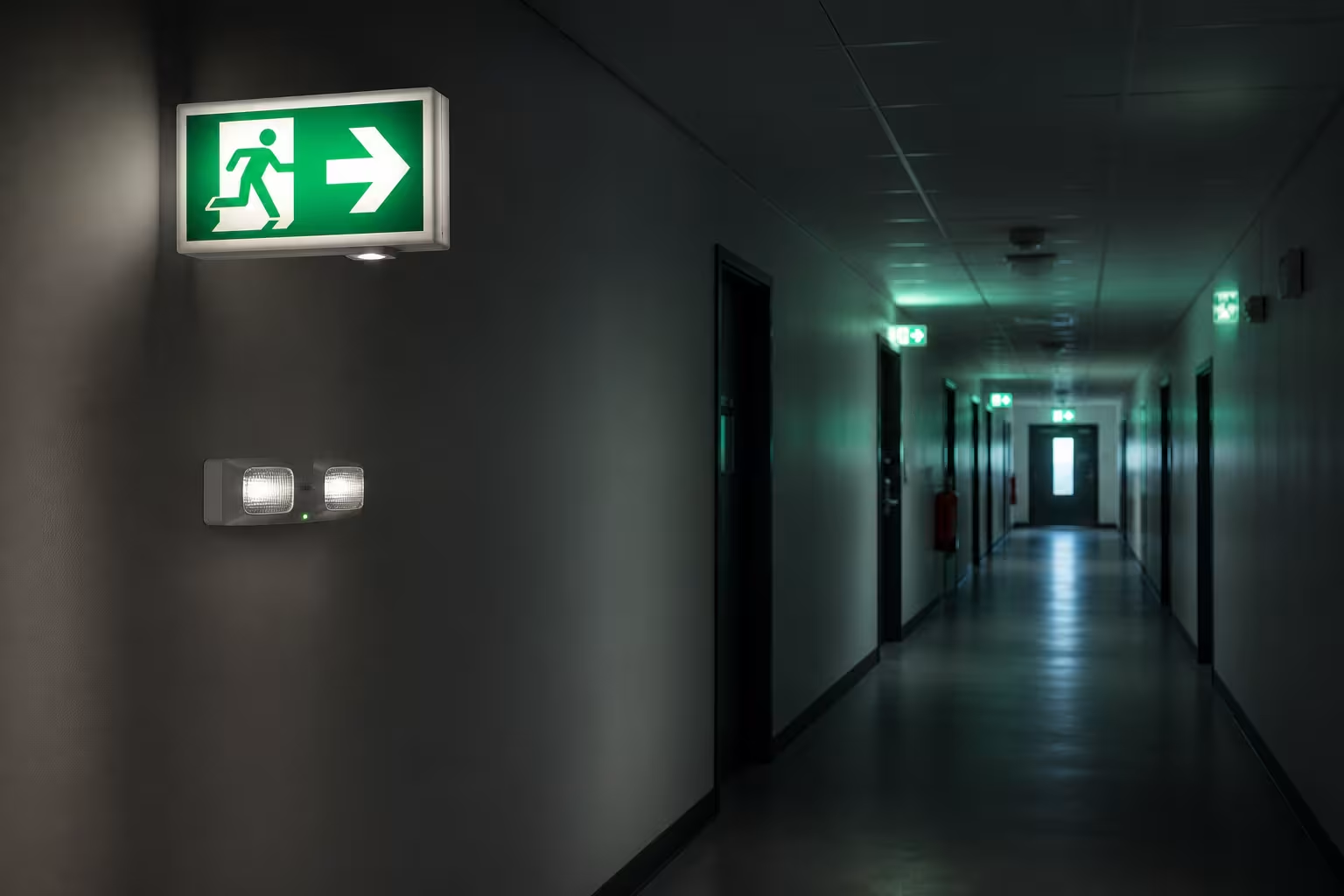
Emergency Lighting

The 3 Key Components of a Fire Safety System

Fire Detection System

The Fire Detection System can be thought of as the "eyes and ears" of a Fire Safety System. Its purpose is to detect the earliest signs of a fire before it has a chance to spread.

It consists of automatic fire detectors, manual pull stations, and, at the heart of the system, the Fire Alarm Control Panel. This central control unit receives signals from all connected devices, identifies the location of the incident, and sends commands to the rest of the system. During an emergency, it provides firefighters and building personnel with critical information about the alarm.

Fire Safety Control System

The Fire Safety Control System is the operational part of the Fire Safety System. It receives instructions from the Fire Alarm Control Panel and automatically initiates the appropriate safety actions throughout the building.

Its central control unit manages all connected fire safety devices, including smoke control systems, fire doors, emergency lighting, and the shutdown of selected building services when required. It transforms a fire alarm into a coordinated building-wide response that helps protect both occupants and property

Alarm Equipment

The Alarm Equipment is responsible for notifying occupants of a fire so they can evacuate as quickly and safely as possible. Integrated into the Fire Safety System, it typically includes:

Siren

Audible alarms

sirens or voice evacuation systems that immediately alert occupants.

Eye

Visual notification devices

flashing strobe lights that are essential for people with hearing impairments and in noisy environments.

The effectiveness of an evacuation depends largely on the reliability, coverage, and performance of these notification devices.

Fire Safety Systems for Every Type of Building

The complexity of a Fire Safety System depends on the type of building, its occupancy, and the level of fire risk. Every system should be designed to meet the specific needs of the facility while complying with applicable fire codes, local regulations, and industry standards.

In practice, Fire Safety Systems range from basic fire alarm systems installed in small, low-risk buildings to fully integrated fire protection solutions that combine automatic fire detection with advanced life safety features.

Examples include:

1 Basic fire alarm systems

for small offices, retail stores, and other low-risk occupancies.

2 Automatic fire detection systems

for commercial buildings requiring enhanced fire protection.

3 Integrated Fire Safety Systems

for hospitals, hotels, shopping malls, industrial facilities, and other high-risk or high-occupancy buildings, where coordinated fire protection measures are essential.

Keeping Your Fire Safety System Effective: Maintenance and Code Compliance

A Fire Safety System is only effective if it functions properly when an emergency occurs. Poorly maintained systems may fail to activate or generate false alarms, reducing occupant confidence and compromising safety. That's why routine inspection, testing, and maintenance are not simply recommended, they are essential for code compliance and reliable performance.

Regular inspections and maintenance should always be performed by qualified fire protection professionals. These inspections verify that every component, including detectors, the Fire Alarm Control Panel, manual pull stations, notification devices, and all connected fire safety equipment, is operating correctly.

Scutum technician with service van

Building owners and facility managers should also maintain an up-to-date fire safety log documenting inspections, maintenance activities, repairs, and periodic testing. These records demonstrate compliance with applicable regulations and may be requested by the local Authority Having Jurisdiction (AHJ) during inspections.

Beyond meeting regulatory requirements, a well-maintained Fire Safety System provides peace of mind by ensuring that it will perform as intended when it matters most.

Pictogramme utilisateur

Thibaut JOUANDON Scutum Fire Safety Systems Project Manager - APSAD Certified

Functional testing should be performed at least once a year to verify that every component of the Fire Safety System operates as intended. Depending on the size and complexity of the installation, more frequent inspections may be required. By thoroughly testing every part of the system and continuously updating our technical expertise through ongoing training, we deliver the highest standard of maintenance for our customers.

Conclusion: A Fire Safety System Is an Essential Investment

A Fire Safety System is much more than a regulatory requirement. It is an intelligent solution that can save lives and help protect business continuity by responding quickly and effectively during a fire emergency.

Its effectiveness is built on two essential functions: early fire detection and automatic life safety actions. Together, the Fire Detection System, Fire Safety Control System, and Alarm Equipment provide a coordinated response that helps protect both occupants and property.

However, even the most advanced Fire Safety System will only perform effectively if it has been properly designed, installed, inspected, and maintained. That's why partnering with experienced fire protection professionals is essential—from the initial system design to ongoing maintenance and support.

At Scutum, our fire protection experts are ready to assess your needs, recommend the right solution for your facility, and provide ongoing support to ensure your Fire Safety System continues to perform at its best for years to come.

équipe Scutum