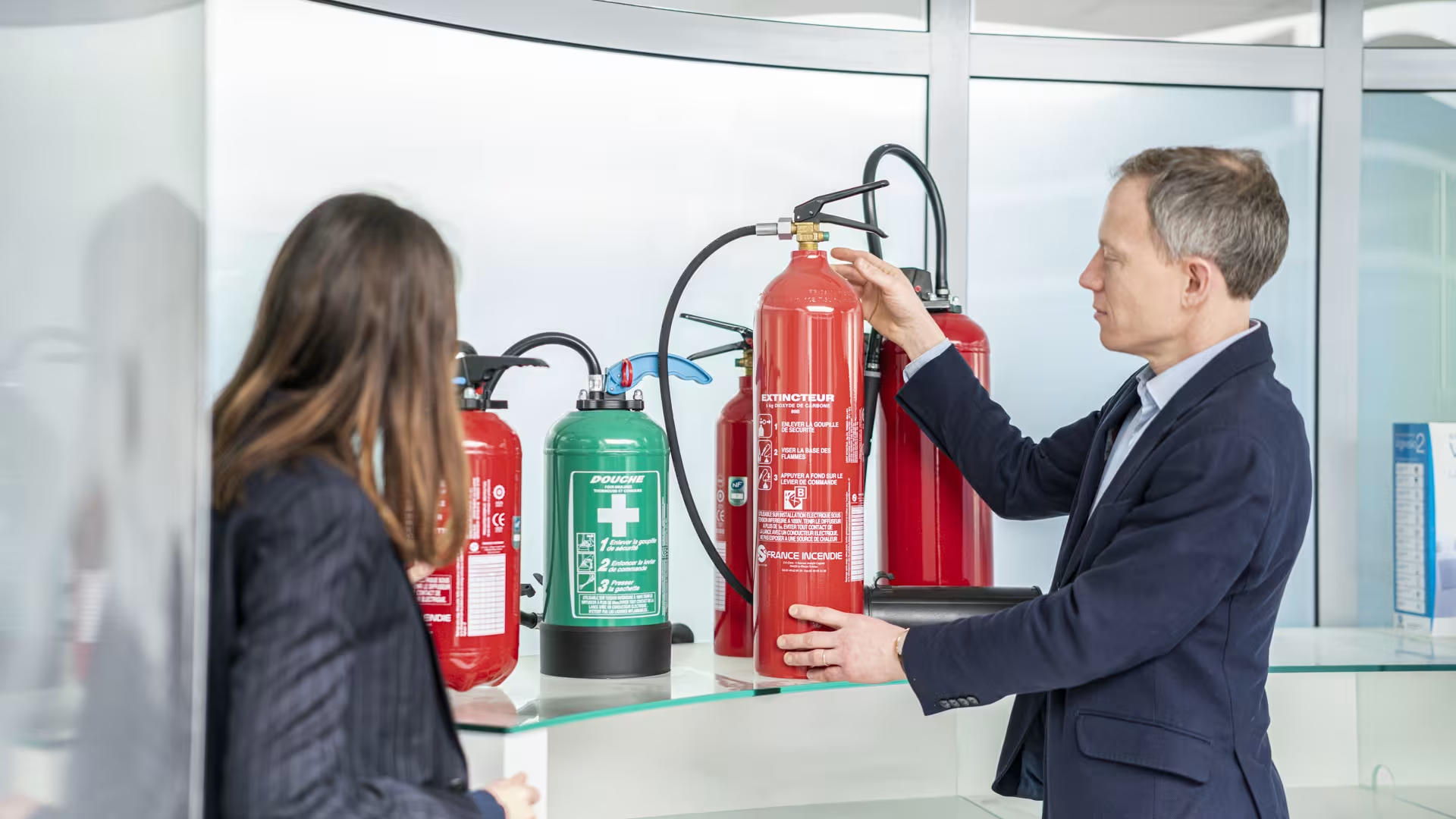
Failure to meet applicable fire and workplace safety requirements can expose employers to civil, regulatory and potentially criminal liability, depending on the circumstances and applicable federal, state and local requirements.
Beyond potential penalties, a company's reputation can also suffer lasting damage. A serious fire can undermine the trust of customers, suppliers, employees and business partners, particularly when shortcomings in fire prevention and emergency preparedness are brought to light.
The regulatory framework: what are your responsibilities?
Fire safety requirements in the United States depend on the type of workplace and the federal, state and local requirements that apply.
At the federal level, OSHA establishes workplace safety requirements covering areas such as emergency action plans, fire prevention plans, exit routes and portable fire extinguishers. OSHA requirements may be complemented by state and local fire codes and standards, including those adopted by the relevant authority having jurisdiction (AHJ).
OSHA requirements: the common foundation
OSHA's standards establish requirements for workplace fire protection and emergency preparedness.
Depending on the workplace and applicable OSHA standards, employers may need a written Emergency Action Plan (EAP) and Fire Prevention Plan (FPP). These plans address how employees should respond to emergencies and how fire hazards should be identified and controlled.
A fire prevention plan must address major fire hazards, procedures for handling and storing hazardous materials, potential ignition sources and their control, combustible waste and the maintenance of safeguards designed to prevent accidental ignition.
Three key areas underpin an effective fire safety program:
- Fire hazard assessment: identify potential fire hazards, ignition sources, combustible materials and people who may be exposed.
- The implementation of appropriate prevention and protection measures: fire alarms, extinguishers, emergency lighting, exit routes, signage and emergency procedures.
- Ongoing monitoring and documentation, including inspections, maintenance, training and emergency drills.