Submitted by Justine.Pource… on
Smart Plugs
published on 20/08/2026

The Risks of Smart Plugs

'Smart' devices are now commonplace around the world, with everything from smart speakers and doorbells to lighting systems providing unprecedented connectivity in homes and commercial premises. Smart plugs are among the most widely used of these devices, and like all technology, they come with certain risks. This article looks at the main risks associated with smart plugs, from fire hazards to cybersecurity vulnerabilities, and explains how you can mitigate them.

What Are Smart Plugs?

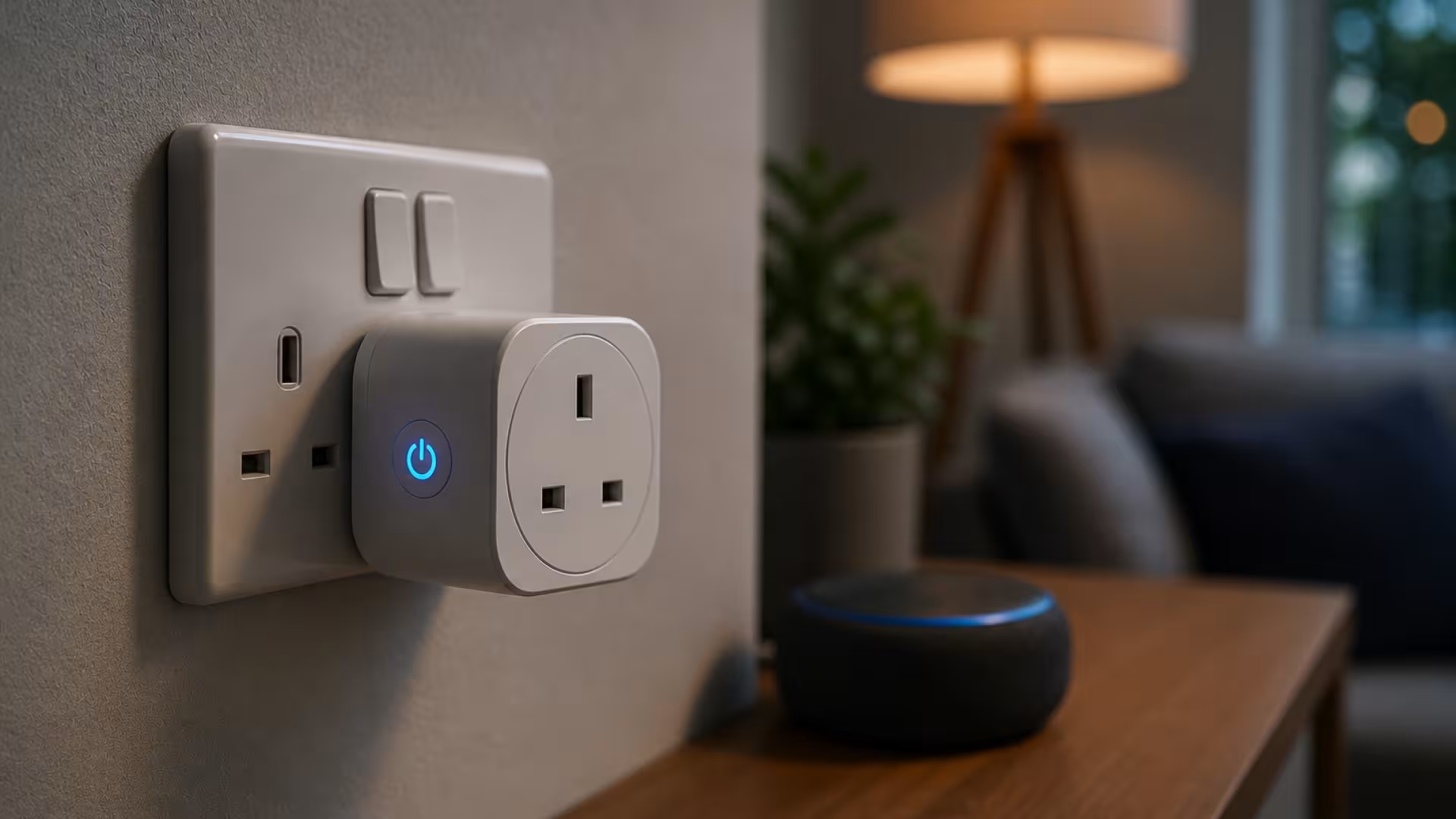
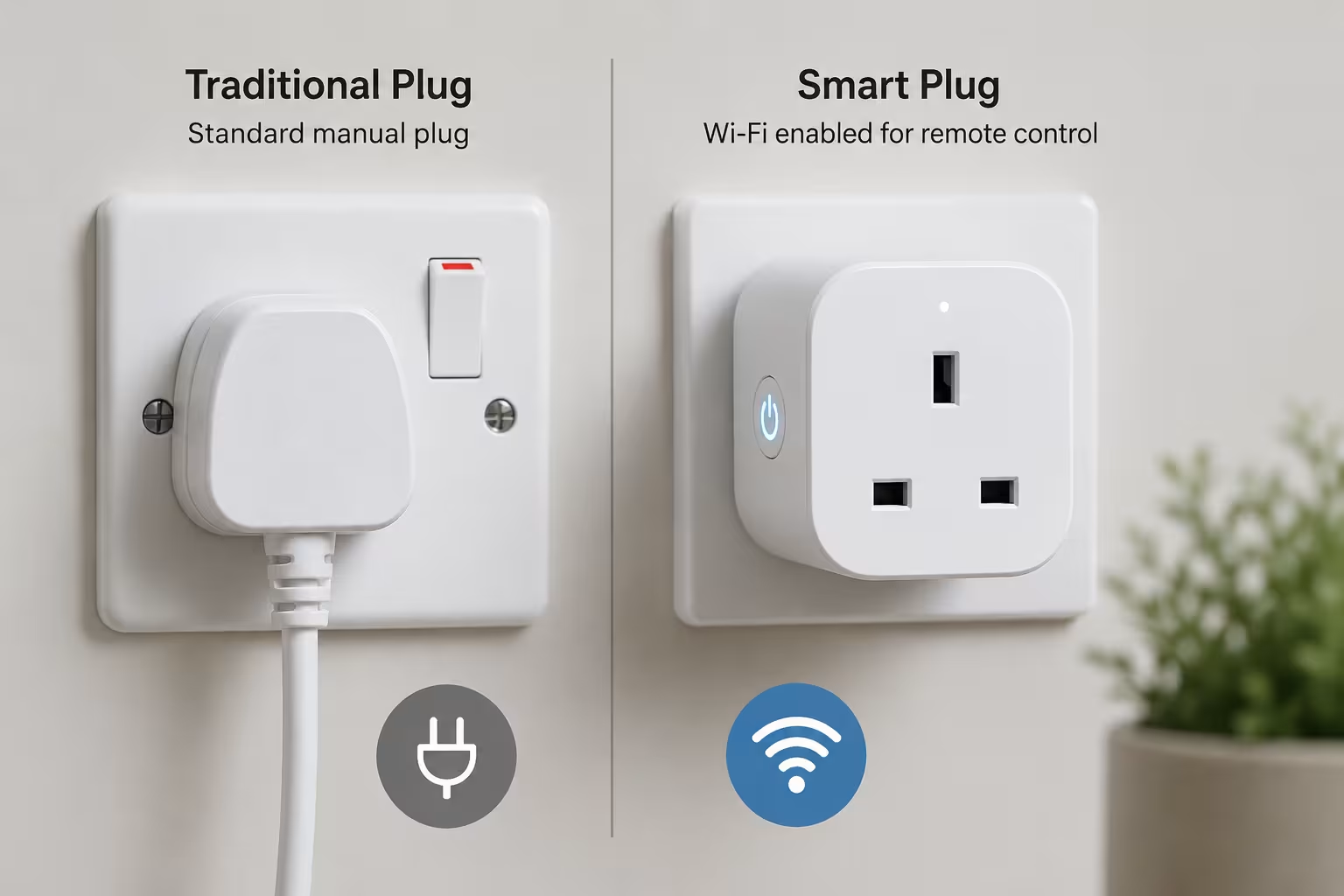
Smart plugs look very similar to standard plugs, but they allow connected devices to be controlled remotely. You can turn a smart plug, and the appliance connected to it, on or off from your smartphone or tablet. You can also schedule the plug to turn on or off at specific times. For example, your coffee maker can be ready when you wake up in the morning, or your heating system can be set to turn on before you arrive home.

Article smart plug.png

Are Smart Plugs Safe?

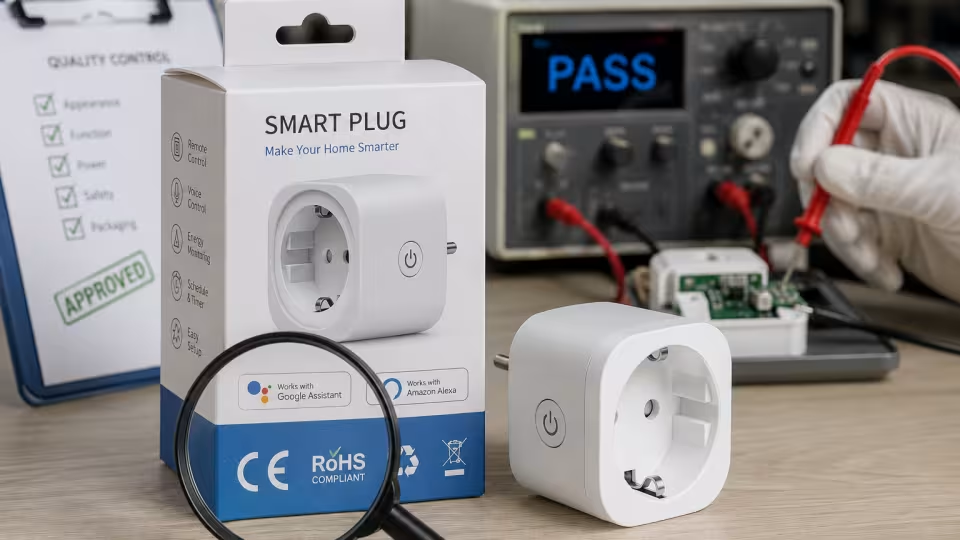
Most smart plugs are safe to use when used correctly, but there are several things to check before buying one. Does it have safety features such as surge or overheat protection? Is it made from flame-retardant material? Does the product carry a recognized safety certification, such as a UL Listing or UL Mark, where applicable? These are important questions to ask before making a purchase.

Article smart plug 2.png

In the United States, it is also important to ensure that electrical installations and equipment are safe and suitable for their intended use. Electrical products should meet applicable U.S. safety requirements and, where appropriate, be tested and certified by a recognized safety testing organization.

There is also a small risk that your smart plug could be hacked, so checking for strong encryption and security features is worthwhile. You should also take care about what you connect to your smart plug: if your Wi-Fi connection drops for any reason, it could have serious consequences for items such as a freezer, fish tank, or certain medical equipment that rely on a consistent power supply.

Are Smart Plugs a Fire Risk?

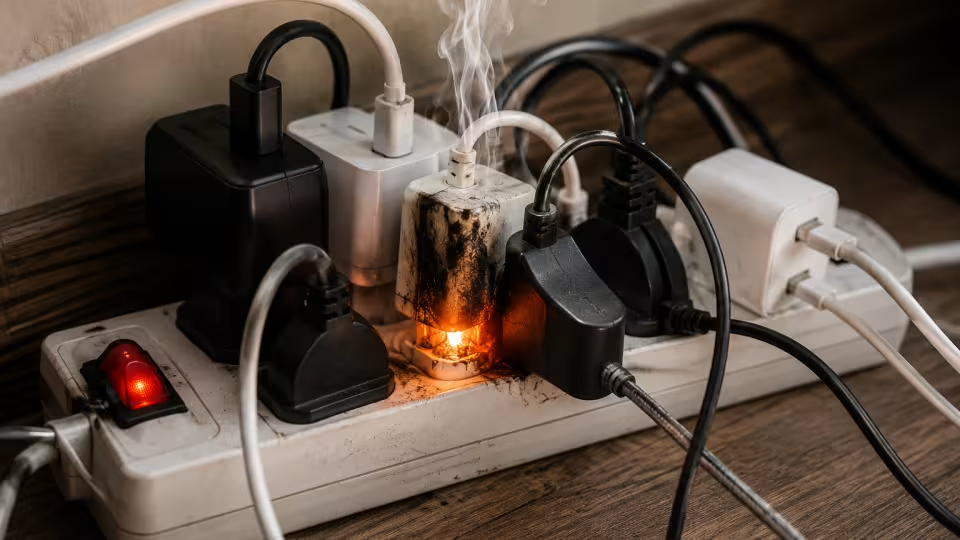
As with any other electrical plug, smart plugs are more likely to pose a fire risk if they are not used properly. Overloading an outlet by plugging in too many appliances, or connecting an appliance that exceeds the smart plug's maximum rated load, increases the risk of short circuits and electrical discharges, either of which could cause a fire in the worst-case scenario.

Article smart plug 3.png

The safety features mentioned above, including surge protection, overheat protection, flame-retardant materials, and recognized safety certifications, are designed to reduce the risks associated with using these devices. Avoid buying very cheap smart plugs online or from suppliers whose reliability is uncertain, as these products may be less likely to meet applicable safety requirements.

What Are the Risks?

No plug is completely risk-free, but some models may present a greater risk than others. A notable example involved a Hiction smart plug available from Amazon, which was found to be particularly vulnerable. The plug contained two USB ports, and the live connection was found to be "too close to an energy monitoring chip." This increased the possibility of an electrical discharge, which could have caused a fire. The plug was subsequently removed from sale by Amazon pending an investigation.

With this in mind, it is important to make sure you are buying a smart plug from a reputable source. Look for recognized safety certifications, such as a UL Mark, where applicable, and choose products from established manufacturers and reputable retailers.

How to Minimize the Risks of Smart Plugs

There are three key steps to minimizing the risks associated with smart plugs:

1 Make sure the plug has an appropriate safety certification

Look for recognized safety certifications, such as the UL Mark, when applicable, and check the manufacturer's information to confirm that the product meets the relevant U.S. safety requirements. You should also read the manufacturer's instructions and safety information before using the product.

2 Keep the software updated

Manufacturers regularly release firmware updates to address security vulnerabilities. Keeping your smart plug's software up to date reduces the risk of both hacking and malfunction.

3 Do not overload outlets

Never plug in more appliances than the outlet or electrical circuit is designed to handle, and always check that the appliance's power requirements do not exceed the smart plug's maximum rated load. If you have any doubts about the safety of an electrical installation, consult a qualified electrician and make sure the installation complies with applicable local electrical requirements.

What Cybersecurity Risks Are Associated with Smart Plugs?

Smart plugs can be vulnerable to hacking, which could theoretically allow unauthorized individuals to gain access to smart appliances in your home or business. While your smart plugs might only be used for a TV or coffee maker, the consequences could be more serious if a hacker gains access to your Wi-Fi network and then interferes with electric gates, garage doors, or security systems, for example.

Certain plugs from TP-Link, Meross, Innr, and Ajax have been found to be particularly vulnerable to hackers. Once an attacker gained access to the plug, they could shut off power while also remaining connected to the home's wireless network without being detected. The manufacturers concerned have released, or indicated that they would release, fixes for these issues.

As smart plugs and other connected devices become more popular, the requirements and standards surrounding them are becoming increasingly stringent. This means that the vulnerabilities mentioned above should become less common in future generations of smart plugs. Choosing plugs from established, reputable manufacturers and keeping firmware up to date remains one of the best ways to protect against these risks.
Smart Plug Alternatives

There is currently no other solution on the market that offers exactly the same functionality as a smart plug for non-smart devices. However, you can use standard outlets for certain smart devices you own. If, for example, your smart TV remains plugged in and the outlet is switched on, you can still turn your TV on or off using your smartphone or tablet.

Overall, smart plugs are very safe and offer a high level of connectivity, functionality, and convenience in our homes and workplaces. If you use them properly, never overload outlets, and install software updates when prompted, you can significantly reduce the risks of both fire and unauthorized access.

Key Takeaways

The key takeaways are:

1 Smart plugs can make our lives easier but can also be dangerous if used incorrectly
2 Only buy smart plugs from reputable suppliers and look for recognized safety certifications, such as the UL Mark where applicable
3 Never overload outlets when running multiple appliances
4 Keep your smart plug software updated at all times to reduce hacking vulnerabilities
5 Be aware of cybersecurity risks, particularly if your smart plug is connected to the same Wi-Fi network as other devices

Protect Your Premises

Don't wait for an incident to take action. Contact Scutum today to arrange a fire risk assessment or fire safety review, and make sure your facility is protected against all fire risks, including those associated with electrical equipment.