What is the average lifespan of a fire extinguisher?
The average lifespan of an extinguisher varies according to its category:
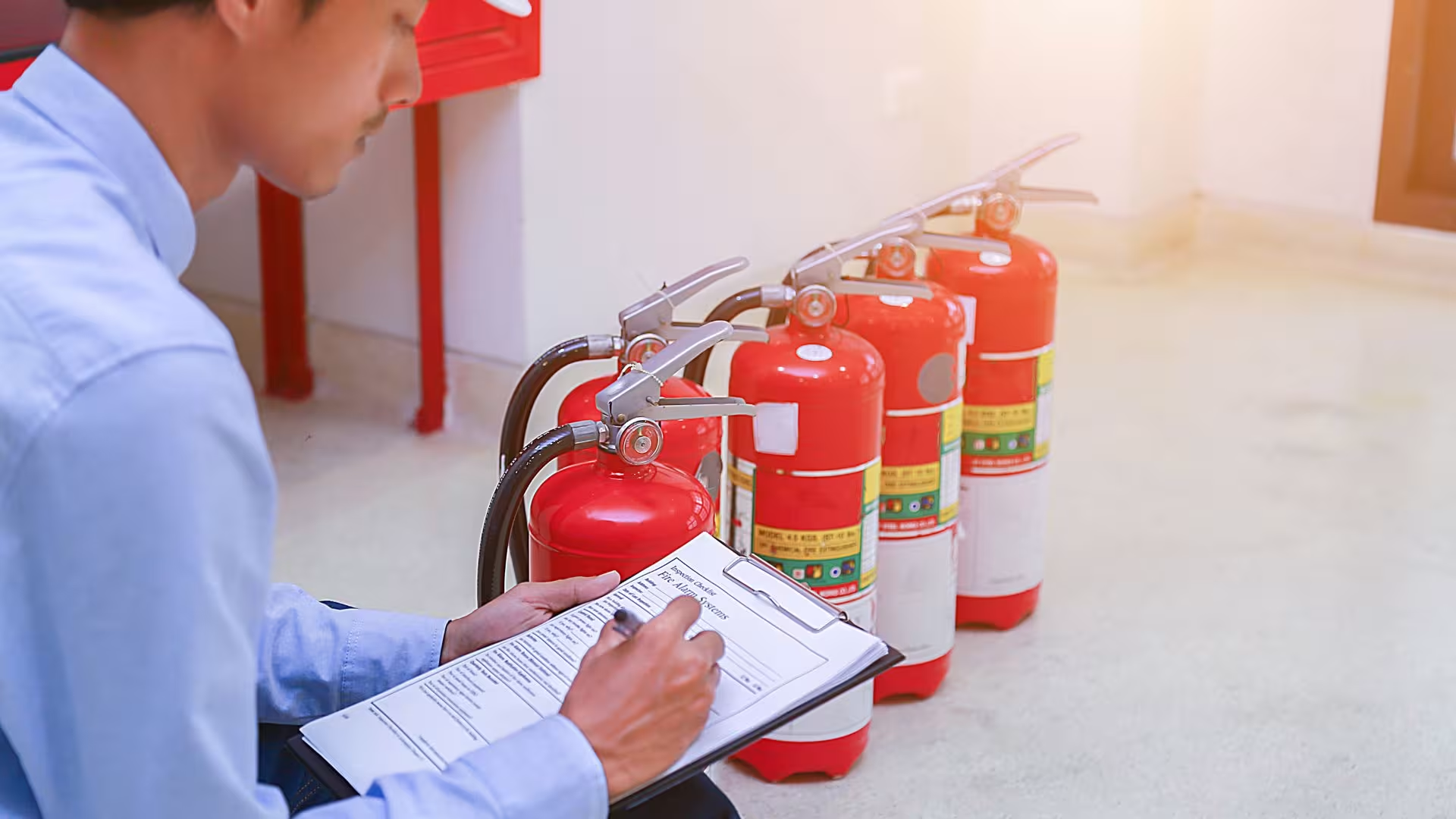
There's no need to remind you that the safety of your premises in the event of fire depends on rigorous maintenance of your fire extinguishers. This equipment must be operational and comply with standards to avoid unpleasant surprises in the event of an incident. In this guide, you'll find everything you need to know about the maintenance of extinguishers and their lifespan.
The average lifespan of an extinguisher varies according to its category:
Water fire extinguishers have an average lifespan of 10 years. However, it should be serviced every year to check its condition and should be recharged every 5 years.
The powder extinguisher has an average lifespan of 20 years, which is the longest lifespan compared with other extinguishers. However, it is still important to service this extinguisher annually and recharge it every 5 or 10 years, depending on the model.
CO2 extinguishers, on the other hand, have a lifespan of 10 years and must be inspected every year with a refill every 10 years.
Foam extinguishers have an average lifespan of 15 years and should be checked every year. Recharging should be done every 5 or 10 years like the powder extinguisher.
Beware, the lifespans mentioned are for guidance only, they may vary depending on the model and also the environment in which it is found. It is therefore important to check with the manufacturer.
According to nfs 61-919 extinguisher maintenance rules, the regulatory periodicity for ensuring that an extinguisher is in good condition is mandatory. It is necessary to follow the checking advice to the letter to minimise risks and be compliant in the event of a problem:
Every year, you should call in a fire extinguisher maintenance company to ensure that your safety equipment is in good condition.
Every five years, a thorough inspection is required, often including internal checks and a recharge of the extinguisher.
Every 10 years, extinguishers must undergo specific tests to assess their performance and replace the extinguishing agents if necessary.
We advise you to sign an extinguisher maintenance contract with a company that specialises in this field. This will allow you to delegate the management of your safety equipment to this company without the need to anticipate deadlines and interventions.
Maintenance of fire extinguishers is compulsory because its purpose is to guarantee:
Compliance with nfs 61-919 standards rules for the maintenance of fire extinguishers: If this nfs 61-919 standard is not complied with, you could suffer an increase in the cost of your insurance, penalties or worse, a temporary or permanent halt to your business.
The safety of people and your business: improperly maintaining an extinguisher, endangers the lives of people and can have a considerable impact on the future of your business in the event of a fire (loss of stocks, premises, financial problems).
The maintenance of an extinguisher is carried out in several stages:
Visual inspection:A check is made of the general condition of the extinguisher as well as its accessibility.
Technical assessment:The checking agent ensures that the extinguisher shows no signs of leakage and checks the pressure of the extinguisher.
Recharging by the agent: Depending on the maintenance cycle, the agent may have to recharge the extinguisher.
Adding a maintenance label to the extinguisher: This label is proof of the equipment's compliance. It also indicates the actions carried out on it.
It is highly advisable to contact a maintenance company to guarantee the safety of people and your premises. In addition, calling in an extinguisher maintenance company offers several advantages: