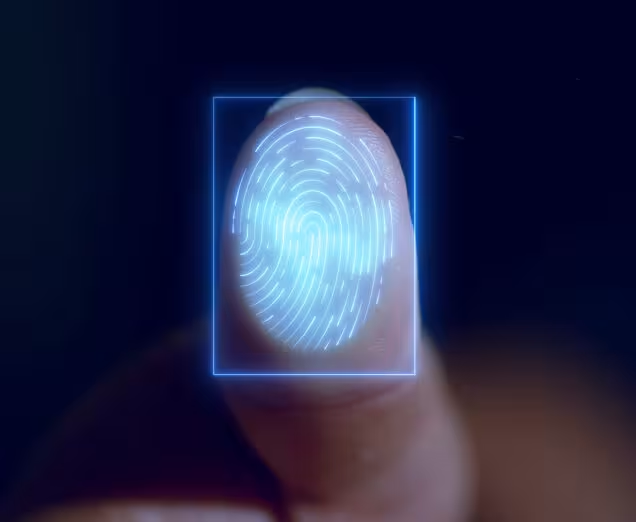
Biometric access control offers an additional level of identity assurance by linking access credentials to an individual's physical characteristics.
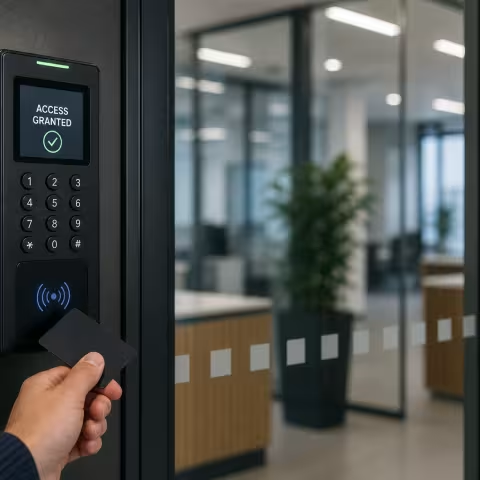
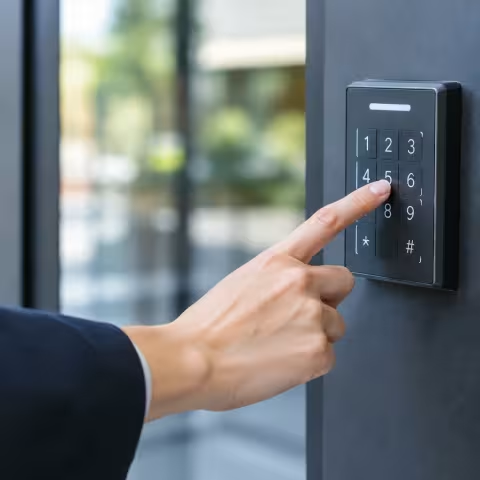
Unlike cards or PIN codes, biometric credentials cannot simply be lent or shared with another person. Users also benefit from not having to carry a physical card or remember an access code.
When appropriately implemented, biometric systems can strengthen access security and improve the reliability of access records, making them particularly useful for areas requiring enhanced identity verification.
Biometric systems require careful consideration of privacy, data protection and user acceptance.
Under the UK General Data Protection Regulation (UK GDPR), biometric data processed for the purpose of uniquely identifying an individual is classified as special category personal data. Organisations must establish an appropriate lawful basis and an additional condition for processing this information, alongside implementing suitable security safeguards.
The necessity and proportionality of biometric access control must also be considered, particularly in workplaces where employees may have concerns about how their personal data is collected, stored and used.
Biometric systems are not infallible. Recognition accuracy can be affected by environmental conditions, equipment performance and individual characteristics, while appropriate measures are needed to protect against spoofing and unauthorised access.