Submitted by editor on
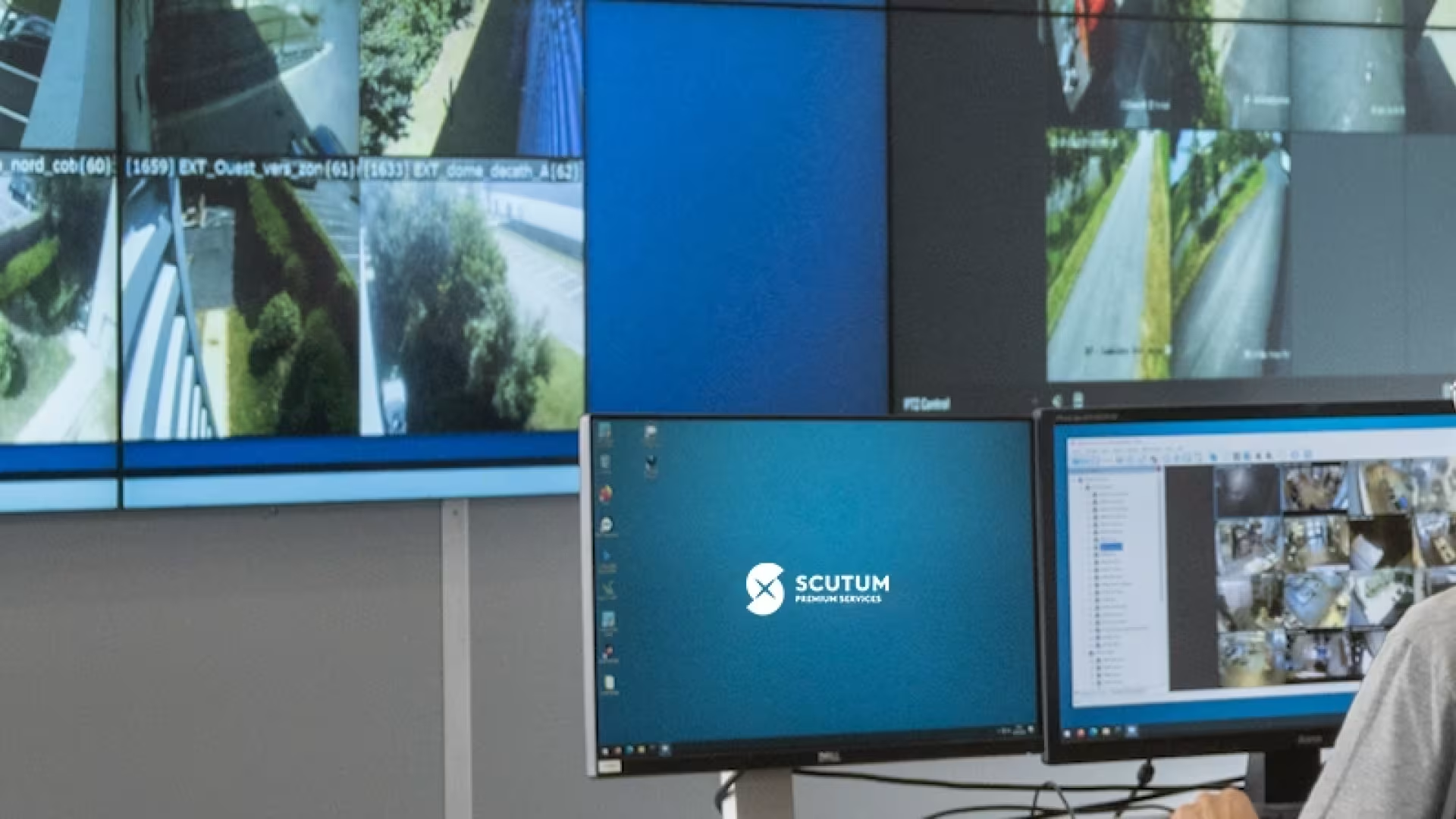
Centre de télésurveillance certifié APSAD P5 de Scutum Premium Services
published on 05/01/2026

Lone Workers Systems

Providing in-house protection for employees working in isolated situations requires clear procedures, proper training, and full compliance with legal obligations. If these measures are not properly implemented, organisations can face significant legal and financial consequences.

Case law has shown that employers can be penalised where working conditions, such as on-call duties or lone working arrangements are not clearly defined, properly managed, or fairly compensated. This highlights the importance of having structured, compliant systems in place to protect both employees and the organisation.

Lone Worker Protection Systems

Identifying the Risks of Lone Working

Lone working is not limited to traditionally high-risk occupations. It can occur across a wide range of industries and working environments, often as part of everyday activities.

In the UK, lone workers are generally defined as people who work by themselves without close or direct supervision. This may include employees working alone on business premises, visiting customers, travelling between sites or working in remote locations.

The risks associated with lone working vary depending on the environment, the tasks being undertaken and the availability of assistance in an emergency.


Effective 24/7 Monitoring


Effective round-the-clock monitoring requires clearly defined responsibilities and reliable procedures for responding to alerts.

Where monitoring is managed internally, trained personnel must be available throughout the agreed monitoring period to receive alerts, assess incidents and arrange appropriate assistance.

Clear escalation procedures should establish how different types of alerts are handled, who should be contacted and when emergency services may need to be involved.

Organisations should also consider whether they have the resources and expertise to maintain these arrangements consistently, or whether a professionally monitored lone worker service would be more appropriate.

Ensuring Data Protection Compliance

Lone worker monitoring systems must handle personal data in accordance with the UK GDPR and Data Protection Act 2018. Alert records and any associated personal information should be stored securely, accessed only by authorised personnel and retained for no longer than necessary.