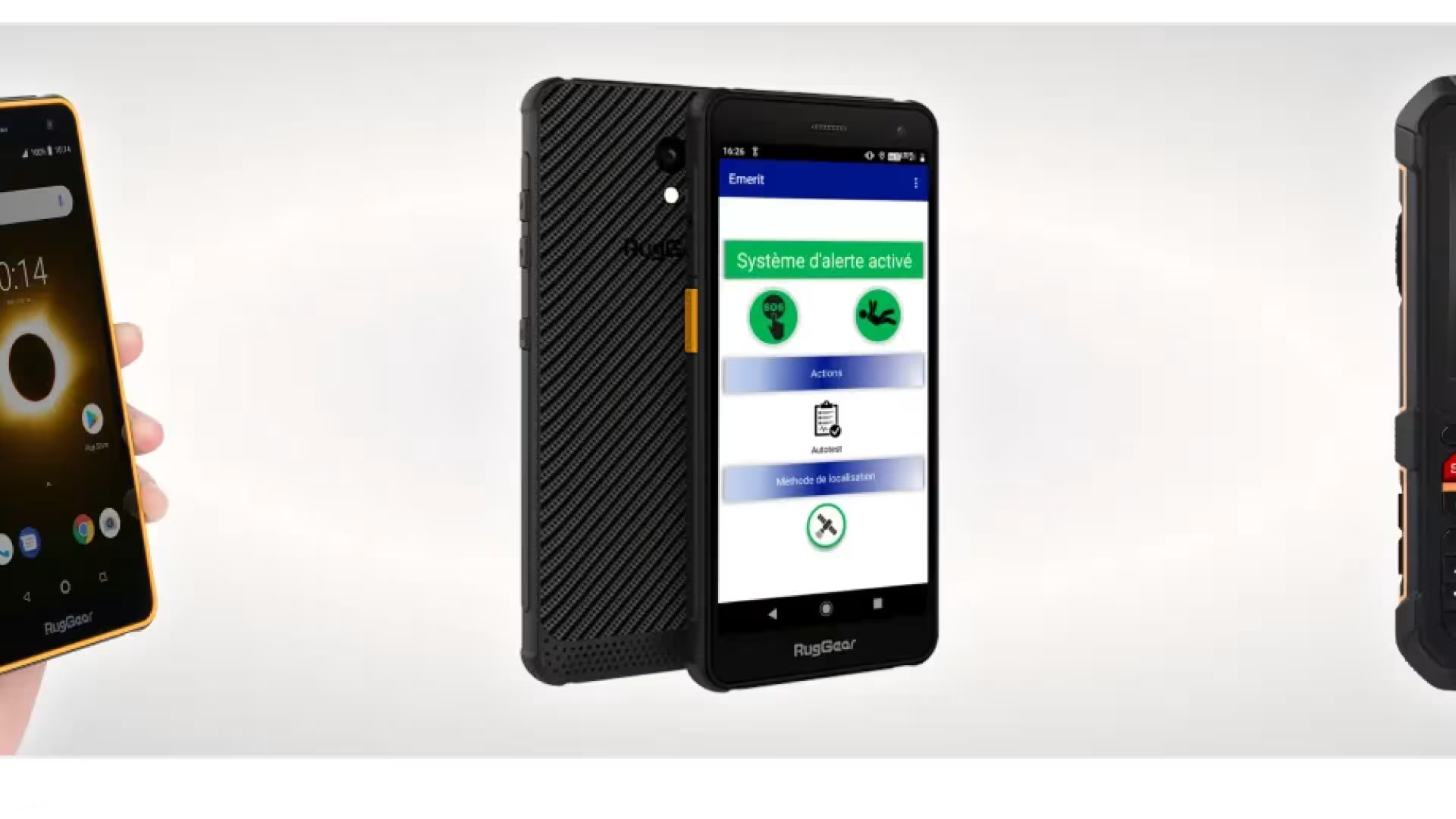
Choosing the right lone worker safety phone involves more than comparing devices and features. Employers need to consider the risks employees face, their working environment and how alerts will be managed in an emergency.
1. Assess Your Lone Working Risks
Before selecting a device, it is important to understand how and where employees work alone. A lone worker risk assessment should help answer several key questions:
- Is lone working occasional, regular or a permanent part of the role?
- Do employees work indoors, outdoors or across multiple locations?
- Are there areas with limited or no mobile network coverage?
- What are the main risks, such as falls, violence or aggression, medical emergencies or accidents involving machinery?
- Does the working environment require ATEX-certified equipment?
- Is mobile network coverage reliable throughout the working area?
- Is 24/7 professional alarm monitoring required, or can designated internal contacts provide an appropriate response?
The most suitable device will depend on the nature and level of risk identified through this assessment.
2. Choose the Right Type of Lone Worker Device
There are three main types of lone worker safety solutions, each suited to different working environments and operational requirements.
Dedicated Lone Worker Safety Devices
Purpose-built lone worker devices are particularly suited to higher-risk environments, including manufacturing, construction, engineering and industrial maintenance.
Their robust design, dedicated emergency functions and battery performance make them a practical choice for demanding conditions involving dust, moisture or potential impacts. Where employees work in potentially explosive atmospheres, appropriately ATEX-certified devices may be required.
Smartphones with Integrated Lone Worker Safety Applications
Smartphones with built-in lone worker protection offer a combination of everyday communication features and dedicated safety functionality.
These devices can be particularly suitable for mobile engineers, maintenance teams, on-call employees and other workers who need reliable lone worker protection alongside the functionality of a conventional smartphone.
Where safety applications are integrated into the device's operating system or firmware, additional controls may help prevent accidental deactivation and support consistent operation.
Lone Worker Applications on Personal Smartphones
Downloadable lone worker safety applications can offer a cost-effective solution where the risks and working conditions make them appropriate.
However, employers should consider factors such as device compatibility, battery life, operating system updates, application permissions and the potential for users to disable safety functions.
Clear procedures for testing, training and device management are particularly important when employees use their own smartphones.
The priority should always be selecting a solution that provides an appropriate level of protection for the risks identified, rather than choosing on price alone.
3. Test Devices in Real Working Conditions
A lone worker safety phone should be tested in the environments where employees will actually use it.
Testing should cover:
- Network coverage: Can the device maintain a reliable connection throughout the working area?
- Location tracking: Can the worker's location be identified accurately, including indoors where supported?
- Battery life: Will the device remain operational throughout a full working shift?
- Alarm functionality: Are manual and automatic alerts triggered and transmitted correctly?
- Ease of use: Can employees operate the device comfortably while wearing personal protective equipment (PPE)?
Testing in real working conditions can help identify potential limitations before a solution is introduced across the organisation.
4. Choose the Right Alarm Monitoring Service
The effectiveness of a lone worker safety system depends not only on the device but also on what happens when an alert is raised.
A 24/7 alarm receiving centre (ARC) can provide professional monitoring and a coordinated response, particularly for employees working alone regularly, outside normal business hours or in higher-risk environments.
Alternatively, alerts may be directed to designated internal contacts where suitable arrangements are in place.
For internal monitoring to be effective, employers must ensure that nominated contacts are available, understand the emergency procedures and can arrange assistance promptly.
The appropriate approach should be determined by the lone working risk assessment and the organisation's ability to respond effectively.
5. Consider the Total Cost of Ownership
The initial purchase price is only one factor when comparing lone worker safety solutions.
Employers should also consider ongoing costs, including:
- SIM cards and mobile connectivity
- Alarm monitoring subscriptions
- Equipment maintenance and testing
- Technical support
- Employee training
- Device replacement and upgrades
These costs will vary depending on the type of device, number of employees and level of monitoring required.
Requesting a tailored quotation based on your organisation's requirements can provide a more accurate picture of the overall investment.
A lower-cost device may not always offer the best long-term value, particularly if it lacks reliable technical support, maintenance arrangements or the functionality needed for the working environment.
6. Choose an Experienced Lone Worker Protection Provider
Selecting the right supplier is just as important as choosing the equipment itself.
An experienced lone worker protection provider should be able to recommend suitable devices, explain the available monitoring options and support the implementation of an effective system.
When comparing suppliers, consider:
- How much experience do they have in lone worker protection?
- Have they worked with organisations in your industry?
- What technical support and maintenance services are available?
- Can they help identify suitable solutions based on your workplace risks?
- Do they provide employee training and ongoing support?
Ideally, your provider should offer support with device selection, system configuration, employee training, maintenance and ongoing technical assistance.
A site assessment can also help identify practical challenges, such as poor network coverage or working conditions that may affect device performance.
Protect Your Lone Workers with Scutum
Scutum supports organisations in selecting and implementing lone worker protection solutions suited to their operational requirements and working environments.
From dedicated lone worker devices to smartphone-based safety solutions and professional alarm monitoring, our team can help you identify the most appropriate approach for your employees.
Contact our team to discuss your lone worker protection requirements and request a tailored quotation.