Submitted by Justine.Pource… on
Boîtier rouge alarme.png
published on 28/08/2026

Fire Detection: Choosing Between an Automatic and Manual System for Your Business

Written by Guillaume Brizot

Fire risk is a major threat to business continuity. Loss of life, property damage and business interruption: the consequences of an uncontrolled fire can be irreversible. To protect against these risks, fire detection is the first step and the foundation on which all subsequent measures depend.

There are two main approaches to fire detection: manual detection, which relies on human vigilance, and automatic detection, which uses sensors. Which one should you choose for your business? This article takes you through both systems step by step, compares them objectively and helps you identify the solution best suited to the safety of your premises.

Manual Fire Alarm Systems: Raising the Alarm

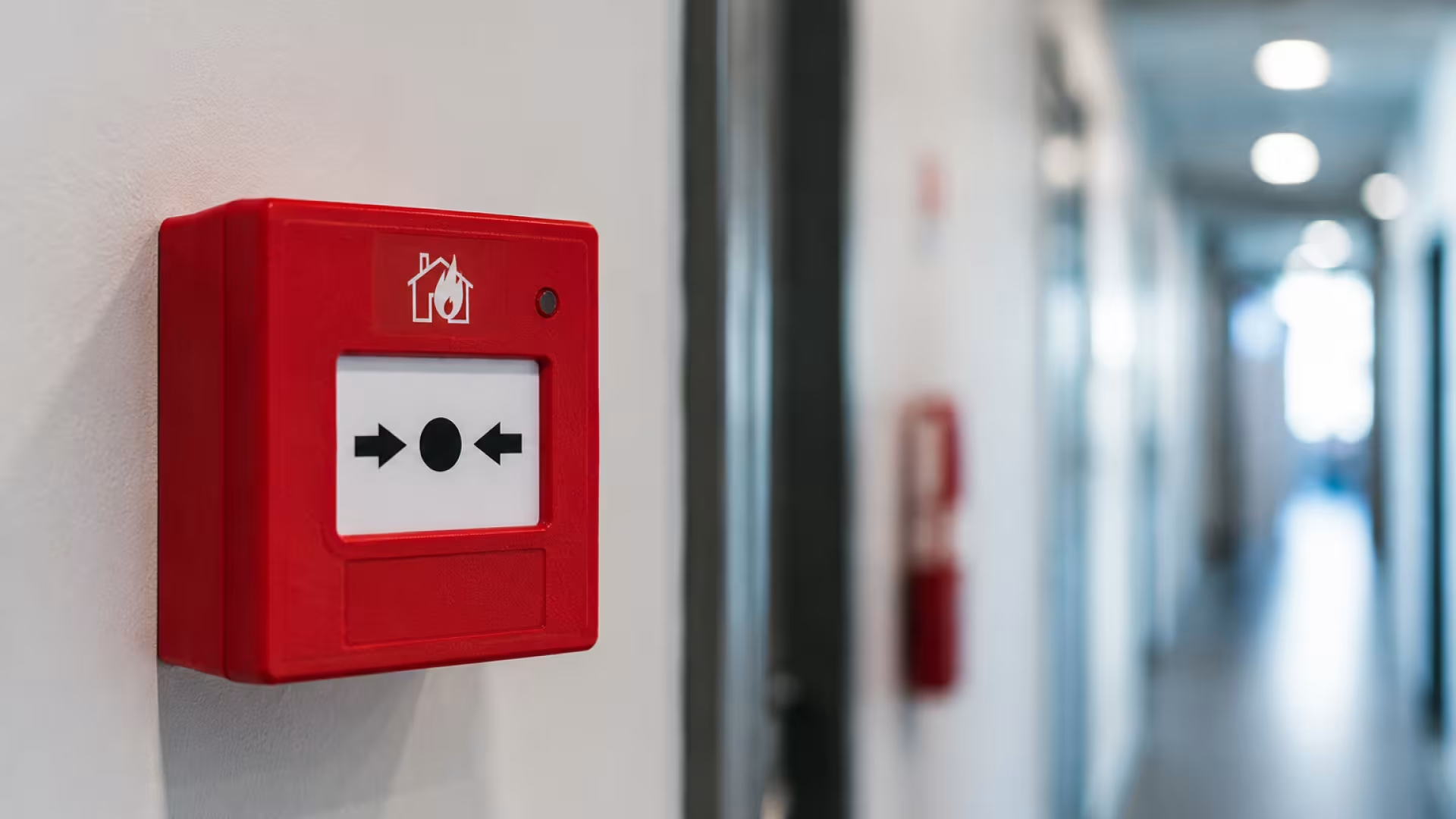
Manual fire alarm systems rely on someone identifying a fire and activating the alarm using a manual call point.

These systems typically incorporate manual call points, usually positioned along escape routes and near exits, together with audible warning devices to alert building occupants.

Depending on the system design, a fire alarm control panel may also indicate which call point has been activated, helping staff or emergency responders identify the location of the alarm.

Unlike automatic fire detection, manual activation depends on someone recognising the signs of a fire and taking action.
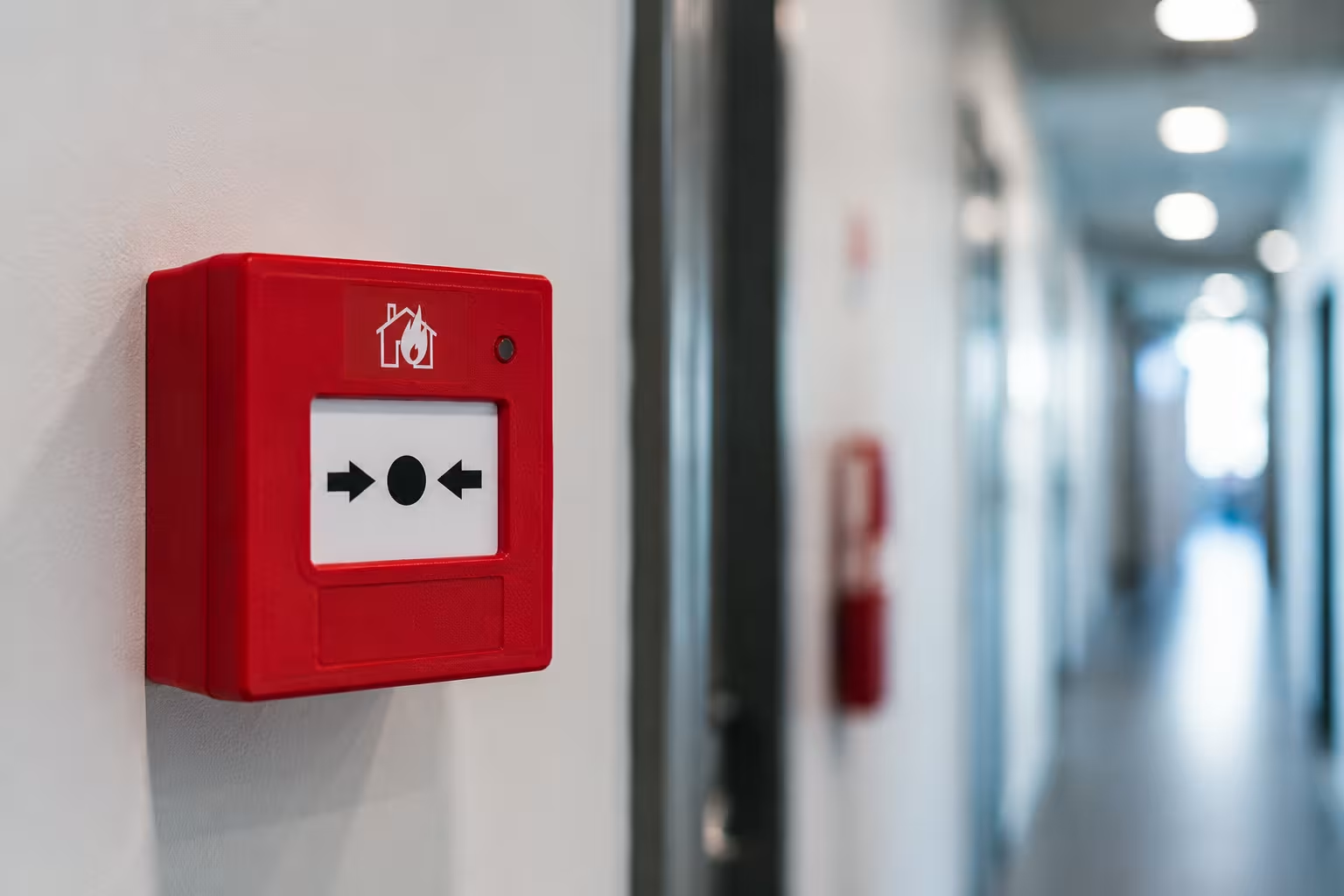

Boîtier rouge alarme.png

Advantages & disadvantages

Manual fire alarm activation offers several benefits, although its suitability depends on the nature of the premises and the findings of the fire risk assessment.

Icône monnaie

Lower Installation Costs

Manual fire alarm systems can be relatively straightforward to install, with fewer components than systems incorporating automatic fire detection. This may help reduce installation costs, depending on the premises and system requirements.

Wrench

Simple, Reliable Technology

Manual fire alarm systems typically use fewer components than systems incorporating automatic detection, making them relatively straightforward to operate and maintain.

Shield-Check

Reduced Risk of Environment-Related False Alarms

Unlike automatic smoke detectors, manual call points are not triggered by environmental factors such as dust or steam. However, unwanted alarms can still occur through accidental or malicious activation.

However, manual fire alarm activation has an important limitation: it is reliant on someone being present to identify a fire and raise the alarm.

This can delay detection and warning, particularly in unoccupied premises or outside normal working hours. Manual call points also identify where the alarm was activated, rather than the precise location where the fire started.

For this reason, manual activation alone may not provide sufficient protection, depending on the premises and the findings of the fire risk assessment.

Pictogramme d'ampoule noir

Good to know

A manual system can often provide the basic level of protection required in smaller premises or offices with no particular fire risk, depending on the applicable requirements. It is therefore not an outdated solution, but rather a system suited to certain specific situations.

Pictogramme utilisateur

Jean-Charles, Technical Manager, Scutum Fire

“What we see far too often in the field is a fire being spotted by a passer-by or reported late through a conventional alarm, when an automatic system would have detected it hours earlier. On a site that is empty at night or over the weekend, no one smells smoke or sees a warning light flashing: manual detection relies entirely on human presence, which is precisely its weakness outside opening hours.”

Manual fire alarm activation can be appropriate in certain circumstances, depending on the premises and the findings of the fire risk assessment. However, where earlier warning is required or areas may be unoccupied, automatic fire detection can provide an important additional level of protection.

Automatic Fire Detection: Early Warning Without Human Intervention

An automatic fire detection system uses detectors to identify signs of fire without relying on someone being present to raise the alarm.

A typical system includes smoke, heat or flame detectors, selected according to the environment and level of risk, together with a fire alarm control panel and audible and/or visual warning devices to alert building occupants.

Depending on the system configuration, alarms may also be transmitted to an Alarm Receiving Centre (ARC), where operators can follow agreed procedures for notifying designated contacts or requesting an appropriate response.

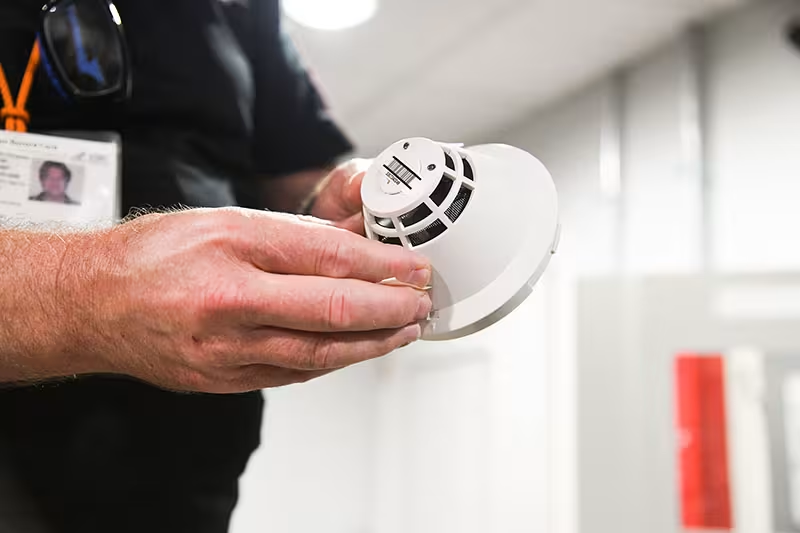
Scutum fire alarm inspection 1

Advantages & Disadvantages

Automatic fire detection offers several important benefits, particularly where early warning is essential or areas may be unoccupied for extended periods.

1 Early and Continuous Detection

Automatic fire detection systems can monitor premises around the clock, identifying signs of fire even when no staff are present, provided the system is operational and appropriately maintained.

2 Rapid Fire Alerts

Automatic fire detection systems can trigger an alarm promptly when signs of fire are detected, allowing occupants to take appropriate action.

3 Precise Fire Location Identification

Depending on the system design, automatic fire detection can identify the detector or zone where an alarm has been activated, helping staff and emergency responders locate the affected area more quickly.

4 Automated Fire Safety Responses

Where appropriately configured, automatic fire alarm systems can trigger additional safety measures, such as releasing fire doors held open by electromagnetic devices or activating compatible fire suppression systems.

Automatic fire detection systems can involve higher installation and maintenance costs due to their additional components and technical requirements.

Unwanted alarms may also occur due to environmental factors such as dust, steam or insects, although appropriate detector selection, system design and regular maintenance can help minimise this risk.

Professional expertise is essential to ensure the system is designed, installed and maintained appropriately for the premises.

Pictogramme d'ampoule noir

Key Consideration

Automatic fire detection is particularly valuable in areas that may be unoccupied for extended periods, such as storage facilities and server rooms. Unlike manual call points, automatic detectors can identify signs of fire without human intervention, providing an additional level of protection where early warning is important.

Pictogramme utilisateur

Guillaume, Sales Director, Scutum Fire

“For one of our industrial customers, switching to automatic detection enabled us to identify an electrical overheating incident at 3 a.m. on a Saturday, well before the site was due to reopen on Monday. Without this system, the fire would have had the entire weekend to spread. It is this kind of real-world feedback that convinces our customers: the investment pays for itself from the first incident prevented.”

Manual vs Automatic Fire Alarm Systems: A Comparison

Manual and automatic fire alarm systems offer different capabilities and are often used together as part of a comprehensive fire safety strategy.

The table below compares their key features, benefits and limitations to help businesses understand which arrangements may be appropriate for their premises.

Criterion Manual Detection Automatic Detection
Detection speed Slow: depends on a person's reaction time (noticing the fire + activating the manual call point) Fast: the alert is triggered almost immediately as soon as the sensor detects smoke or heat
24/7 reliability Low: ineffective when no staff are present (at night, during holidays, at weekends) High: continuous and autonomous monitoring
Dependence on human factors Total: relies on a person's presence, vigilance and training Minimal: human intervention is limited to checking the alarm and evacuating the premises
Installation cost Low: simple equipment and relatively straightforward wiring Medium to high: advanced components and installation by a specialist
Maintenance cost Low: functional testing of manual call points and the alarm sounder Medium: mandatory annual inspection of all detection points
False alarm management Low risk: the alarm requires deliberate human action Moderate risk: potentially sensitive to dust or vapour if the system is not properly maintained
Regulatory compliance Basic: meets the minimum legal requirements for certain small public buildings Advanced: mandatory for many public buildings, industrial sites and often required by insurers
Ideal for… Small, low-risk premises that are permanently occupied Premises that are unoccupied for part of the time, storage areas and high-risk sites
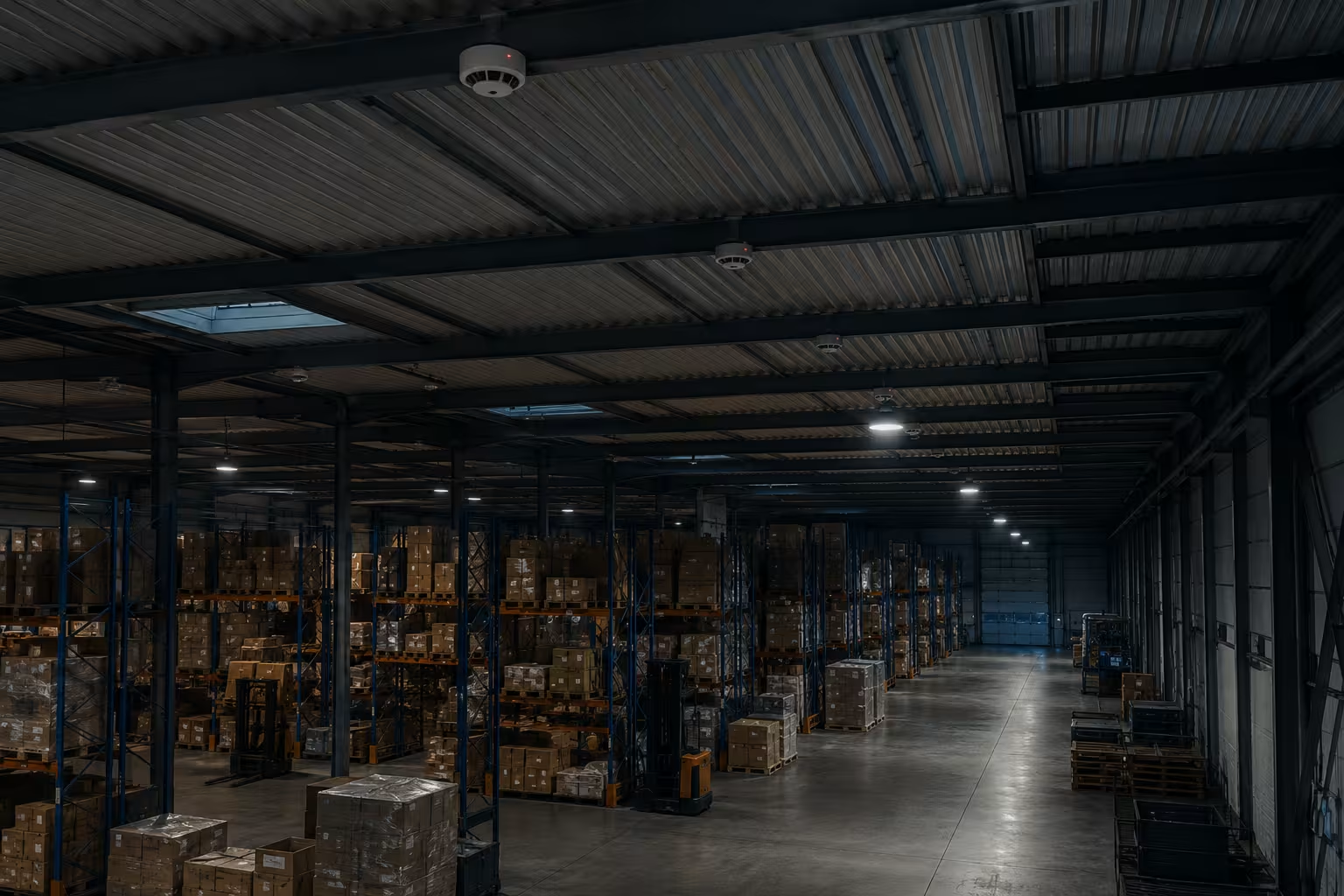
Entrepôt sécurité incendie.png

The most appropriate fire alarm system will depend on your premises, operational requirements and the findings of your fire risk assessment.

Four key factors should be considered when determining the level and type of fire detection required.

1 The Nature of Your Business and Associated Fire Risks

Different premises, including offices, warehouses, manufacturing facilities and retail environments, present different fire risks. Factors such as the presence of combustible materials, ignition sources and potentially hazardous processes should be considered when determining the appropriate level of automatic fire detection.

2 Premise Layout

Factors such as building size, number of storeys and the presence of isolated or infrequently occupied areas can influence fire detection requirements. In larger or more complex buildings, relying solely on manual fire alarm activation may not provide adequate warning, making automatic detection an important consideration.

3 Building Occupancy & Working Hours

Working hours, occupancy patterns and the availability of trained staff are important considerations when selecting a fire alarm system. Where premises are unoccupied overnight, at weekends or for extended periods, manual call points alone cannot provide warning of a developing fire. Automatic detection may therefore be necessary, depending on the findings of the fire risk assessment.

4 Legal & Insurance Requirements

Fire safety legislation, the findings of your fire risk assessment and any specific insurance conditions may influence the level of fire detection required. In England and Wales, the Regulatory Reform (Fire Safety) Order 2005 requires appropriate fire safety measures to be in place. Depending on the risks identified, these may include automatic fire detection. Separate legislation applies in Scotland and Northern Ireland.

Pictogramme d'ampoule noir

Key Consideration

Key Consideration

Woodworking workshops can present significant fire risks due to combustible materials, wood dust and machinery. Depending on the environment and findings of the fire risk assessment, automatic fire detection may provide valuable early warning.

Specialist solutions, including aspirating smoke detection, may be appropriate in certain areas, provided they are designed to account for dust and other environmental conditions.

Pictogramme utilisateur

Pierre, Risk Engineer, Scutum Fire

“My advice is always the same: never choose a detection technology before carrying out an assessment of the site's risk areas — occupancy hours, presence of flammable materials and the criticality of equipment. A thorough risk assessment carried out beforehand prevents some areas from being over-equipped while the most sensitive areas are under-protected. The risk assessment should determine the technical choice, never the other way around.”

Having considered these four factors, it's important to understand how manual and automatic fire detection can work together to provide appropriate protection for your premises.

Combining Manual and Automatic Fire Detection

Manual and automatic fire detection are not mutually exclusive. In fact, many commercial fire alarm systems incorporate both automatic detectors and manual call points to provide comprehensive protection.

Automatic detectors can identify signs of fire without human intervention, while manual call points allow occupants to raise the alarm when they discover a fire.

Together, these components provide complementary methods of raising the alarm, helping to ensure that appropriate warning arrangements are in place based on the building's fire risk assessment.

Do Not Overlook Installation and Maintenance

Choosing the right type of system is not enough. The quality of the installation and the regularity of maintenance directly determine the system's actual effectiveness, whatever type of system is used.

The installation should be carried out by a qualified professional and in accordance with the applicable UK regulations and relevant standards, in order to ensure both regulatory compliance and operational effectiveness. High-performance equipment that is poorly installed loses much of its value.

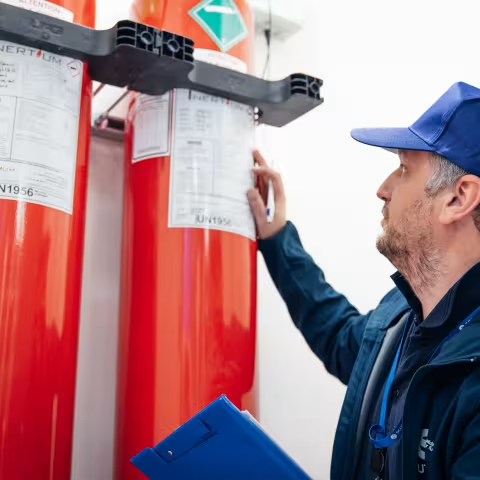
extincteurs scutum photo

A maintenance contract, meanwhile, is not something to overlook: regular maintenance is essential to ensure the long-term reliability of an automatic fire detection system and may be required depending on the type of premises, installation and applicable requirements. A poorly maintained detector can prove just as ineffective as having no system at all.

Pictogramme utilisateur

Anne, Auditor, Scutum Fire

“During an audit carried out before an insurance renewal, we identified an installation that appeared to be working correctly but was no longer compliant with the applicable requirements following an unreported extension to the premises. Without this audit, the client might only have discovered the issue at the time of a fire, with a risk of problems regarding insurance cover. This is the value of certification and regular auditing: they help ensure that the installation continues to reflect changes to the site.”

Conclusion

The choice between manual and automatic detection is not simply a matter of « manual = cheap » and « automatic = expensive ». It primarily depends on a precise risk assessment tailored to your business, premises and obligations.

The key point to remember is that manual detection can meet basic requirements in certain situations, while automatic detection addresses a genuine need for continuous protection of people and property. Between the two, a hybrid solution remains the safest choice in most cases.

For an informed decision and a solution genuinely suited to your business, the best approach is to carry out a security and fire risk assessment. Contact the Scutum experts for a personalised assessment of your premises.

équipe Scutum

FAQ: Frequently Asked Questions About Fire Detection

Is a manual system sufficient for my business?

This depends on your activity, the size of your premises and the regulatory requirements that apply to you. A risk assessment can determine the solution best suited to your situation.

What is the difference between a smoke detector and a heat detector?

A smoke detector reacts to the presence of particles in the air, often during the early stages of a fire. A heat detector activates when the temperature reaches a predefined threshold or rises rapidly. Heat detectors are particularly suitable for kitchens, workshops or dusty areas, where a smoke detector could generate false alarms. The two technologies can also be combined within the same system.

Can my insurer require me to install a particular type of system?

Yes. Some insurance policies impose specific fire detection requirements, which vary depending on the activity, risks covered and value of the insured property. The insurer may require a system that complies with certain standards or is certified, as well as additional measures such as alarm monitoring. It is advisable to check the terms of your insurance policy before installing any system.

Will an automatic system work in the event of a power cut?

Yes. Professional systems generally have a battery-backed standby power supply, which maintains detection and alarm functions for a specified period in the event of a power failure. Control panels continuously monitor their own power supply and report any faults.

How long does an automatic detector last?

This varies depending on the type of detector, its environment and the manufacturer's recommendations. In practice, most professional detectors have a service life of between 10 and 15 years, subject to regular inspection and testing.

What is fire alarm monitoring?

Fire alarm monitoring involves automatically transmitting alarms to an alarm receiving centre as soon as a fire is detected. Operators assess the alarm and follow the procedures in place: alarm verification, contacting responsible personnel and, where necessary, alerting the emergency services. This service enables a rapid response, including when premises are unoccupied, but it complements the detection system and does not replace regulatory requirements.