Fire extinguishers are designed for specific types of fire, and incorrect use can reduce effectiveness or even increase risk. For this reason, basic training and awareness are key components of fire safety.
Publications
Pass System Extinguishing Fires
published on 22/03/2026
Fire Extinguisher: the PASS System Explained
published on 22/03/2026
Written by editor
Written by editor
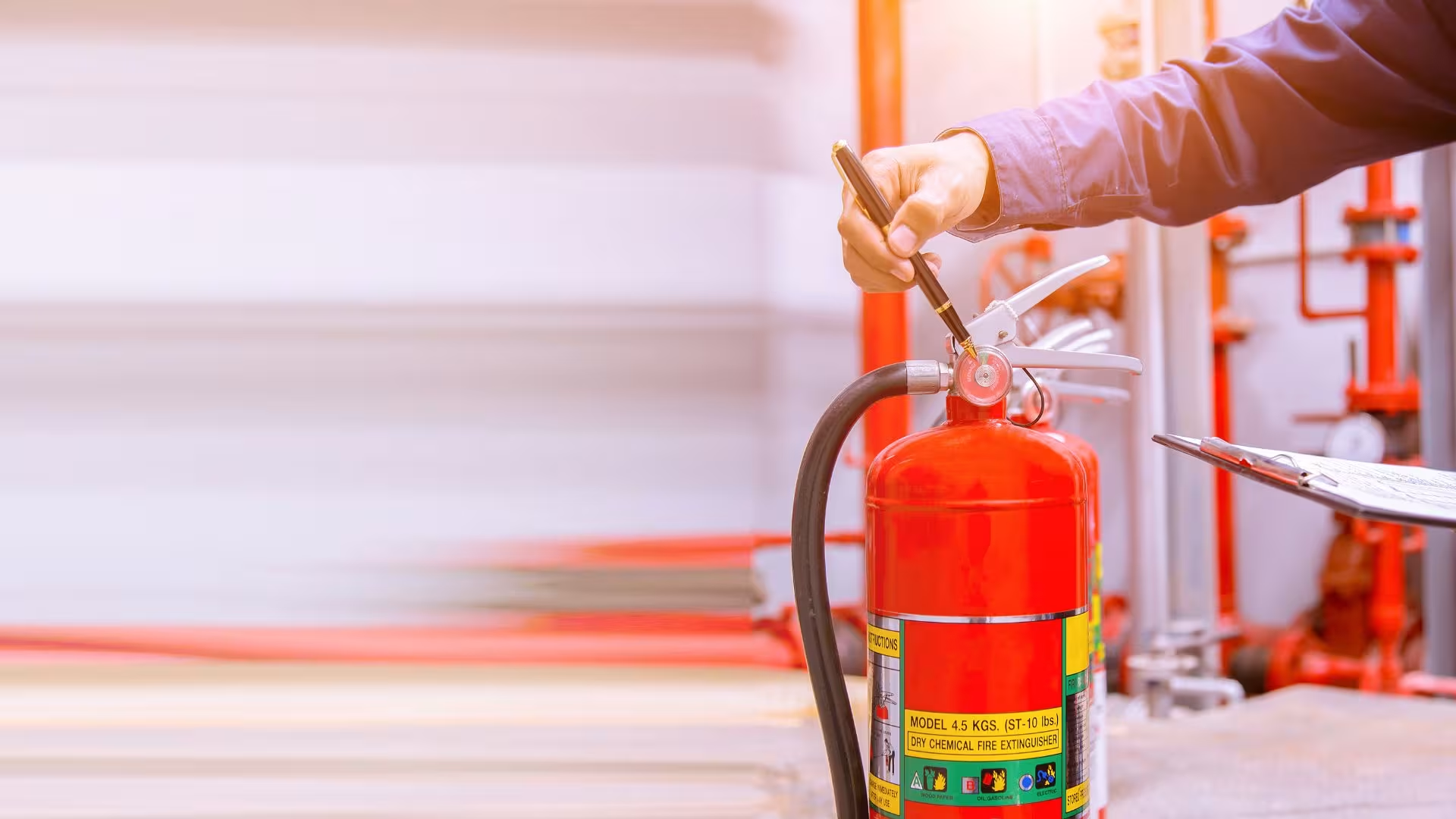
When it is safe to do so, and where a fire is small and manageable, using a fire extinguisher can help prevent it from developing into a more serious incident. However, it is essential not only to select the correct type of extinguisher, but also to understand how to use it properly.
The PASS system
To help users remember the correct method, the use of a fire extinguisher is often summarised using the PASS system. This simple acronym outlines the four key steps required to operate an extinguisher safely and effectively.
P – Pull the pin
The first step is to pull the pin from the extinguisher. This releases the locking mechanism and allows the extinguisher to be activated. Without removing the pin, the extinguisher will not operate.
A – Aim at the base of the fire
Once the extinguisher is ready, aim the nozzle at the base of the fire rather than the flames. Targeting the base is essential, as this is where the fuel source is located. By addressing the source of the fire, the extinguishing agent can work more effectively.
S – Squeeze the lever
Squeezing the lever releases the extinguishing agent. As each extinguisher contains a limited supply, it is important to use it in a controlled and deliberate way. Applying steady pressure ensures the agent is distributed effectively without being wasted.
S – Sweep from side to side
While maintaining a safe distance, sweep the nozzle from side to side across the base of the fire. This helps to cover the entire affected area and ensures the extinguishing agent is applied evenly.
As the fire begins to reduce, you may need to adjust your position slightly while continuing to direct the agent at the base.
Even after a fire appears to be out, there is a risk of re-ignition. It is advisable to remain at a safe distance and monitor the area for a short period to ensure the fire does not reignite.
If any signs of re-ignition occur, the extinguisher can be used again if it is safe to do so.
Safety considerations
Fire extinguishers should only be used where it is safe and appropriate. If the fire begins to spread rapidly, produces excessive smoke, or cannot be controlled, you should evacuate immediately and contact the emergency services.
Personal safety must always take priority. Never attempt to tackle a fire unless you are confident it can be managed safely.