Submitted by Justine.Pource… on
Audit de sécurité.png
published on 11/08/2026

Security Audit: A Strategic Tool for Anticipating Business Risks

Written by Stéphane Couturier

An employee leaves a fire exit ajar; an external contractor moves freely around the premises without a security badge; confidential information is accidentally sent to the wrong address. These situations may seem harmless, yet they can be the starting point for serious incidents.

Is your business truly protected? Do you know where your vulnerabilities lie?

A security audit provides a structured answer to these questions. It is a proactive approach that identifies vulnerabilities before they can be exploited. Not to cause alarm, but to enable you to act with confidence and peace of mind.

What Is a Security Audit?

Understanding Your Security Risks

A security audit is a structured assessment of an organisation's existing security measures, designed to identify vulnerabilities and evaluate how effectively people, premises, assets and information are protected.

By reviewing current systems, procedures and potential threats, a security audit helps businesses understand where their protection is effective, identify areas for improvement and prioritise appropriate security measures.


Security & Safety: Understanding the Difference

Although often used interchangeably, safety and security address different types of risk. Understanding this distinction helps organisations identify the appropriate measures to protect their people, premises and operations.

tick icon

Security

Focuses on protecting people, premises and assets against deliberate threats, including unauthorised access, theft, violence, industrial espionage and sabotage.

tick icon

Safety

Focuses on protecting people and premises from accidental hazards and unintentional incidents, including fires, workplace accidents and equipment failures.

This article focuses on security and how a structured audit can help organisations assess their existing measures, identify vulnerabilities and strengthen their overall protection.

Identifying Vulnerabilities

The purpose of a security audit is to provide an objective assessment of existing security measures, identify potential weaknesses and recommend practical improvements. By prioritising actions according to risk, organisations can address vulnerabilities effectively and focus resources where they are needed most.

Audit de sûreté.png
Icon person.png

Stéphane Couturier, Scutum Sales Director

“Businesses often have a perception of their level of protection that does not fully correspond to the reality on the ground. Our role is precisely to bridge that gap, without judgment, but with clarity. This clarity enables management to make decisions based on facts rather than assumptions.”

Security Risk Audit

Every organisation faces different security risks depending on its operations, premises and assets. A security audit helps identify and assess relevant threats, including those originating both inside and outside the organisation.

Building

External Threats

• Intrusion and theft: unauthorised access to premises, theft of equipment or inventory.

• Vandalism and damage: damage to infrastructure and equipment.

• Industrial espionage: acquisition of strategic data, patents or know-how.

• Assault: physical threats to employees or customers.

Fingerprint

Internal Threats

These risks are often underestimated. Yet they can result in significant and long-lasting losses.


• Theft of goods or data by an employee.

• Internal fraud: embezzlement, falsification and abuse of trust.

• Unauthorized access to sensitive areas or information.

• Sabotage or malicious acts by a disgruntled employee.

How Is a Security Audit Conducted?

A security audit follows a structured process to assess existing security measures, identify vulnerabilities and recommend appropriate improvements. The process typically involves four key stages.

Audit de sécurité.png

Step 1: Preparation and Document Review

Before visiting the site, auditors review relevant documentation, including building plans, existing security procedures and records of previous incidents.

An initial meeting with key stakeholders helps establish the scope and objectives of the audit.

This preparation enables auditors to identify areas requiring closer examination during the on-site assessment.

Step 2: On-Site Security Assessment

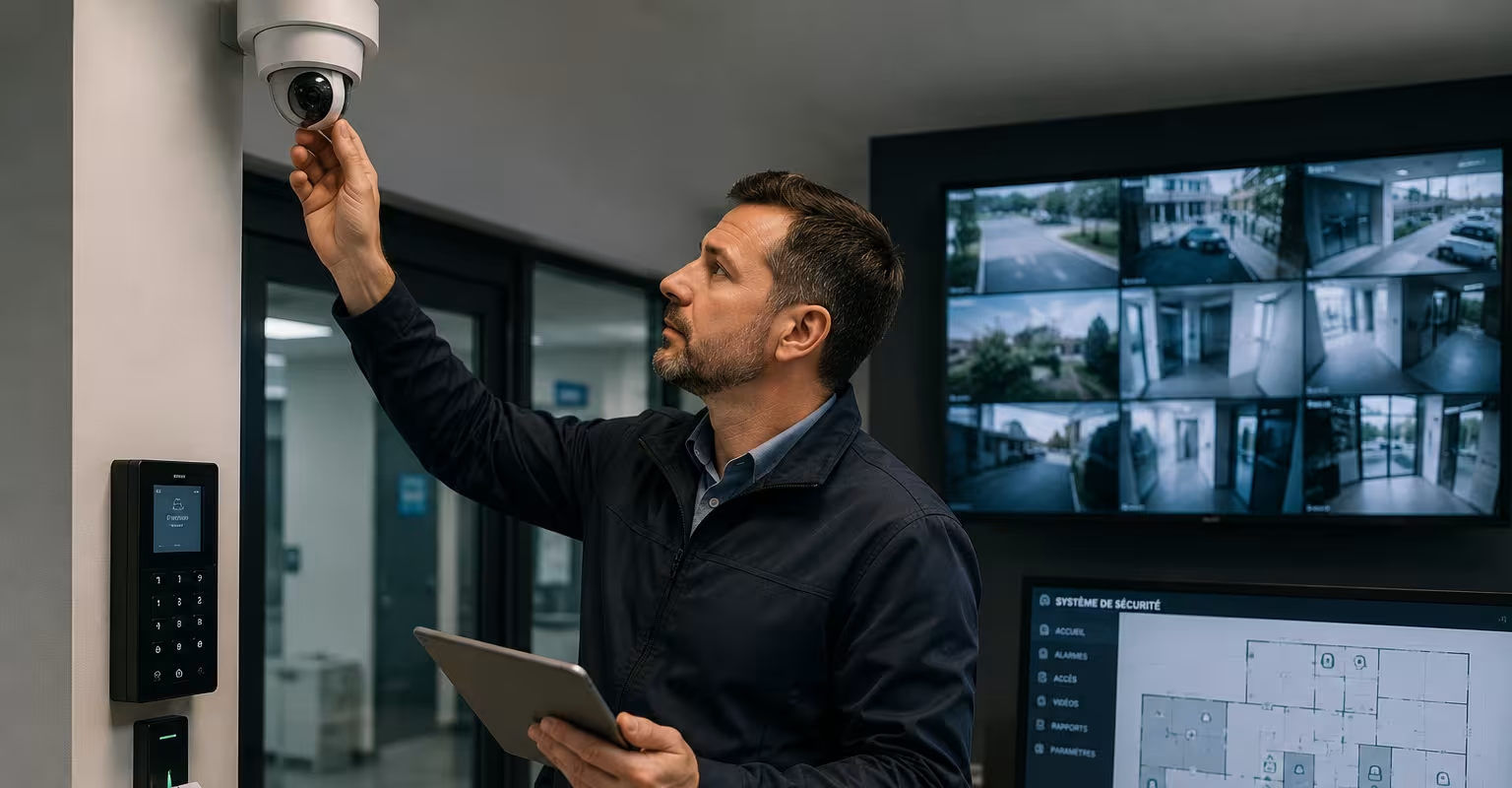
During the site visit, auditors examine existing security measures and procedures to identify potential vulnerabilities. Depending on the scope of the audit, this may include:

  • Physical security: Fencing, doors, locks, lighting and entry points.
  • Electronic security systems: CCTV, access control and intruder alarm systems.
  • Security procedures: Visitor management, key control, deliveries and access credentials.
  • Staff consultation: Discussions with relevant employees and managers to understand existing practices and potential concerns.

Findings are assessed in the context of the organisation's size, sector, operations and specific security risks.

Audit de sûreté 2.png

Step 3: Analysis & Reporting

Following the assessment, auditors prepare a structured report outlining the strengths and weaknesses of existing security arrangements.

Identified risks are assessed according to their likelihood and potential impact, helping organisations understand their vulnerabilities and prioritise areas for improvement.

The report provides a clear basis for making informed decisions about future security measures and investment.

Step 4: Presenting Findings & Recommendations


The final stage involves presenting the audit findings to management, highlighting key risks and recommended improvements.

Where included in the scope, a prioritised action plan can outline proposed measures, estimated costs and implementation timescales.

Recommendations should consider three key areas: people, technology and processes, ensuring a coordinated approach to strengthening security.

Formation Scutum

Would you like to learn more about our approach? Contact the Scutum experts for a personalized discussion.

Icon person.png

Stéphane Couturier, Scutum Sales Director

“The presentation of the findings is the moment when the audit really comes to life: we explain the results, set priorities and answer questions. The support that follows is just as important, because implementing recommendations takes time and resources and sometimes requires overcoming internal resistance. Our added value does not stop when the report is delivered.”

Security Audit Benefits

A security audit is an investment in protecting your organisation. By identifying vulnerabilities and prioritising improvements, it can help reduce risks, strengthen business resilience and support more informed security decisions.

1 Asset Protection

By identifying security vulnerabilities and recommending appropriate improvements, an audit can help businesses reduce the risk of theft, damage and costly operational disruption.

2 Employee Safety

Protect Your Employees A security audit can help identify risks to employees and highlight measures to improve workplace security, creating a safer working environment and providing greater peace of mind.

3 Get the most

By identifying and prioritising genuine security risks, an audit helps organisations direct investment towards the areas where improvements are most needed, avoiding unnecessary expenditure.

4 Improve your image

It also strengthens the company’s image by demonstrating its professionalism and commitment to customers, partners, insurers and regulatory authorities.

5 Peace of mind

Finally, it provides something that is harder to quantify but just as valuable: peace of mind. Having a clear, documented view of your level of protection means you can make informed decisions without having to improvise.

A security audit provides valuable insights across an organisation. For senior management, it supports risk management and business continuity. For those responsible for security and compliance, it helps identify priorities, allocate resources effectively and develop a practical plan for improvement.

Femme qui sourit avec ses collègues pendant la formation DATI Connect

Conclusion: Taking a Proactive Approach to Security

Security risks continue to evolve, making it important for businesses to regularly assess their existing protection measures and identify areas for improvement.

A security audit provides a structured approach to understanding vulnerabilities, prioritising risks and making informed decisions about future security investment.

By taking a proactive approach, organisations can strengthen their security arrangements, protect their people and assets, and support long-term business resilience.

Is your business adequately protected against today's security risks? Contact the Scutum team to discuss your security requirements and explore appropriate solutions.

FAQs

When Should a Business Consider a Security Audit?

A security audit can be particularly valuable in several situations:

  • Following a security incident, such as theft, unauthorised access or fraud, to identify vulnerabilities and reduce the risk of similar incidents.
  • During organisational changes, including opening new premises, expanding operations or restructuring.
  • As part of routine security reviews, to identify emerging risks and assess whether existing measures remain effective.
  • To meet specific requirements, such as those set by insurers, contractual agreements or applicable regulations.

Is a Security Audit Suitable for All Industries?


Yes. Security audits can benefit businesses of all sizes and across a wide range of sectors, wherever there are people, premises, assets or information to protect.

They are particularly valuable in industrial, logistics and commercial environments, but can be equally beneficial for small and medium-sized enterprises (SMEs), which may have fewer dedicated security resources.

The scope and recommendations of an audit should reflect the organisation's size, sector, operations and specific risk profile, ensuring that any proposed improvements are relevant and proportionate.


Recommendations should be prioritised according to the likelihood of a security incident and its potential impact on people, assets and business operations.

High-priority risks, particularly those requiring immediate attention, should be addressed promptly. Other improvements can be planned over time, taking account of available resources, budgets and operational requirements.

The aim is to develop a practical, risk-based action plan that addresses the most significant vulnerabilities first and supports continuous improvement in security.

How Can Effective Security be Measured?

The effectiveness of measures introduced following a security audit can be assessed through regular monitoring and review. Useful indicators include:

  • Security incidents: Tracking the number, nature and severity of reported incidents over time.
  • Security performance: Monitoring unauthorised access attempts, security breaches and other identified vulnerabilities.
  • Follow-up assessments: Reviewing whether recommended improvements have been implemented and are working effectively.
  • Ongoing risk reduction: Assessing whether identified risks have been reduced to an acceptable level.

Regular reviews help businesses evaluate progress, identify emerging risks and ensure their security measures remain appropriate and effective.