Submitted by Justine.Pource… on
Opératrice et opérateur dans un centre de télésurveillance APSAD P5
published on 16/07/2026

Fire Safety System : Definition, Purpose and Key Components

Written by Cédric DONOTE

Theft, break-ins, antisocial behaviour, cyber threats and large-scale events: security has become an everyday concern for businesses, public organisations and private individuals alike. As risks continue to evolve, partnering with a professional security company is a strategic decision that helps protect your people, assets and operations. A private security company acts as a trusted partner, designing tailored security solutions that meet the specific needs of each site and budget.

What Is a Private Security Company?

A security company is a specialist service provider that protects people, property and assets on behalf of private and public sector clients. Its services cover a wide range of environments, including offices, warehouses, retail premises, residential developments and events, using qualified security personnel, proven procedures and advanced security technologies.


Pictogramme d'ampoule noir

In the UK, the private security industry is regulated by the Security Industry Authority (SIA), the organisation responsible for licensing security professionals and ensuring compliance with industry standards. Security officers carrying out licensable activities must hold a valid SIA licence, providing clients with reassurance that they are working with trained and qualified professionals.

It is important to distinguish private security companies from the police. Security officers focus on prevention, deterrence and incident response on site. They do not investigate crimes or exercise police powers, except in the limited circumstances available to any member of the public under UK law. Instead, they work alongside the emergency services, helping to prevent incidents, protect premises and support public safety.

The Three Core Responsibilities of a Security Company

The role of a security company is built around three complementary objectives: protecting property, safeguarding people and preventing risks before they become incidents.

Chantiers isolés.png
Building

Protecting Property

Protecting property involves preventing theft, vandalism and criminal damage across all types of premises, from offices and logistics centres to construction sites, retail stores and industrial facilities. Security companies achieve this through visible deterrence, including static security officers, scheduled patrols and random inspections, while also managing access control systems to monitor who enters and leaves a site.


For example, on a construction site covering approximately 5,000 m², combining remote monitoring with regular night patrols can significantly reduce the number of break-ins and minimise losses caused by the theft of equipment and materials.

User-Check

Protecting People

Security extends far beyond protecting buildings; it is also about keeping people safe. Whether safeguarding employees, customers, visitors or attendees at an event, security officers are trained to manage conflict, defuse potentially difficult situations and provide assistance during emergencies. They are also trained in first aid and emergency procedures, enabling them to respond quickly and effectively when every second counts.

File

Preventing and Managing Risks

A professional security company takes a proactive approach to risk management. It begins by identifying vulnerabilities through security audits and site assessments before recommending the most appropriate protective measures.


Prevention relies on visible security officers and security systems that discourage criminal activity, while incident response is based on clearly defined procedures for situations such as fire alarms, intrusions, medical emergencies, evacuation or alarm verification. This combination of anticipation and rapid response is what distinguishes a comprehensive security provider from a basic guarding service.

Tailored Security Services for Every Need

Rather than offering a one-size-fits-all solution, a professional security company designs bespoke security strategies by combining personnel, technology and consultancy services.

Manned Guarding Services

Manned guarding remains one of the foundations of professional security. Depending on the client's requirements, different types of security officers may be deployed, including:

  • Security Officers responsible for reception duties, access control, patrols and key management.
  • Dog Handlers providing an additional level of deterrence for remote or high-risk sites.
  • Fire Safety Officers responsible for helping prevent fire risks and supporting emergency procedures in buildings where appropriate.

Typical responsibilities include welcoming visitors, monitoring entrances and exits, carrying out patrols, managing keys and access passes, and recording incidents.

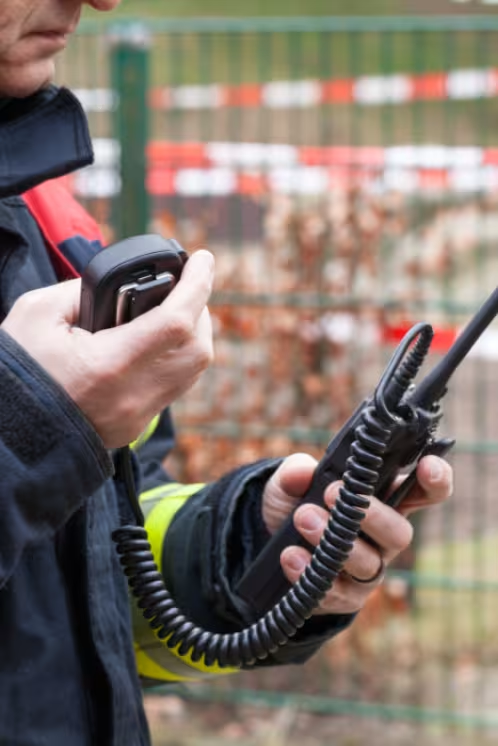
ERRCS system with emergency responder holding radio

Remote Monitoring and Security Technology

Remote monitoring combines connected security equipment, including CCTV cameras, intrusion alarms, motion detectors and technical sensors, with a dedicated monitoring centre operating 24 hours a day, seven days a week.

Whenever an alarm is triggered, trained operators verify the incident using video, audio or two-way communication before deciding on the most appropriate response. This may involve dispatching a mobile security officer, contacting keyholders or notifying the emergency services when necessary.

Technology provides rapid detection, while experienced professionals make informed decisions to ensure the appropriate response.

GettyImages-1355657113.jpg

Event Security

Event security presents unique challenges due to large crowds, varying visitor profiles and constantly changing environments.

Security services may include crowd management, visual bag inspections, security screening (where legally permitted and with consent where applicable), access control and close coordination with organisers, emergency services and the police. Whether protecting trade exhibitions, concerts, festivals or sporting events, every event requires a carefully planned and proportionate security strategy.

Outdoor concert event on a track

Security Audits, Consultancy and Training

Effective security always begins with a thorough assessment. A security audit identifies vulnerabilities, analyses site activity and evaluates potential risks.

Based on these findings, the security company recommends the most appropriate balance between security personnel, technology and operational procedures. Many providers also deliver staff training to help employees develop good security awareness, including emergency response, evacuation procedures and recognising suspicious behaviour.

Audit de sécurité.png

Why Choose a Specialist Security Company?

Outsourcing security provides reassurance, expertise and operational flexibility. Working with a specialist security provider enables organisations to:

  • Benefit from experienced professionals and proven security procedures.
  • Focus on their core business while security is managed by dedicated experts.
  • Ensure compliance with relevant legislation and industry standards.
  • Access flexible security solutions that can adapt to changing business needs, new sites or temporary events.
  • Benefit from shared resources such as monitoring centres, mobile response teams and technical maintenance services.

This is precisely the approach taken by SCUTUM, combining more than 35 years of experience with certified monitoring centres, highly trained security professionals and nationwide technical expertise.

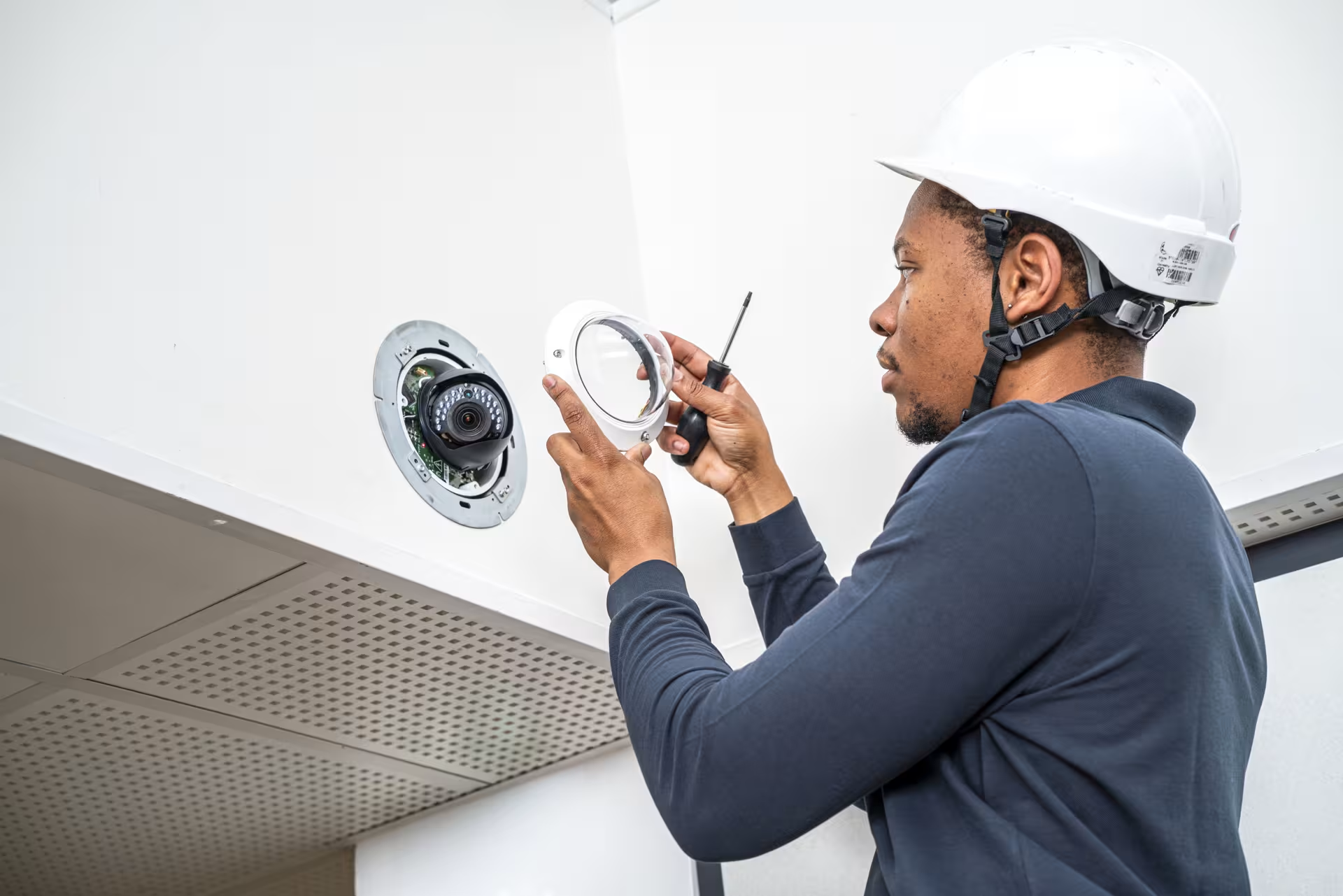
Scutum surveillance camera - tech 2
Pictogramme utilisateur

Cédric DONOTE, Head of Low Voltage & Electrical Engineering Design Office, SCUTUM

"A thorough fire safety assessment goes beyond producing compliant plans. It anticipates the client's real operational needs to ensure the safety of both people and property. This commitment to excellence is what sets us apart and enables us to consistently deliver complete customer satisfaction."

Conclusion

A professional security company is much more than a service provider, it is a long-term partner that helps ensure business continuity, protects people and safeguards valuable assets.

Because the private security industry is highly regulated, choosing an experienced, certified and reputable security company is an investment that delivers lasting peace of mind. It is the difference between reacting to isolated incidents and implementing a comprehensive, long-term security strategy.

Frequently Asked Questions About Security Companies

How much does it cost to hire a private security company?

  • The cost depends primarily on the type of service required, such as manned guarding, mobile patrols, event security or remote monitoring.
  • More specialised services, such as protecting high-risk sites, close protection or armed security (where legally permitted), may involve higher costs.
  • Pricing also varies depending on the duration of the contract (one-off or long-term) and the frequency of the services provided.
  • The level of risk associated with the site also has a direct impact on the overall cost.
  • Additional charges may apply for travel, installed equipment, night shifts, weekends or public holidays.
  • A tailored quotation is always recommended to ensure the solution meets your specific security requirements.

What is the difference between a security company and the police?

  • A private security company provides preventative and deterrent security services.
  • Security officers protect private premises such as businesses, retail stores, residential developments and events.
  • The police are responsible for law enforcement, criminal investigations and maintaining public order.
  • Security officers do not have the same legal powers as the police. They cannot conduct criminal investigations or exercise police powers beyond those available under UK law.
  • Instead, security companies work alongside the police and emergency services to help prevent incidents and protect people and property.
  • If a serious incident occurs, security officers will notify the appropriate emergency services.
  • The private security industry is regulated by the Security Industry Authority (SIA), which licenses security professionals and promotes high industry standards.

What is the Security Industry Authority (SIA)?

  • The Security Industry Authority (SIA) is the organisation responsible for regulating the private security industry across the United Kingdom.
  • It is sponsored by the Home Office and operates as the industry's regulatory authority.
  • The SIA licenses individuals carrying out designated security activities.
  • It sets professional standards and helps ensure that security personnel are properly trained and qualified.
  • The SIA also monitors compliance with legislation and can suspend or revoke licences where standards are not met.
  • Its role is to promote professionalism, public confidence and high-quality security services throughout the industry.

Who can benefit from hiring a security company?

Security services are suitable for a wide range of organisations and individuals, including:

  • Businesses of all sizes, from SMEs to large organisations.
  • Industrial facilities, warehouses and retail premises.
  • Property management companies and residential developments.
  • Event organisers, including exhibitions, concerts, festivals and sporting events.
  • Local authorities and public sector organisations.
  • Private individuals requiring temporary or specialist security services, such as for private events or second homes.
  • Construction sites, which are particularly vulnerable to theft and vandalism.

Does a small or medium-sized business need a security company?

  • Yes. Small and medium-sized businesses are just as vulnerable to burglary, theft, vandalism and antisocial behaviour as larger organisations.
  • A professional security company helps protect business premises, equipment and sensitive information while improving the safety of employees and visitors.
  • Visible security measures also act as an effective deterrent against criminal activity.
  • Security solutions can be tailored to suit both the operational needs and the budget of smaller businesses.
  • Outsourcing security allows business owners to focus on running their organisation while experienced professionals manage security.
  • Flexible options include scheduled patrols, remote monitoring and on-site security officers.

Need a tailored security assessment? SCUTUM's security experts work with businesses, residential developments and event organisers to design bespoke, compliant and scalable security solutions.

Contact us today to arrange a no-obligation site security assessment.