Submitted by editor on
published on 25/03/2026

Fire Risk Assessment in 5 Steps

Fire risk assessments are a legal requirement for businesses in the UK and a crucial part of maintaining a safe working environment. By identifying hazards, understanding who is at risk, and putting appropriate controls in place, organisations can reduce the likelihood of fire and protect people, property, and operations.

What is a Fire Risk Assessment?

A fire risk assessment is a structured process used to identify potential fire hazards within a building and evaluate the risks they pose. This includes examining factors such as electrical systems, equipment, building layout, and how the space is used.

It also involves identifying who may be at risk, including employees, visitors, and customers, and understanding how different areas of the building may expose them to hazards. Carrying out a thorough assessment ensures that risks are recognised early and appropriate action can be taken.

The 5 Steps

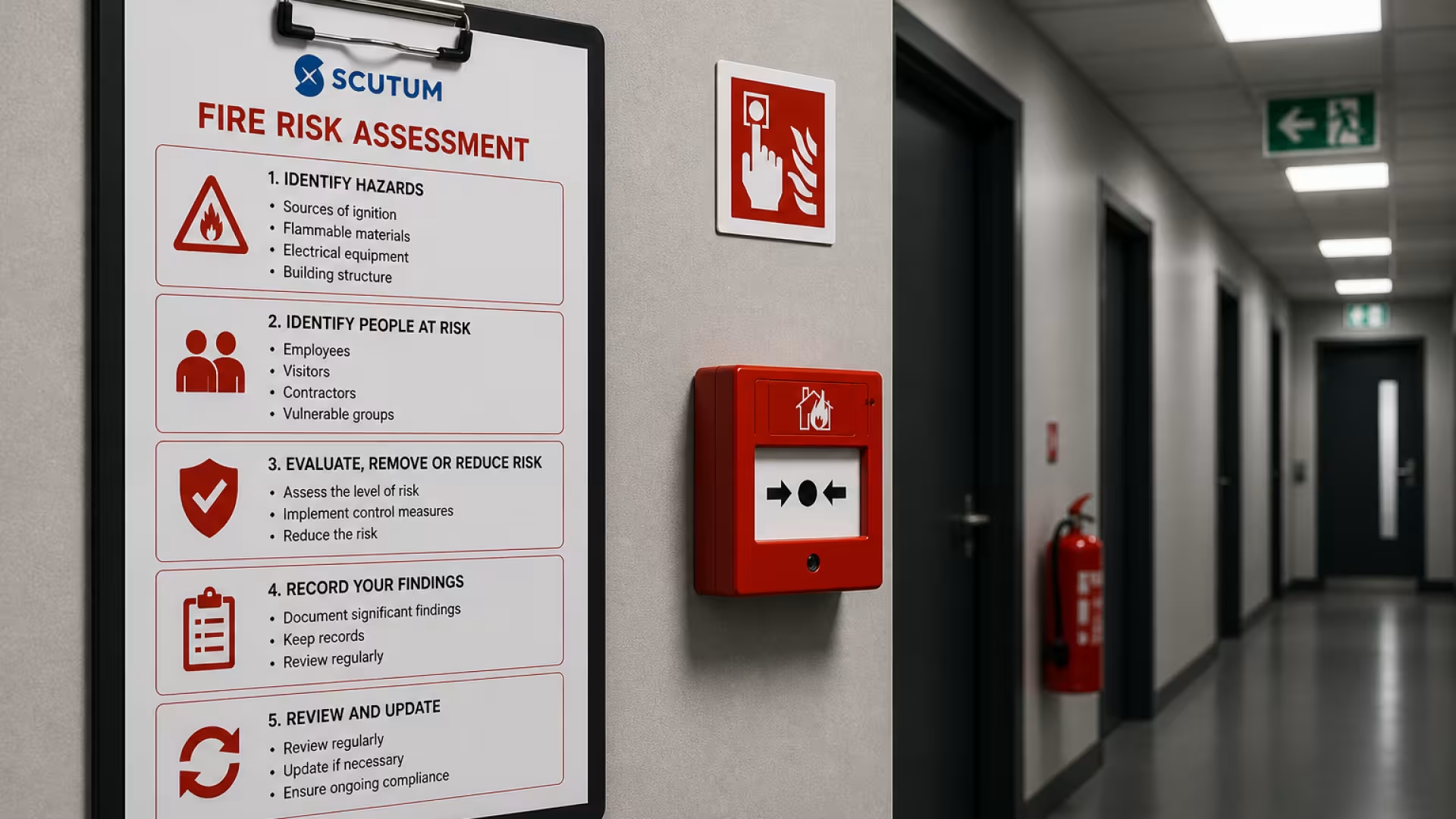
A fire risk assessment follows five key stages. The first is identifying hazards, which involves recognising anything that could cause a fire or contribute to its spread. The second step is identifying who may be at risk and how they could be affected.

The third stage is evaluating the risks and implementing measures to remove or reduce them. This may involve improving procedures, upgrading equipment, or providing additional staff training. The fourth step is recording the findings, which is a legal requirement for businesses with five or more employees and provides evidence of compliance.

The final step is reviewing the assessment regularly. Any changes to the building, equipment, or working practices should prompt a review to ensure that new risks are properly managed.

Why Are Fire Risk Assessments So Important?

Fire risk assessments play a vital role in protecting people and ensuring legal compliance. By identifying and addressing hazards early, businesses can reduce the likelihood of fire and minimise potential damage.

They also support better emergency planning, ensuring that evacuation routes, fire detection systems, and firefighting equipment are suitable for the environment. Regular reviews ensure that safety measures remain effective as the business evolves.

Working with a professional fire safety provider ensures that assessments are thorough, compliant, and tailored to the specific risks and needs of your premises.