Submitted by editor on
Vérification Incendie
published on 26/03/2026

Fire Alarm Systems: Legal Requirements and HMO Guide

Fire alarm systems are a critical part of any building's safety infrastructure, providing early warning in the event of a fire. In the UK, it is not only essential to have a fire alarm system in place, it must also be regularly serviced and maintained. This applies to all commercial premises, and carries specific additional obligations for Houses in Multiple Occupation (HMOs).
This guide covers the legal requirements for fire alarm servicing and what they mean in practice, with dedicated guidance for HMO landlords.

Is Fire Alarm Servicing a Legal Requirement ?

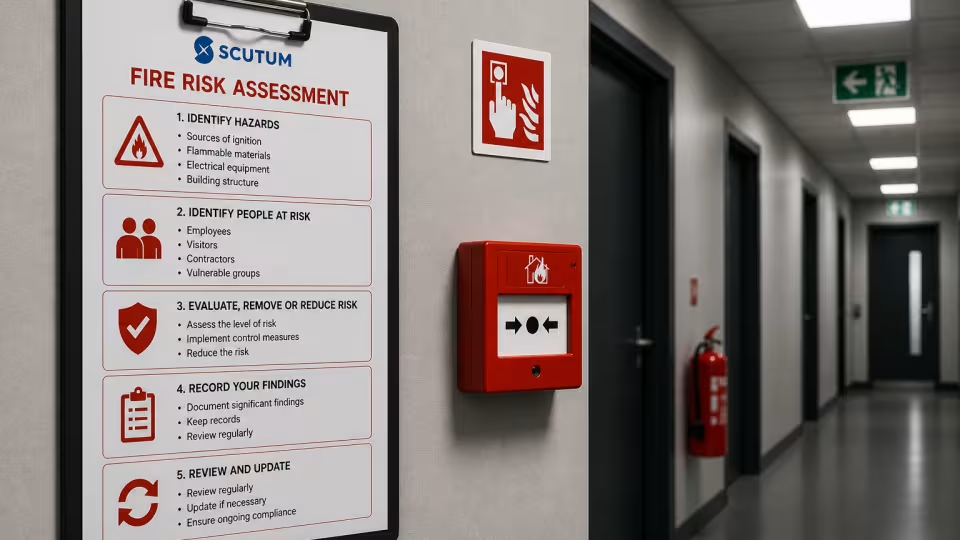
Yes. Fire alarm servicing is a legal requirement under the Regulatory Reform (Fire Safety) Order 2005. This legislation states that all fire safety equipment must be maintained in efficient working order and good repair. It also requires that maintenance is carried out by a competent person with the appropriate training, knowledge and experience.

Fire alarm.png

In addition, British Standard BS 5839 provides detailed guidance on maintenance schedules, recommending that fire alarm systems are serviced at least every six months to remain compliant. Failure to meet these requirements can result in increased risk, non-compliance, and potential legal consequences.

What Does Fire Alarm Maintenance Entail ?

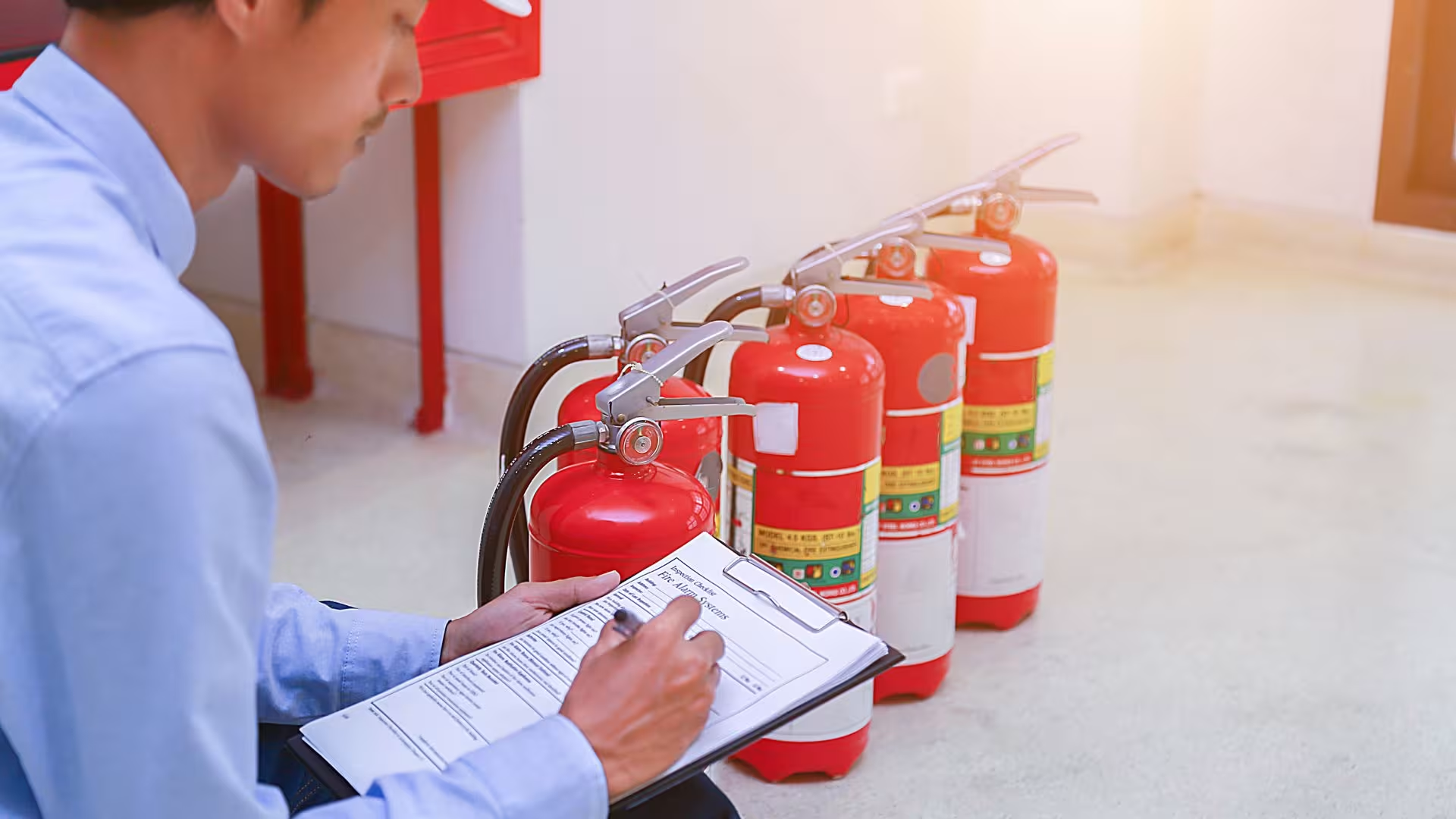
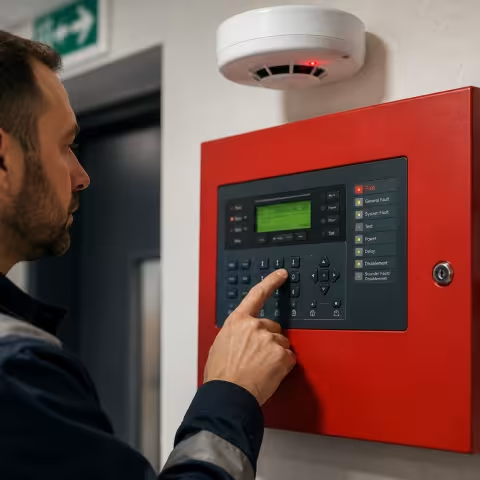
Fire alarm servicing is designed to ensure that systems remain fully operational and capable of responding effectively in an emergency. This includes inspecting all components, testing detectors and control panels, checking power supplies and backup batteries, and identifying any faults or performance issues.

Maintenance also helps to reduce false alarms by identifying environmental factors such as dust or system sensitivity. Any changes to the building that may affect the system's performance can also be reviewed and addressed during a service visit. Regular servicing ensures that faults are identified early, system reliability is maintained, and the level of protection remains appropriate for the premises.

Why Use a Professional Fire Alarm Maintenance Provider ?

Working with a qualified and accredited provider ensures that your fire alarm system is maintained to the highest standards. Look for companies with recognised certifications such as BAFE registration, which demonstrates compliance with UK fire safety standards. An experienced provider will not only carry out thorough maintenance but also offer expert advice, ensuring your system continues to meet legal requirements and operational needs.

Scutum technician with service van

Fire Alarm Requirements for HMOs

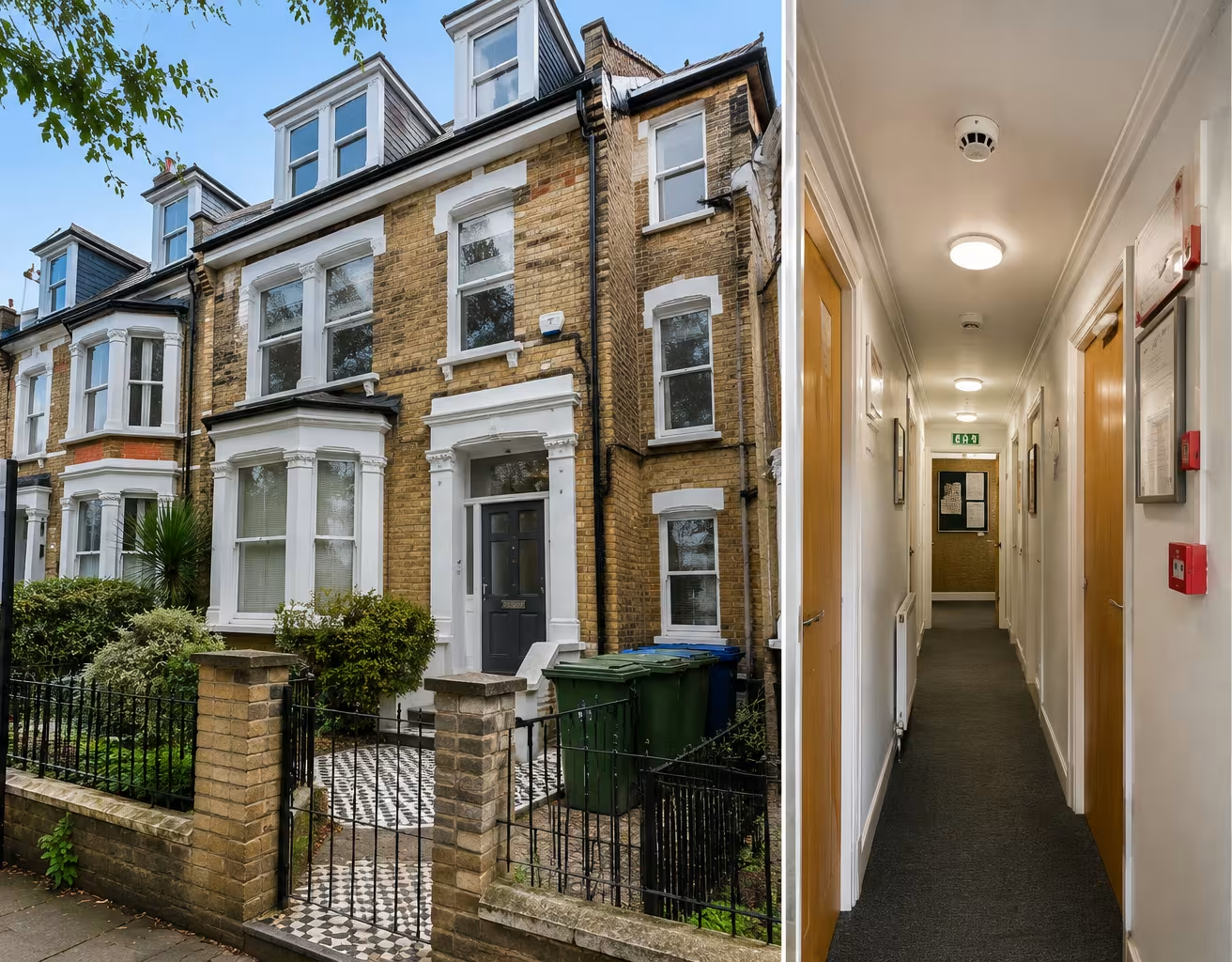
If you own or operate an HMO, a House in Multiple Occupation, you are subject to specific fire alarm obligations beyond those that apply to standard commercial premises. HMO licensing makes it a legal requirement for landlords to have appropriate fire alarm systems installed. The specific requirements vary depending on the size of the property.

One and two-storey HMOs must have smoke and CO alarms installed in high-risk areas such as the kitchen. Three-storey HMOs require a more comprehensive solution: a fire alarm system with a central panel, in addition to smoke and CO alarms throughout. Failure to comply puts lives at risk and can result in substantial fines or, in the most serious cases, criminal prosecution.

HMO.png

What Is an HMO?

An HMO is a property occupied by three or more people who form more than one household. A household is defined as a single person, or people from the same family living together. A large HMO contains five or more tenants making up more than one household. A property is also classified as an HMO if tenants share toilet, kitchen or bathroom facilities.

Types of Fire Alarm System for HMOs

The right fire alarm system for an HMO depends on the size and layout of the property, the number of tenants, and the specific requirements of the licensing conditions. The main options are as follows : 

Phone-Call

Monitored Fire Alarm Systems

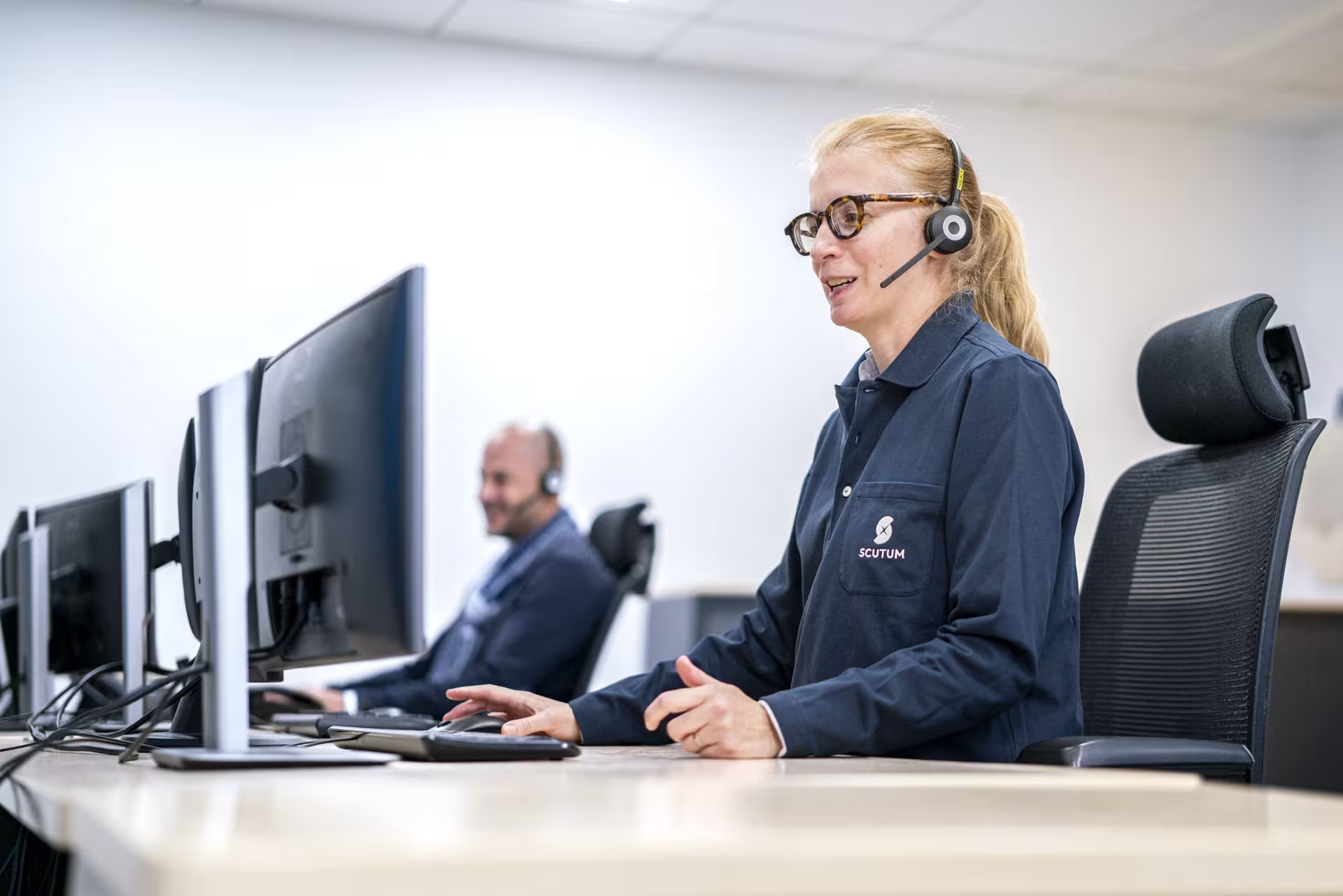
For the fastest response in a fire emergency, monitored fire alarm systems are the most effective solution. Connected to an alarm receiving centre, these systems ensure that when an alarm is triggered, emergency services can be alerted immediately — particularly valuable when no one is present on the premises.

Building-2

Addressable Fire Alarm Systems

Addressable fire alarm systems are designed for multi-roomed or larger properties. They support a large number of detectors interconnected via a loop system and display the exact location of the triggered alarm on the control panel. They are well-suited to larger HMOs or complex layouts where identifying the source of a fire quickly is essential.

Router

Wireless Fire Alarm Systems

Wireless fire alarm systems are ideal for landlords who want to avoid disruption and unsightly wiring. Their performance matches that of wired counterparts, with the added benefit of easier installation and flexibility. The system operates via radio frequency, allowing each alarm to communicate with the others and with the central panel.

Home

Conventional Fire Alarm Systems

For smaller HMOs, a conventionally wired fire alarm system may provide adequate protection. Generally lower maintenance than wireless or addressable systems, conventional systems use indicator lights to communicate the zone in which a fire has been detected, though a further search may be needed to pinpoint the precise location.

Don't wait for an inspection or an incident to act. Contact Scutum today to arrange your fire alarm installation, service or compliance check, and protect your property, your tenants and your legal standing.