Submitted by Justine.Pource… on
Télésurveillance site sensible ou infrastructure critique
published on 01/10/2026

Remote Monitoring for Sensitive Sites and Critical Infrastructure

Written by Magali Belot

Critical infrastructure plays an essential role in supporting everyday life, from energy generation and water supply to telecommunications, transport and essential industrial operations. Protecting these facilities is vital to maintaining public services, operational continuity and national resilience.

Sensitive sites and critical infrastructure can face a range of security threats, including unauthorised access, theft, vandalism, deliberate interference and, in certain environments, more sophisticated physical and cyber threats. Their operational complexity and importance make effective security planning particularly important.

Traditional security measures, such as perimeter fencing and on-site guarding, remain valuable but can be strengthened through integrated security technologies and professional monitoring services.

Modern remote security monitoring combines CCTV surveillance, intrusion detection, access control and trained operators to help identify potential threats, assess security alerts and coordinate appropriate responses.

This guide explores the security challenges associated with sensitive sites and critical infrastructure, the technologies available to support their protection and the key considerations when developing a security strategy tailored to each facility's requirements.

The unique security challenges of sensitive sites

Sensitive sites and critical infrastructure can present complex security challenges due to their operational importance, the nature of their activities and the potential consequences of disruption.

In the UK, Critical National Infrastructure (CNI) refers to assets, facilities, systems and networks considered essential to the delivery of vital services, where their loss or compromise could have significant consequences for national security, the economy or public safety.

CNI spans sectors including energy, water, transport, communications, healthcare and finance. However, not every organisation or facility operating within these sectors is necessarily designated as CNI.

Other sensitive environments may include industrial facilities, research establishments, data centres and sites handling hazardous substances. Some industrial establishments are also subject to the Control of Major Accident Hazards (COMAH) Regulations 2015, which establish requirements for preventing and limiting the consequences of major accidents involving dangerous substances.

While their specific risks and regulatory obligations differ, these environments share a need for carefully planned security measures that reflect their operational requirements and potential vulnerabilities.


Site industriel 2.png

Sensitive sites and critical infrastructure can face security threats with consequences extending well beyond their immediate premises. Unauthorised access, theft, sabotage and industrial espionage may compromise essential operations, sensitive information or valuable equipment.

These facilities may also face operational hazards, including fire, equipment failures and incidents involving dangerous substances. Although these risks require different protective measures, they reinforce the importance of a coordinated approach to site safety, security and operational resilience.

For large or complex sites, relying solely on physical security personnel can present challenges, particularly when monitoring extensive perimeters, multiple access points or remote locations. Integrating CCTV surveillance, intrusion detection and professional remote monitoring can extend security coverage, support early identification of potential incidents and complement on-site personnel.

Depending on their activities and classification, some facilities may also be subject to additional security, safety and resilience requirements. Security arrangements should therefore be tailored to the site's specific risks, operational needs and applicable regulatory obligations.

Pictogramme utilisateur

Magali BELOT, Operations Director – Remote Monitoring, Scutum France.

“In just a few years, we have moved from isolated threats to combined attacks, where a physical intrusion can prepare the ground for a cyberattack, or vice versa. Protecting a critical site now means thinking about both together.”

Four Key Elements of Effective Remote Security Monitoring

Effective remote security monitoring combines technologies and professional expertise to help protect sensitive sites and critical infrastructure. Four key functions work together to support a coordinated security approach: detection, verification, response and deterrence.

1. Detection: Advanced Technologies for Early Threat Identification

Effective perimeter security begins with the ability to detect potential threats across vulnerable areas of a site. Modern detection technologies can help identify unusual activity, support early intervention and reduce reliance on continuous manual surveillance.

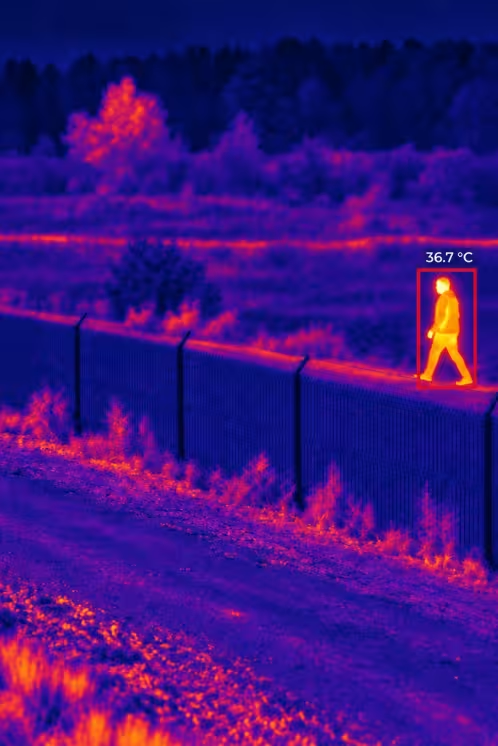
  • Thermal imaging cameras: Detect differences in heat signatures, helping identify people or vehicles in low-light conditions or across extensive outdoor areas. Specialist radiometric thermal cameras can also support temperature monitoring and the identification of abnormal heat patterns.
  • High-resolution CCTV and video analytics: Advanced cameras, combined with AI-assisted video analytics, can identify predefined events such as perimeter breaches, unauthorised movement or prolonged activity in restricted areas, generating alerts for further assessment.
  • Perimeter intrusion detection: Technologies including surveillance radar, infrared barriers and fence-mounted detection systems can provide additional protection around site boundaries, helping identify potential intrusions before individuals reach sensitive areas.

The most appropriate combination of technologies depends on the site's layout, environmental conditions, operational requirements and specific security risks.

Caméras thermiques

2. Verification: Professional Monitoring and Incident Assessment

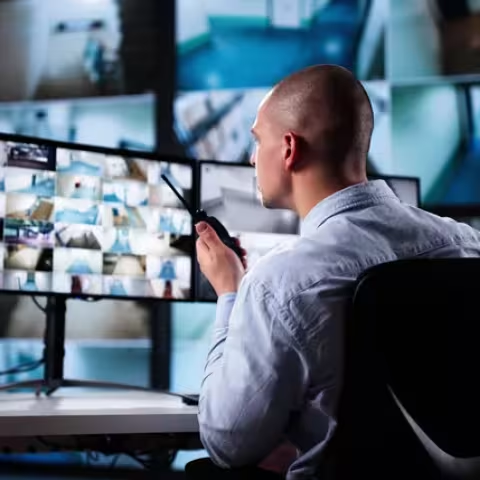
An alarm activation does not necessarily indicate a genuine security threat. Professional remote monitoring enables trained operators to assess alerts, review available CCTV footage and determine the most appropriate course of action.

Through video alarm verification, operators can examine footage associated with an alarm activation to help establish whether an incident requires further investigation or intervention. Depending on the circumstances and agreed response procedures, this may involve contacting designated keyholders, notifying on-site security personnel or requesting assistance from the relevant emergency services.

A professional remote monitoring centre plays an important role in this process, helping businesses manage security incidents effectively while reducing unnecessary responses to false alarms.

Centre de télésurveillance

The effectiveness of remote security monitoring is supported by recognised industry standards. BS EN 50518 sets requirements for monitoring and alarm receiving centres, while BS 8418 provides guidance and requirements for detector-activated CCTV systems, including their design, installation, operation and remote monitoring.

Security alerts are managed in accordance with established procedures, with trained operators assessing available information and initiating appropriate responses. Depending on the nature of the incident and the agreed monitoring arrangements, this may involve contacting keyholders, notifying on-site security personnel or requesting police assistance where applicable.

By combining professional monitoring with clearly defined response procedures, businesses can improve incident assessment, reduce unnecessary callouts and support a coordinated approach to protecting sensitive sites.

Pictogramme utilisateur

Magali BELOT, Operations Director – Remote Monitoring, Scutum France.

“When an alarm comes in, our operators have the images in front of them within seconds. That is where the real challenge lies: assessing the situation quickly and accurately, so that the right response is triggered, neither too early nor too late.”

3. Response: Coordinated Security Intervention

Once a potential security threat has been assessed, an appropriate response can be initiated in accordance with established procedures and the site's specific security requirements.

Depending on the systems installed and the monitoring arrangements in place, remote operators may be able to activate audible alarms, issue live audio warnings or trigger other connected security measures designed to deter intruders.

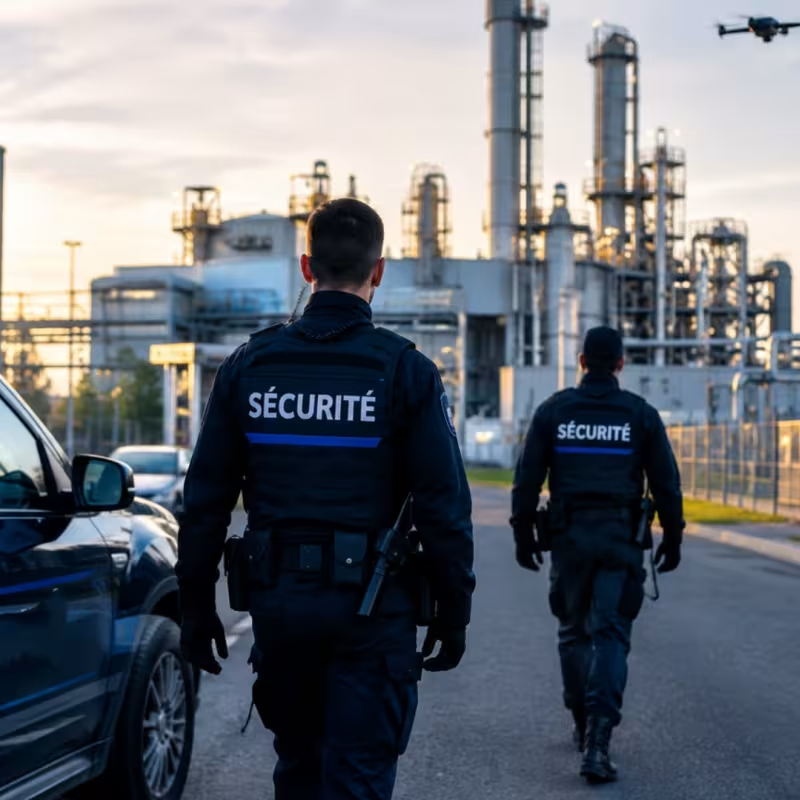
Remote monitoring can also support coordination with on-site security personnel or mobile patrols, enabling incidents to be escalated for physical intervention where necessary.

For larger or more complex sites, specialist technologies such as surveillance drones may offer additional capabilities for assessing incidents across extensive areas. Their use must be carefully planned and comply with applicable UK aviation, privacy and security requirements.

Combining remote intervention with appropriate on-site response arrangements helps organisations manage security incidents effectively while reducing unnecessary risks to personnel.

Télésurveillance intervention

4. Deterrence: Minimising Potential Security Threats

Visible security measures, including CCTV cameras, perimeter detection systems and warning signage, can help discourage unauthorised access and criminal activity. When supported by professional remote monitoring, these technologies provide an additional layer of protection for sensitive sites and critical infrastructure.

Advanced video analytics can further strengthen security by identifying predefined patterns of activity, such as unusual movement, loitering or attempted access to restricted areas. These systems can generate alerts for assessment, enabling security teams to investigate potential threats and take appropriate action.

By combining visible deterrents with intelligent detection and professional monitoring, organisations can adopt a more proactive approach to protecting their premises, people and critical assets.

System Integration and Cyber Security

Effective remote security monitoring relies on technologies that work together to support a coordinated approach to site protection.

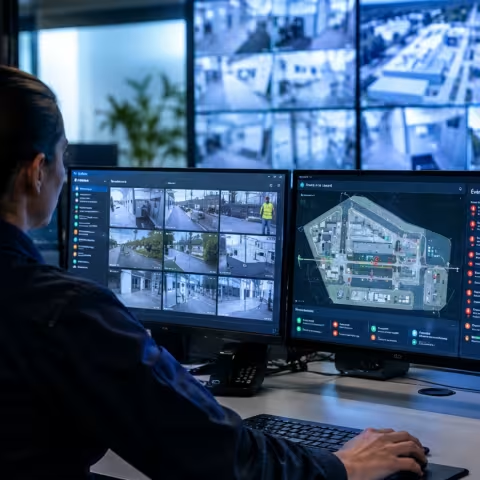
Integrating systems such as access control, intrusion detection and CCTV surveillance can provide security teams with a clearer overview of activity across a site, helping them identify potential threats and manage incidents more effectively.

Where appropriate, fire detection and other building safety systems may also be connected to wider monitoring arrangements, subject to relevant technical and regulatory requirements.

By improving communication between compatible systems, organisations can streamline security management, support more informed decision-making and strengthen their overall security arrangements.

Télésurveillance

As security systems become increasingly connected, cyber security is an essential consideration. Network-connected CCTV, access control and intrusion detection systems must be appropriately protected against unauthorised access, cyber attacks and potential disruption.

Measures such as secure network configurations, data encryption, access controls and regular software updates can help reduce vulnerabilities and protect the integrity of security systems.

System resilience is equally important, particularly for sensitive sites where interruptions to monitoring could have significant consequences. Depending on the site's requirements, backup power supplies and alternative communication connections, including mobile networks, can help maintain monitoring capabilities during network or equipment failures.

By combining effective cyber security measures, resilient infrastructure and clearly defined operational procedures, organisations can strengthen the reliability of their remote monitoring arrangements and support long-term security performance.

Pictogramme utilisateur

Magali BELOT, Operations Director – Remote Monitoring, Scutum France.

“An unsecured camera is an open door into our network. A security system must be protected with the same level of rigour as the assets it monitors.”

Implementing Remote Security Monitoring: Four Key Steps

Developing an effective remote security monitoring system requires careful planning and a clear understanding of the site's operational and security requirements. A structured four-step approach can help ensure that the chosen technologies and monitoring arrangements are appropriate for the environment and its specific risks.

1 Audit & Risk Assessment

Everything starts with a security audit and risk assessment. This stage focuses on the site's actual vulnerabilities rather than applying a standard solution by default.

2 Bespoke Design

The next step is the bespoke design of the system: selecting the technologies suited to each location according to the risks identified and the site's specific constraints.

3 Installation & Training

Installation should be carefully planned to minimise disruption to site operations while meeting relevant safety and security requirements. Once the system is installed and tested, authorised personnel should receive appropriate training to ensure they understand its functions, how to manage alerts and the procedures to follow in the event of a security incident.

4 Ongoing Maintenance and System Improvements

Regular inspection, testing and maintenance help ensure that remote security monitoring systems continue to operate effectively. Periodic reviews also allow businesses to identify opportunities for improvement, address emerging security risks and adapt their systems to changes in site operations, infrastructure or security requirements.

Working with an experienced security partner can help simplify the process, providing a coordinated approach to system design, installation, monitoring and ongoing support. This helps organisations manage their security requirements more effectively while maintaining consistency across their protection arrangements.

Conclusion

Protecting sensitive sites and critical infrastructure requires a coordinated approach that reflects the complexity of these environments and the potential consequences of security incidents.

By combining advanced detection technologies, professional monitoring, effective response procedures and visible deterrents, organisations can strengthen their security arrangements and improve their ability to identify and manage potential threats.

As security technologies continue to develop, innovations in video analytics, automation and system integration offer further opportunities to enhance monitoring capabilities. However, effective protection will always depend on selecting appropriate solutions, maintaining reliable systems and ensuring that technology is supported by trained professionals and clearly defined procedures.

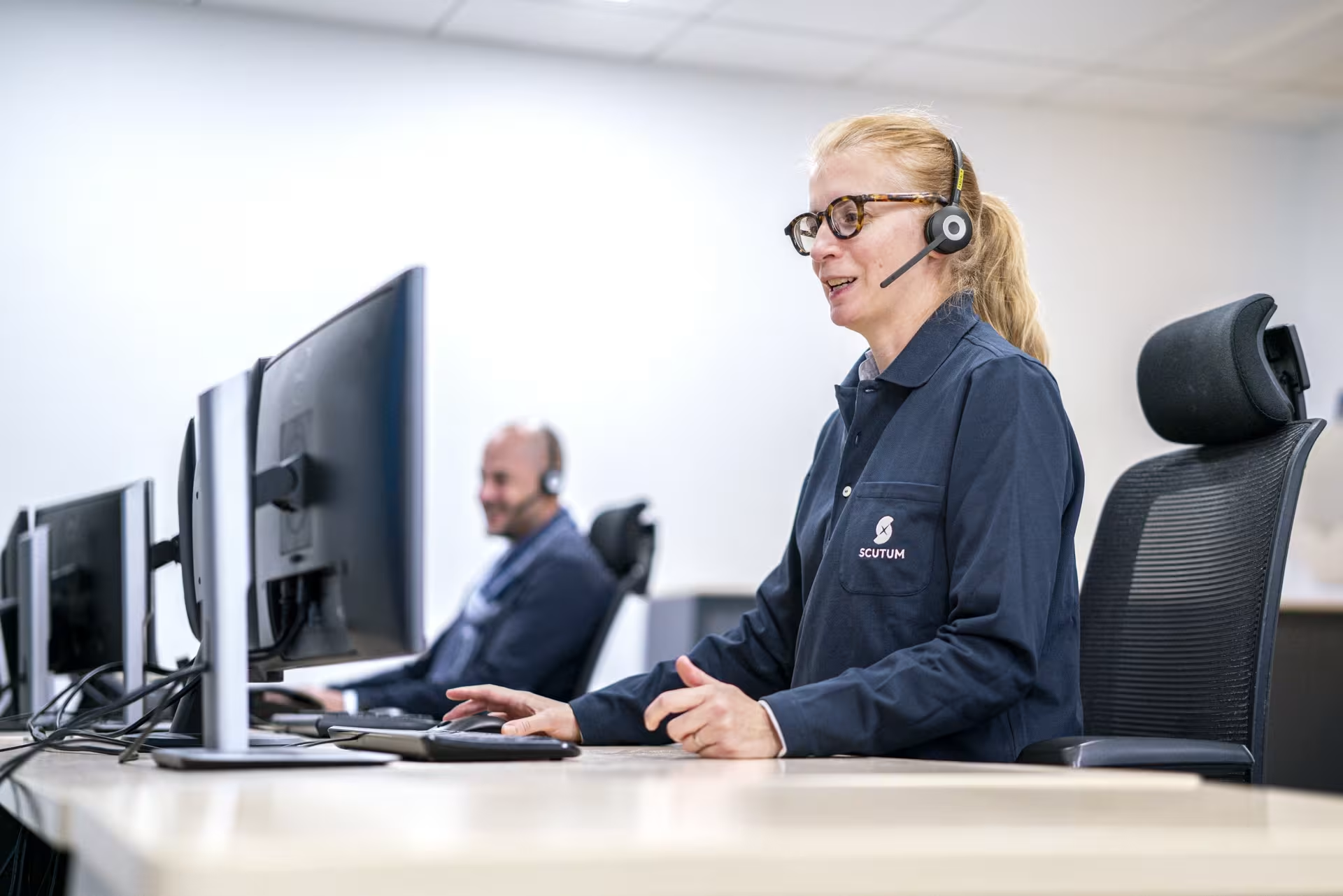
Opératrice et opérateur dans un centre de télésurveillance APSAD P5

Your infrastructure is unique, and its security should be too. Contact our SCUTUM experts to carry out a comprehensive security audit and design the remote monitoring solution suited to your requirements.

FAQ: Frequently asked questions about remote monitoring for critical sites

What is the difference between remote monitoring for sensitive sites and conventional CCTV?

Video surveillance is primarily used to record and view footage. Remote monitoring goes further: it provides active surveillance through a monitoring centre that processes alerts in real time using trained operators.

Video alarm verification makes it possible to quickly confirm an intrusion or incident before triggering an appropriate response. On a sensitive site, these systems will typically incorporate advanced technologies such as perimeter detection, intelligent video analytics, access control and additional sensors. Response procedures are adapted to the specific requirements of each critical site.

→ Video Surveillance vs. Remote Monitoring: What Is the Difference for Your Business? | Scutum

What regulations apply?

The use of video surveillance systems in the UK must comply with applicable data protection requirements, including the UK General Data Protection Regulation (UK GDPR) and the Data Protection Act 2018. Organisations using surveillance systems must identify an appropriate lawful basis, provide transparent information to individuals where required, use surveillance proportionately and ensure that recorded information is securely stored and accessed only by authorised people.

The Information Commissioner's Office (ICO) also recommends clear and visible signage informing people that surveillance is in operation and explaining who operates the system and why it is being used. There is no universal statutory retention period for CCTV footage under the UK GDPR and Data Protection Act 2018: retention should be limited to the shortest period necessary for the purpose for which the footage was collected.

Certain sensitive sites and regulated activities may also be subject to additional security and resilience requirements. For example, sites covered by the COMAH Regulations 2015 are subject to specific requirements relating to the prevention and mitigation of major accidents involving dangerous substances.

How is the confidentiality of footage ensured?

Video footage should be encrypted where necessary during transmission and storage. Access should be restricted to authorised individuals, with appropriate authentication and audit measures in place to ensure traceability.

Footage should only be accessed for legitimate purposes defined by the organisation's procedures, such as an alarm, security incident or investigation. Additional cybersecurity measures can further reduce the risk of unauthorised access.

Under UK data protection guidance, recorded information should be stored securely in a way that preserves its confidentiality, integrity and availability, with access restricted to authorised individuals.