Submitted by editor on
Image Cyberassurance
published on 30/03/2026

How to Dispose of a Fire Extinguisher

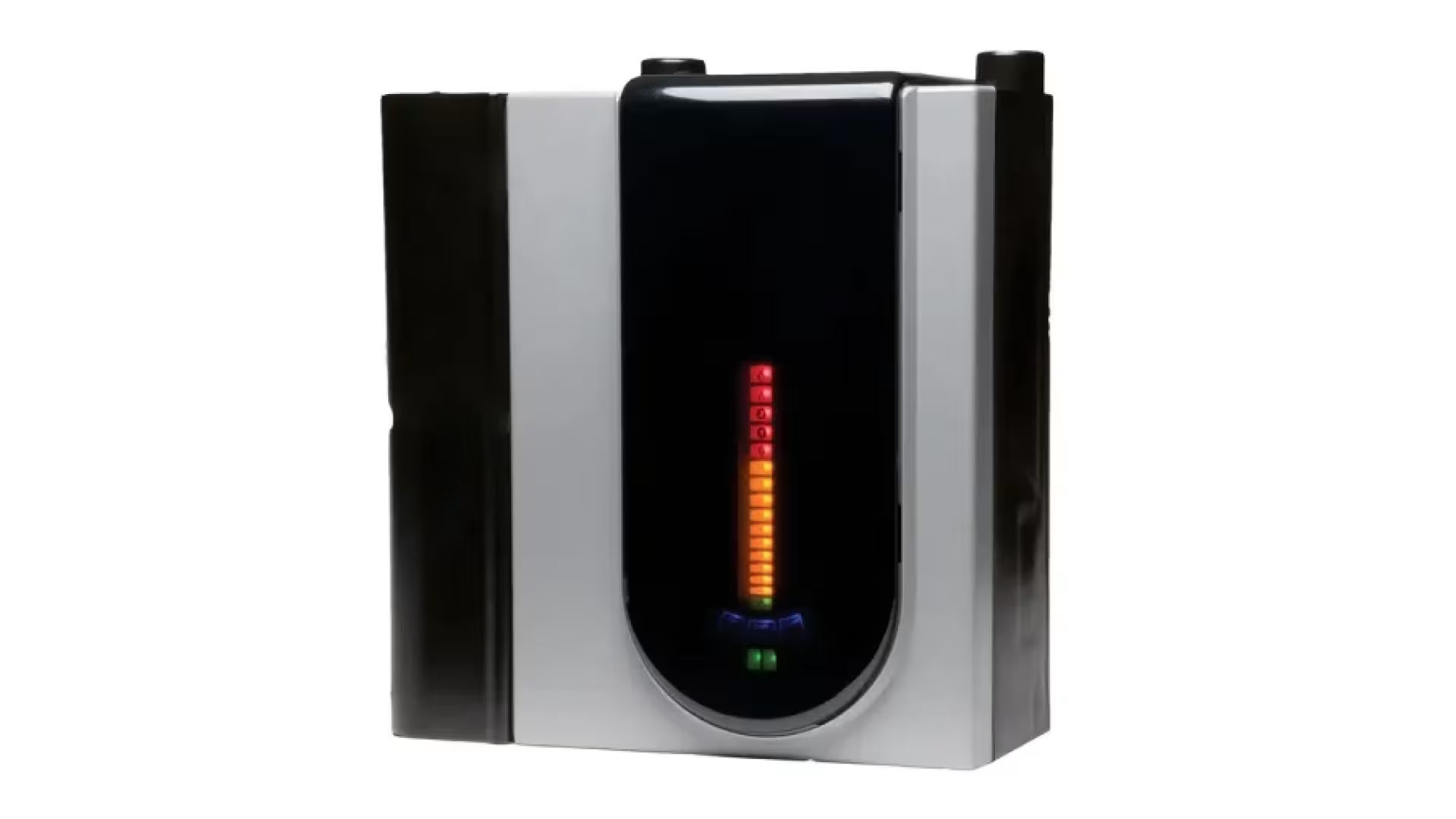
Aspirating smoke detection systems (ASD), also known as air sampling detection systems, provide one of the earliest and most reliable methods of fire detection available. By continuously analysing air for microscopic smoke particles, these systems can detect fire at a very early stage, often before visible signs appear, helping to protect high-value assets and minimise risk.

What Are Aspirating Fire & Smoke Detection Sytems?

Aspirating detection systems actively draw air through a network of sampling pipes into a highly sensitive detection unit. This allows them to identify extremely low levels of smoke that traditional detectors may not detect until a fire has already developed.

Because of this sensitivity, aspirating systems are often used in environments where even the smallest delay in detection could lead to significant damage or downtime. They provide continuous monitoring, early alerts, and enhanced control over fire safety systems.


Aspiration System vs Traditional Smoke Detectors

Traditional point smoke detectors rely on smoke reaching a fixed sensor location before an alarm is triggered. In contrast, aspirating systems actively sample air from across a space, allowing for much earlier and more consistent detection.

Aspirating systems are significantly more sensitive, capable of detecting fires at a pre-smoke or incipient stage, whereas point detectors typically respond once smoke becomes more concentrated. This makes ASD systems particularly effective in large or complex environments where airflow may delay detection.

They are also more versatile in challenging conditions. In high ceilings, cold storage environments, or areas with dust or airflow fluctuations, point detectors can be slower or less reliable. Aspirating systems overcome these limitations by drawing air directly into the detection unit.

In addition, aspirating systems offer a more discreet solution, with minimal visible hardware, making them ideal for architecturally sensitive spaces such as heritage buildings, museums, and galleries.

Where Are Aspiration Systems Used?

Aspirating smoke detection is widely used in environments where early warning is essential. This includes data centres, server rooms, telecommunications facilities, and areas containing critical or high-value equipment.

They are also suited to industrial environments, cold stores, and warehouses, where environmental conditions may affect traditional detectors. In commercial and public spaces, such as offices, retail environments, and cultural venues, aspirating systems provide reliable protection without compromising aesthetics.