Submitted by editor on
Cavity Barrier
published on 24/03/2026

Fire Cavity Barriers and Fire Stopping: A Guide for UK Businesses

Fire cavity barriers and fire stopping are two essential elements of passive fire protection. This guide explains what each involves, where they are required, and who is responsible for ensuring they are in place.

What Is Passive Fire Protection?

Passive fire protection refers to the built-in measures within a building's construction that limit the spread of fire and smoke without requiring any active intervention. Unlike fire alarms or sprinkler systems, passive fire protection works continuously and automatically, it is part of the fabric of the building itself.

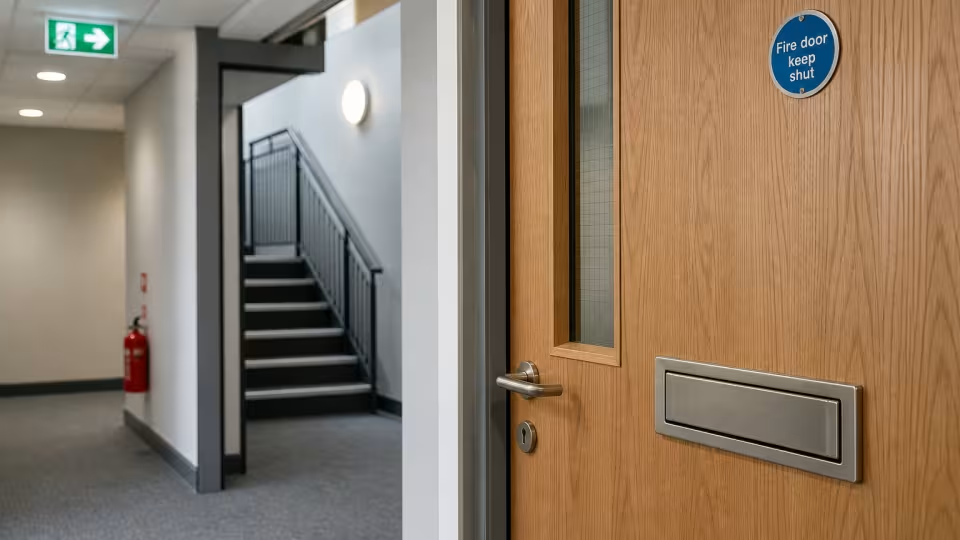
All construction in commercial property utilises fire compartmentalisation, helping to trap fire and smoke and allowing people to evacuate safely in a timely manner. Fire cavity barriers and fire stopping are two of the most important passive fire protection measures that make this compartmentalisation work.
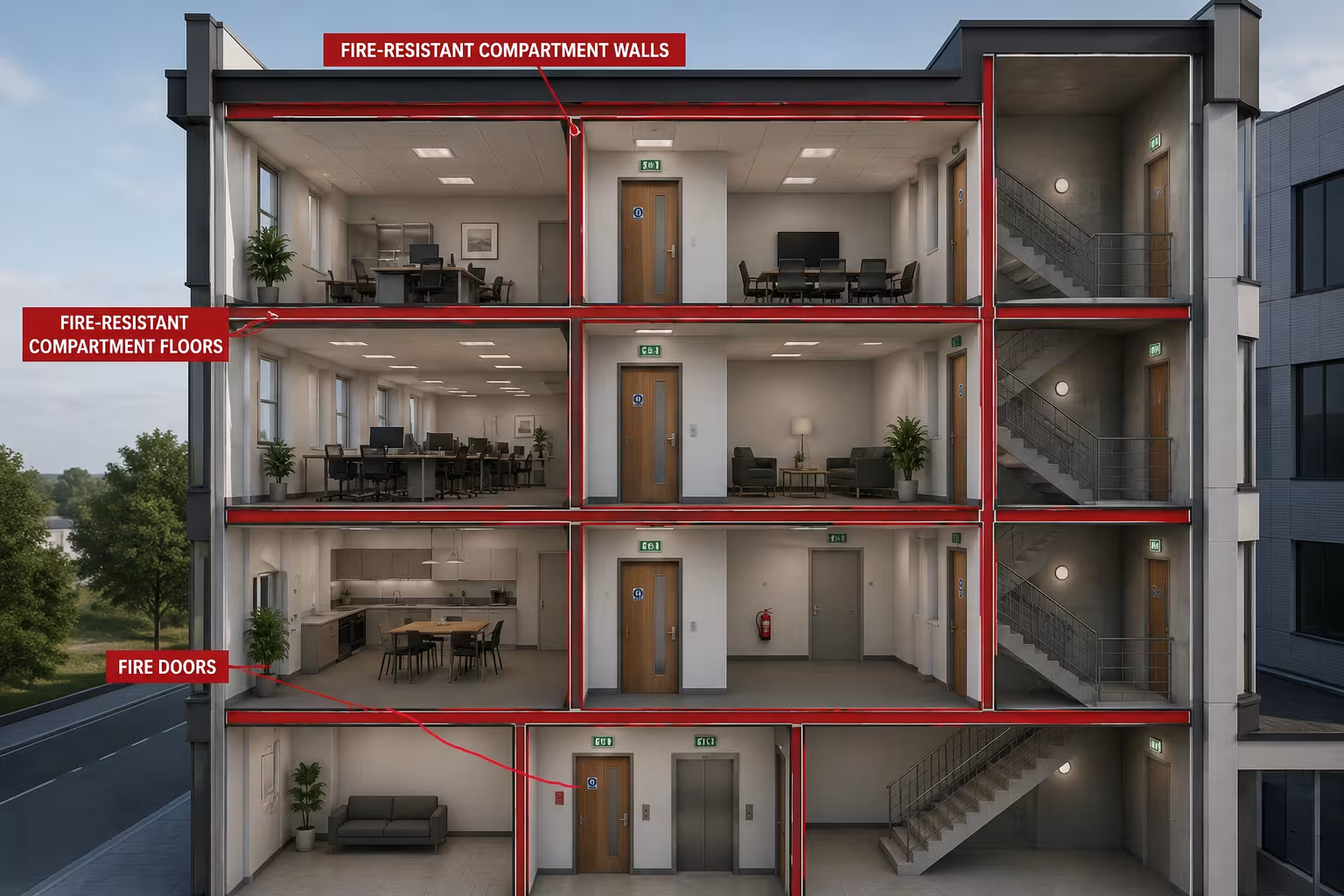
Passive fire protection.png

What Are Fire Cavity Barriers?

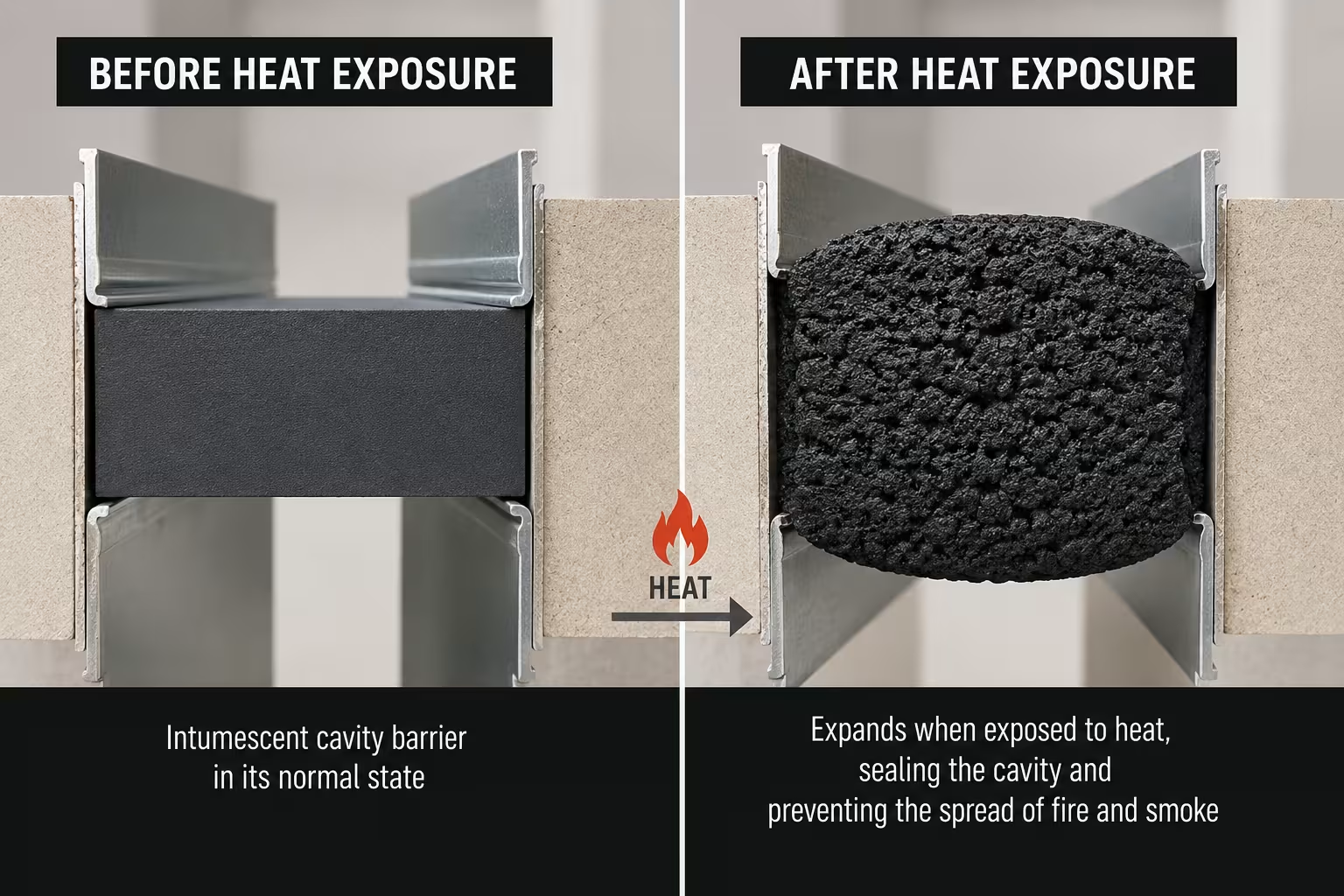
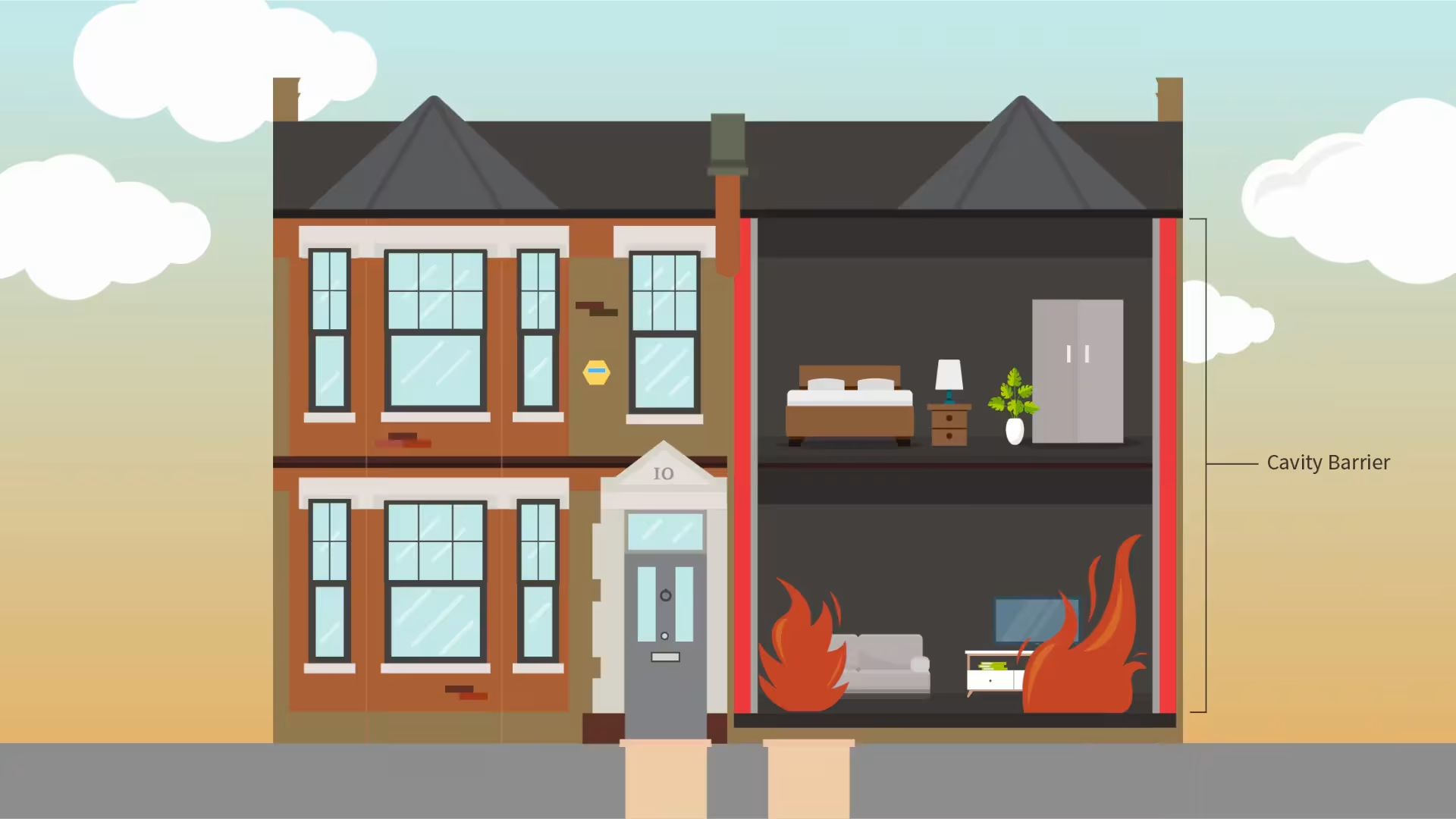
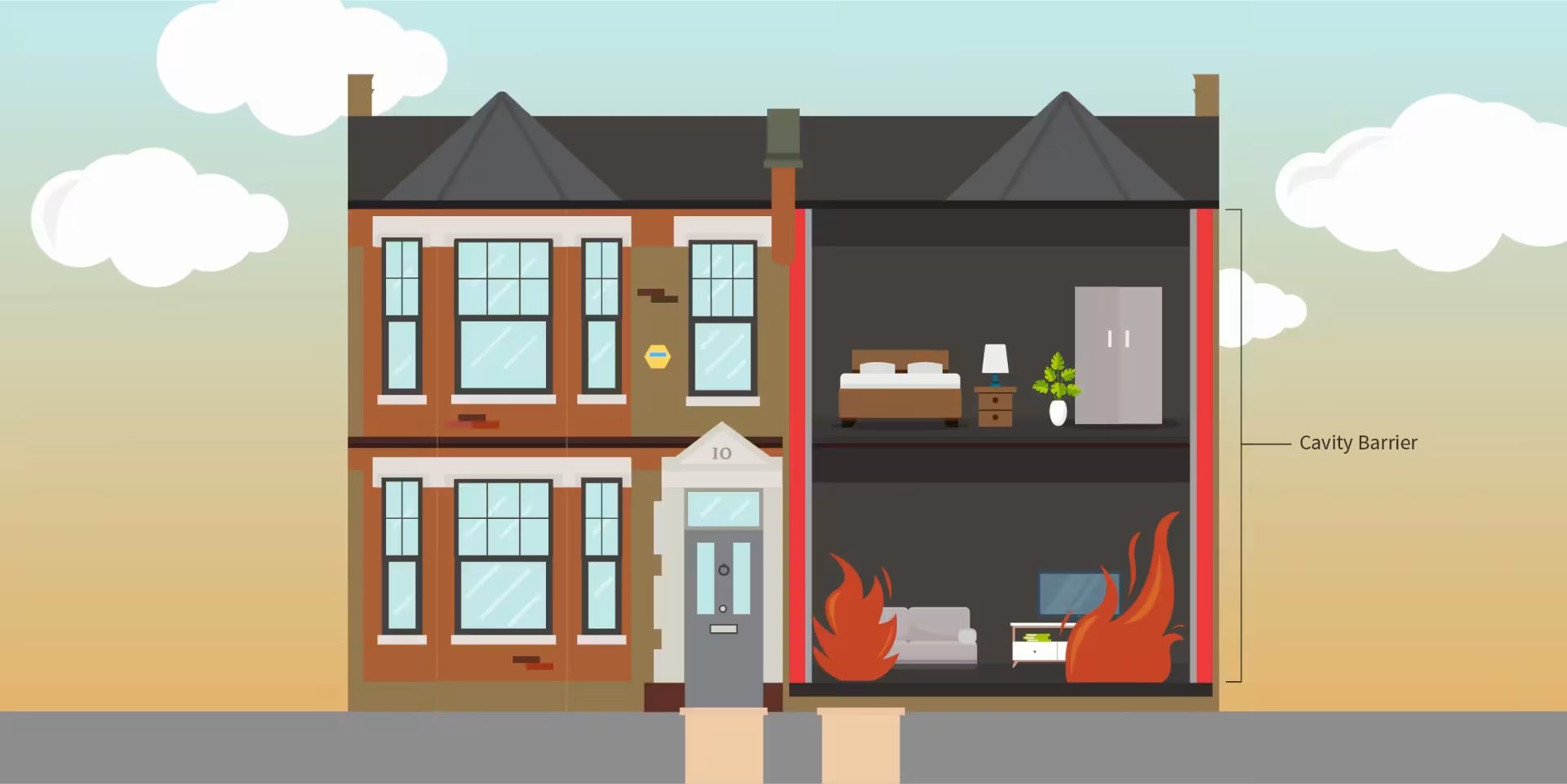
Fire cavity barriers are fire-resistant materials installed within concealed spaces, such as wall cavities, to prevent the spread of fire and smoke. These cavities, often found within external and internal walls, can act as pathways for flames and hot gases, allowing fire to spread rapidly between different parts of a building. By sealing these spaces, cavity barriers help contain fire within a specific compartment, reducing the risk of it spreading unseen.

Cavity Barrier

They are a key element of passive fire protection and are typically installed during the construction phase of a building.

Icone panneau attention

Important distinction

Cavity barriers should not be confused with cavity closers. While both are used to seal cavities, cavity closers are primarily designed to prevent moisture and air ingress and are not intended for fire resistance.

Where Are Cavity Barriers Required?

Cavity barriers are a mandatory requirement under UK Building Regulations and must be installed during construction. They are required at specific junctions within a building, including:

tick icon

at the junction between an external cavity wall and every compartment floor and compartment wall (except when walls have two leaves of masonry or concrete with a minimum thickness of 75mm);

tick icon

at the junction between an internal cavity wall and every compartment floor, compartment wall, or other wall or door assembly forming a fire-resisting barrier (same masonry exception applies).

Their placement is designed to ensure that fire cannot travel through hidden voids between compartments.

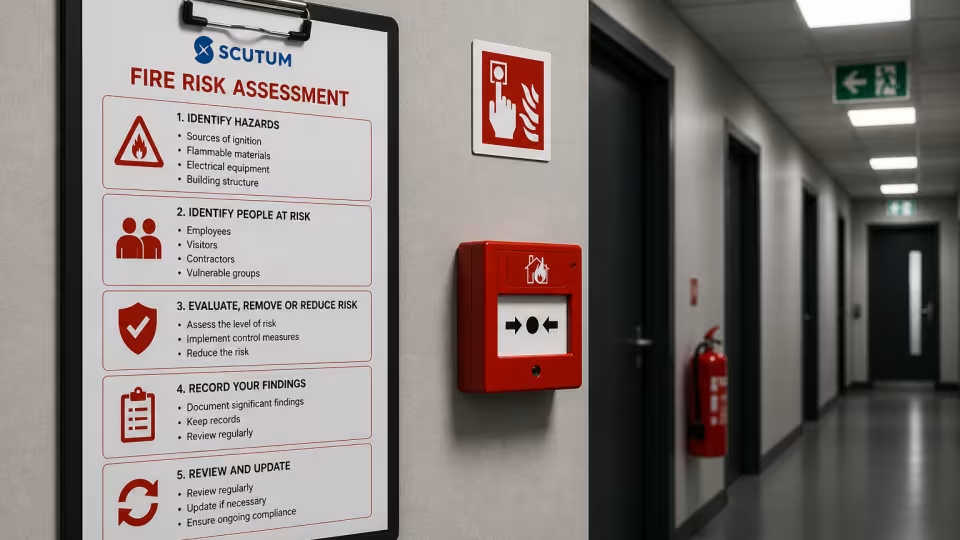
In existing buildings, particularly older properties, cavity barriers may be missing or not installed to current standards. In such cases, their presence and condition should be assessed as part of a professional fire risk assessment.

How Do Cavity Barriers Work?

Many cavity barriers are made from materials that expand when exposed to heat, effectively sealing gaps and preventing flames and smoke from passing through. By limiting the spread of fire and smoke within a building, they help contain fire to its point of origin and improve the effectiveness of other fire safety measures.

Intumescent cavity barrier.png

What Is Fire Stopping?

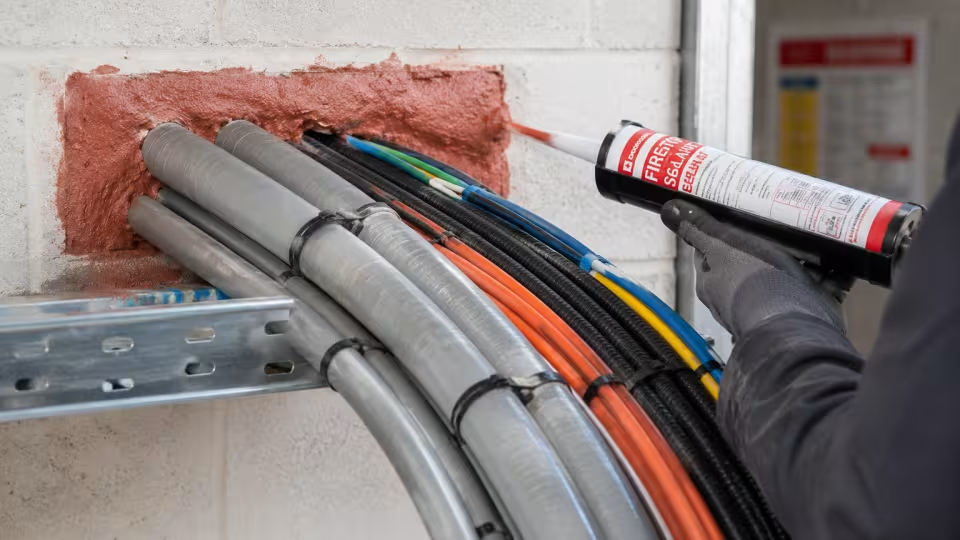
Fire stopping is the act of sealing any openings, gaps or avenues through which a fire can spread. It forms part of your passive fire protection plan and is essential to maintaining the integrity of fire compartmentalisation throughout your building.

Whether your building has been refitted for you to move into or you have had works carried out as part of a refurbishment, this could undermine your passive fire protection plan, meaning fire and smoke can spread quickly between building compartments if gaps and penetrations are not properly sealed.

What Does Fire Stopping Involve?

During fire stopping surveys, specialists can detect those areas which are vulnerable from the spread of fire. Common areas which can often require sealing include:

Fire Stopping.png
1 Joints or gaps between walls and floors
2 Openings around pipes, cables and beams
3 Newly drilled holes
4 Holes left by the removal of components

Using a variety of materials, these gaps, holes and often overlooked areas can be sealed to restore compartmentalisation of your building.

Who Is Responsible for Fire Stopping?

As the owner or manager of your space, it is your responsibility to ensure your property is safe and fully protected against fire. Refit companies and technicians hold no responsibility to protect the seal of your building compartments, making you liable if a fire occurs and spreads.

Pictogramme d'ampoule noir

Legal responsibility

Responsibility for maintaining fire stopping and passive fire protection rests with the building owner or manager, not with contractors who carry out refurbishment works. If works have been carried out on your premises, it is your obligation to ensure that fire stopping has been reinstated correctly.

Cavity Barriers and Fire Stopping: What Is the Difference?

Cavity barriers and fire stopping are often confused, but they address different aspects of passive fire protection:

tick icon

Cavity barriers

Cavity barriers are installed within concealed voids and cavities to restrict fire spread through hidden spaces within the building structure.

tick icon

Fire stopping

Fire stopping seals specific penetrations, gaps and openings in fire-resisting walls and floors, typically created by pipes, cables, beams, or building works.

Both are essential to maintaining compartmentation, but they address different fire spread risks. A building may require both, and neither should be overlooked following any construction or refurbishment works.

Fire Stopping and Cavity Barrier Services from Scutum

Whether you would like a fire stopping survey or a full risk assessment for your building, Scutum are leading specialists with decades of experience. If your building requires fire stopping services, we deploy FIRAS approved contractors to your site to carry out any necessary work, giving you peace of mind.

For businesses and property owners, ensuring that cavity barriers are correctly installed and maintained is essential for compliance, safety, and protecting both people and assets.

Scutum technician with service van
File

FIRAS

FIRAS is a UKAS-accredited certification scheme for companies working in passive fire protection. Deploying FIRAS approved contractors gives you confidence that fire stopping works are carried out to the required standard and are independently assessed for quality and compliance.

Arrange a Fire Stopping Survey

Contact Scutum today to find out more about fire stopping for your building or to arrange a full risk assessment for your property, where we will analyse your passive fire protection arrangements.

Get in touch with Scutum to book a fire stopping survey or fire risk assessment.