Submitted by editor on
published on 26/03/2026

Fire Doors: What You Need to Know

Fire doors are a critical part of any building’s fire safety strategy, helping to prevent the spread of fire and smoke while protecting escape routes. As both a legal requirement and a life-saving measure, fire doors must be correctly specified, installed, and maintained to ensure they perform effectively in an emergency.

What Are Fire Doors & How Do They Work?

Fire doors are specially designed doors that resist fire and smoke for a set period of time. They help contain fire within a specific area of a building, giving occupants more time to evacuate safely and allowing emergency services to respond.

They are constructed from fire-resistant materials such as timber, steel, or composite materials, and include components like frames, seals, hinges, and glazing that all contribute to their performance. Intumescent  seals are a key feature, expanding when exposed to heat to close gaps around the door and prevent the passage of smoke and flames.

Fire doors must remain closed when not in use, often supported by automatic closing devices to ensure they are effective at all times.

What Are the Rules & Regulations Surrounding Fire Doors?

Fire doors are classified by how long they can withstand fire, with common ratings including FD30 and FD60, indicating 30 and 60 minutes of fire resistance respectively. Higher ratings are used in specific environments where greater protection is required.

In the UK, fire doors are governed by regulations including the Regulatory Reform (Fire Safety) Order 2005 and Approved Document B of the Building Regulations. These outline where fire doors should be installed, how they should perform, and the standards they must meet.

British Standards, such as BS EN 1634, provide guidance on fire resistance testing and performance, ensuring that fire doors meet recognised safety benchmarks.

Where Should Fire Doors Be Installed?

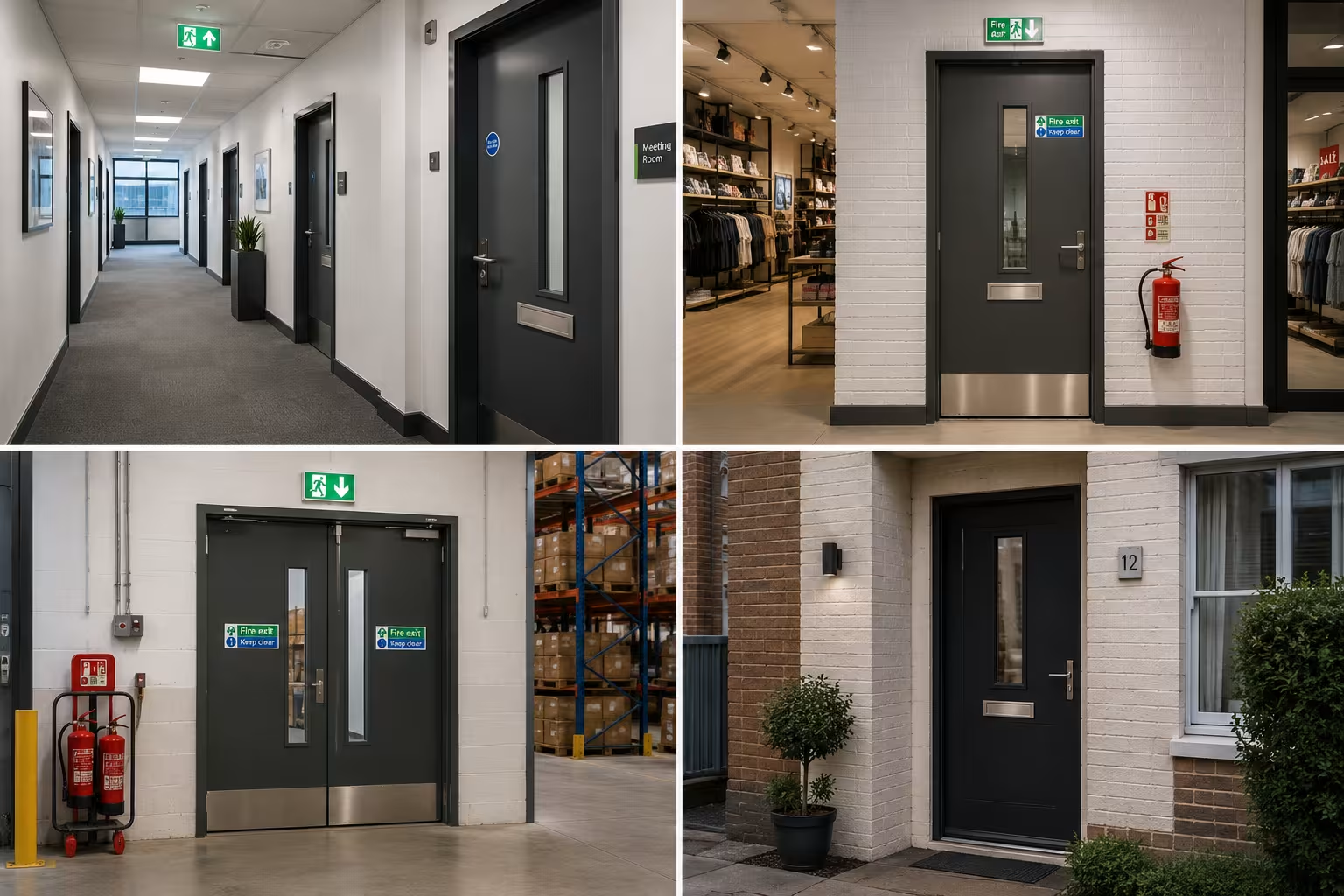
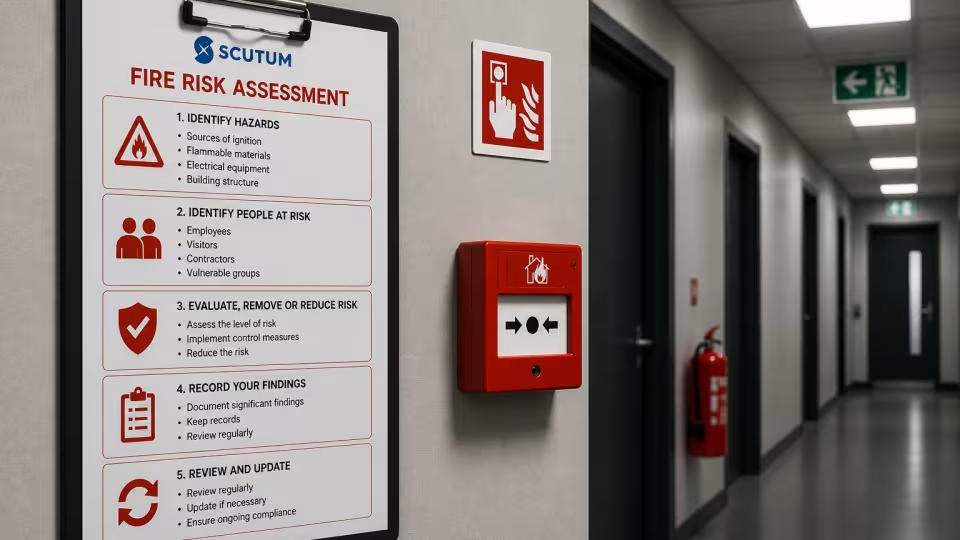
Fire doors are typically installed in key locations throughout a building, including along escape routes, between different areas, and in highe-risk zones. Their placement is determined through a fire risk assessment, ensuring they support the overall fire safety strategy.

Responsibility for fire doors lies with the building owner or designated responsible person, who must ensure that doors are correctly installed, regularly inspected, and properly maintained. All work should be carried out by competent professionals to ensure compliance and performance.

At Scutum, we provide expert fire door installation, inspection, and maintenance services, helping businesses stay compliant while protecting people, property, and operations.