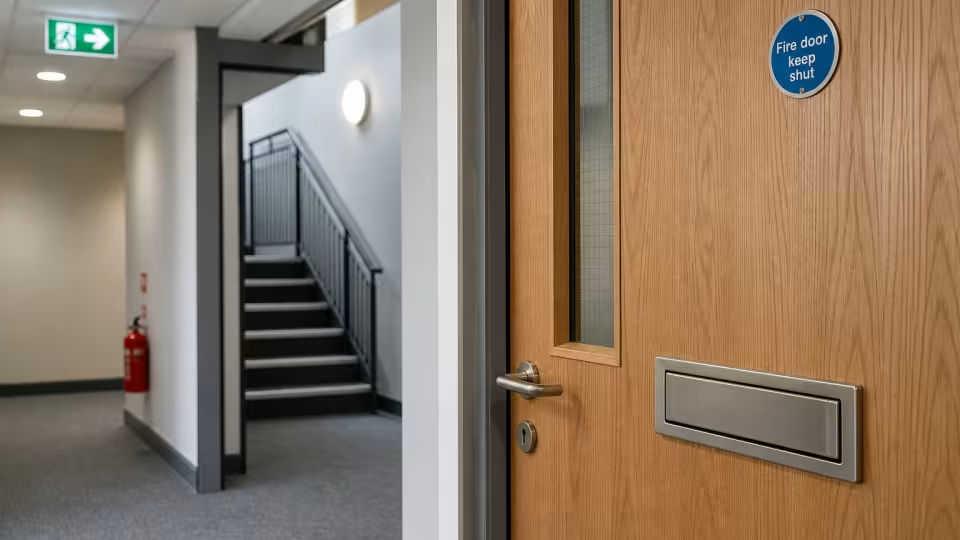
In addition, many arson attempts begin through doors and letterboxes, making it even more important that your premises are protected. This guide covers the different types of letterbox system available, the benefits of passive fire protection, and how the right solution can protect your building and everyone within it.

Publications
Fire Doors Letterboxes Essential Fire Protection
published on 25/03/2026
Fire Doors & Letterboxes: Essential Fire Protection
Fire doors and letterbox systems are a vital part of any building's fire protection plans. Whether internal or external, your doors form part of your escape route, making it crucial that as many of them as possible remain functional during an evacuation. Fire resistant doors and letterboxes can also dramatically slow the spread and development of a fire, containing it within a specific area and reducing the damage to life and property.
What is Passive Fire Protection?
Passive Fire Protection (PFP) is an umbrella term for all fire safety products designed to contain or slow the spread of fire. These products work by compartmentalising a building, separating it into distinct areas through the use of fire-resistant walls, floors and doors. This approach limits the spread of fire and smoke, reducing damage to the building and giving occupants more time to evacuate safely.
Fire-resistant letterboxes are a seemingly small but hugely important element of passive fire protection. Any fire door that requires a letterbox opening, such as front or external doors, must incorporate a fire-retardant letterbox system in order to maintain the door's protective purpose. A letterbox that does not meet the required standard effectively creates a weak point in your fire barrier.
Fire Inhibiting Letterboxes: What Are the Options?
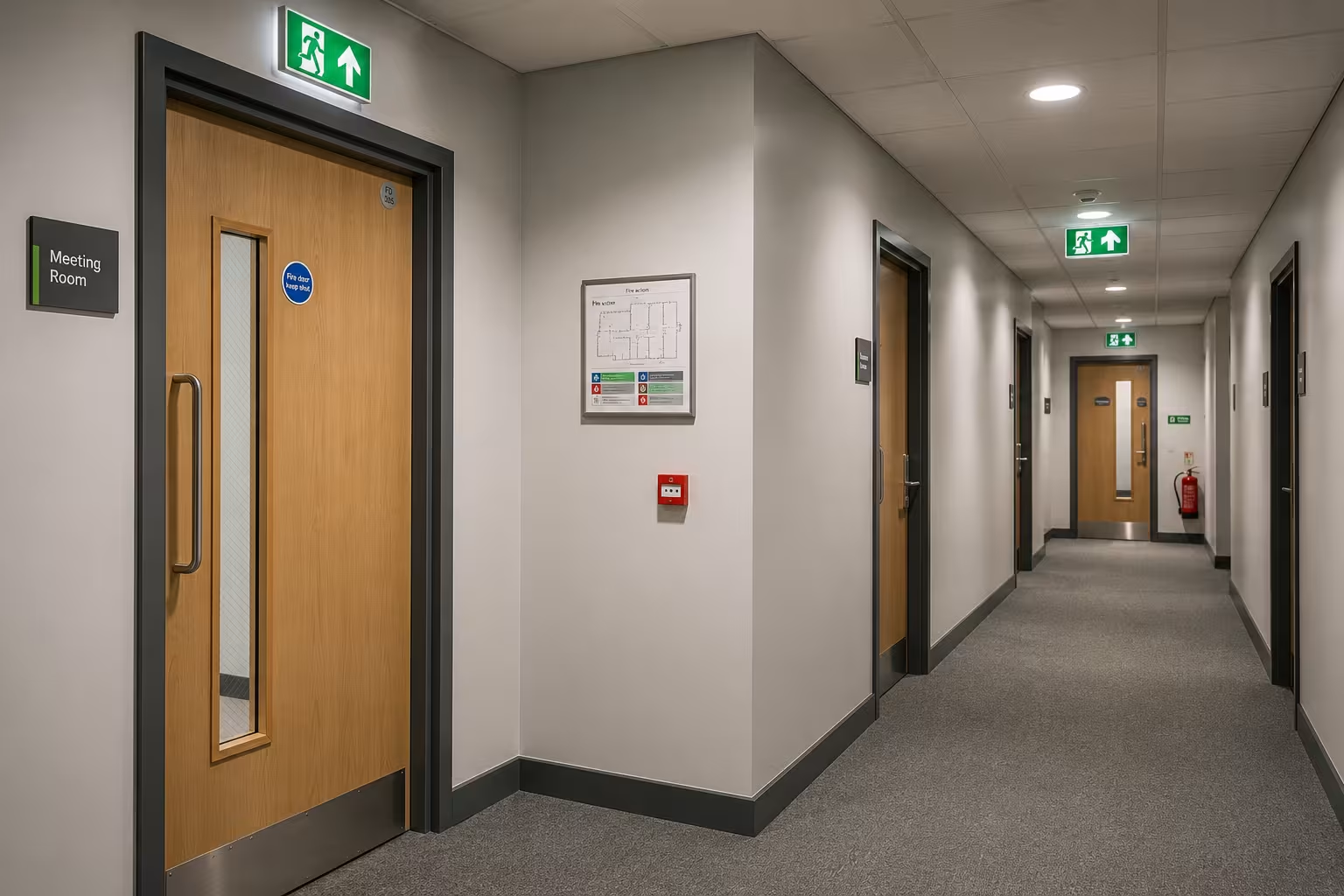
There are two main types of fire retardant letterbox system: intumescent letterbox systems and anti-arson letterboxes. Although they work differently and serve different primary functions, both aim to protect your building from the threat of fire. Depending on your environment and risk profile, one may be more suitable than the other.

Intumescent Letterbox Systems
Intumescent letterbox systems use intumescent technology to protect your property. Primarily designed to contain the spread of fire, they are offered as 30 or 60 minute fire-rated systems and will protect your building for the corresponding period.
They work by incorporating a high-performance intumescent liner within the letterbox frame. In the event of a fire, this liner expands rapidly and seals the letterbox aperture, maintaining the integrity of the fire door and preventing flames and smoke from passing through the opening.
Intumescent letterboxes are most commonly used in commercial environments such as retail outlets and offices. Rather than protecting against deliberate arson, their primary role is fire compartmentalisation, supporting your fire doors in preventing the spread of fire to other areas and allowing employees, clients and visitors to evacuate safely and in good order.
These systems are tested to British Standard BS 476 Part 22 (1987) and European Standard EN 1634-1 (2000). They are available in a range of sizes and offered in a variety of finishes and frames, including polished silver, polished gold, chrome and stainless steel, making them suitable for both functional and design-conscious environments.
Anti-Arson Letterboxes
Anti-arson letterboxes and fireproof mail bags are designed to protect homes and commercial buildings from the threat of deliberately started fires. They work by containing any flammable liquid poured through the letterbox opening, such as petrol, and are also designed to extinguish a fire at the point of entry. This is achieved either through an integrated automatic fire extinguisher, or as a result of the bag's material swelling under heat and subsequently suffocating the flame.
Anti-arson letterboxes are particularly well-suited to areas or individual properties that are susceptible to arson and vandalism. They are often installed in homes where the occupants have received threats, as well as in commercial properties looking to provide an additional layer of protection for their premises and the people within them.
A wide range of anti-arson letterbox solutions is available, including complete letterbox systems and mailbags that can be attached to an existing letter opening. They are offered in various sizes and finishes and can be installed on almost any type of door, including wooden and uPVC doors.
Where Should Fire Doors and Letterboxes Be Used?
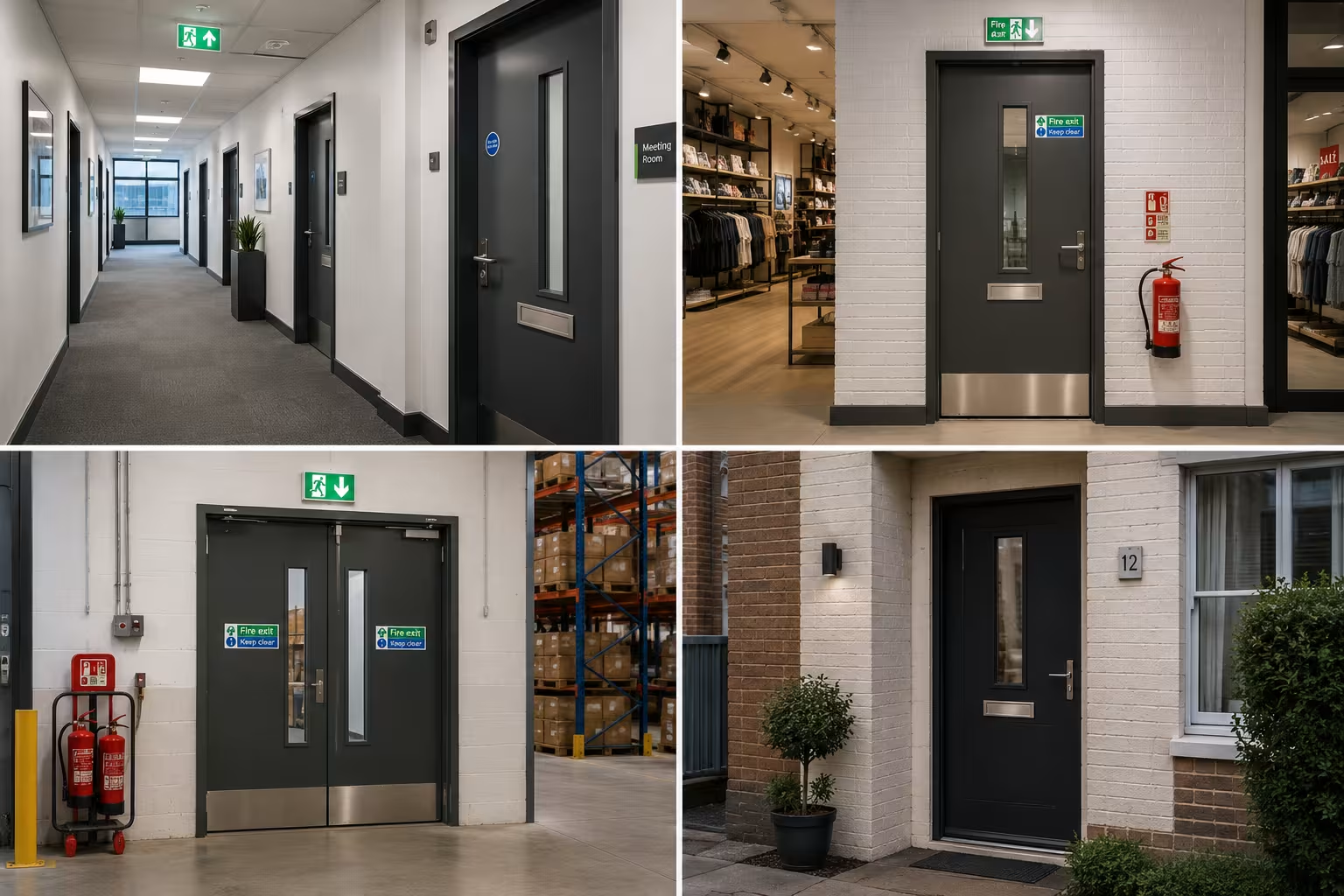
Fire doors and letterbox systems are used across a wide range of environments, including residential buildings, offices, retail spaces, warehouses and public sector properties. They are particularly important in buildings where secure entry points and fire safety must be carefully balanced.
Intumescent letterboxes are the standard choice for commercial environments where fire compartmentalisation is the primary concern. Anti-arson systems are more commonly found in higher-risk locations, both residential and commercial, where there is a specific concern about deliberate fire-setting.
In both cases, selecting the right type of fire-rated letterbox system helps building owners meet their legal obligations under fire safety regulations, support safe evacuation, and protect both occupants and property.
Need Advice on Fire Doors and Fire-Rated Letterboxes ? Contact us to discuss your project and find the right passive fire protection solution for your premises.