Submitted by editor on
Extinguishers
published on 25/03/2026

ANPR Vehicle Registration

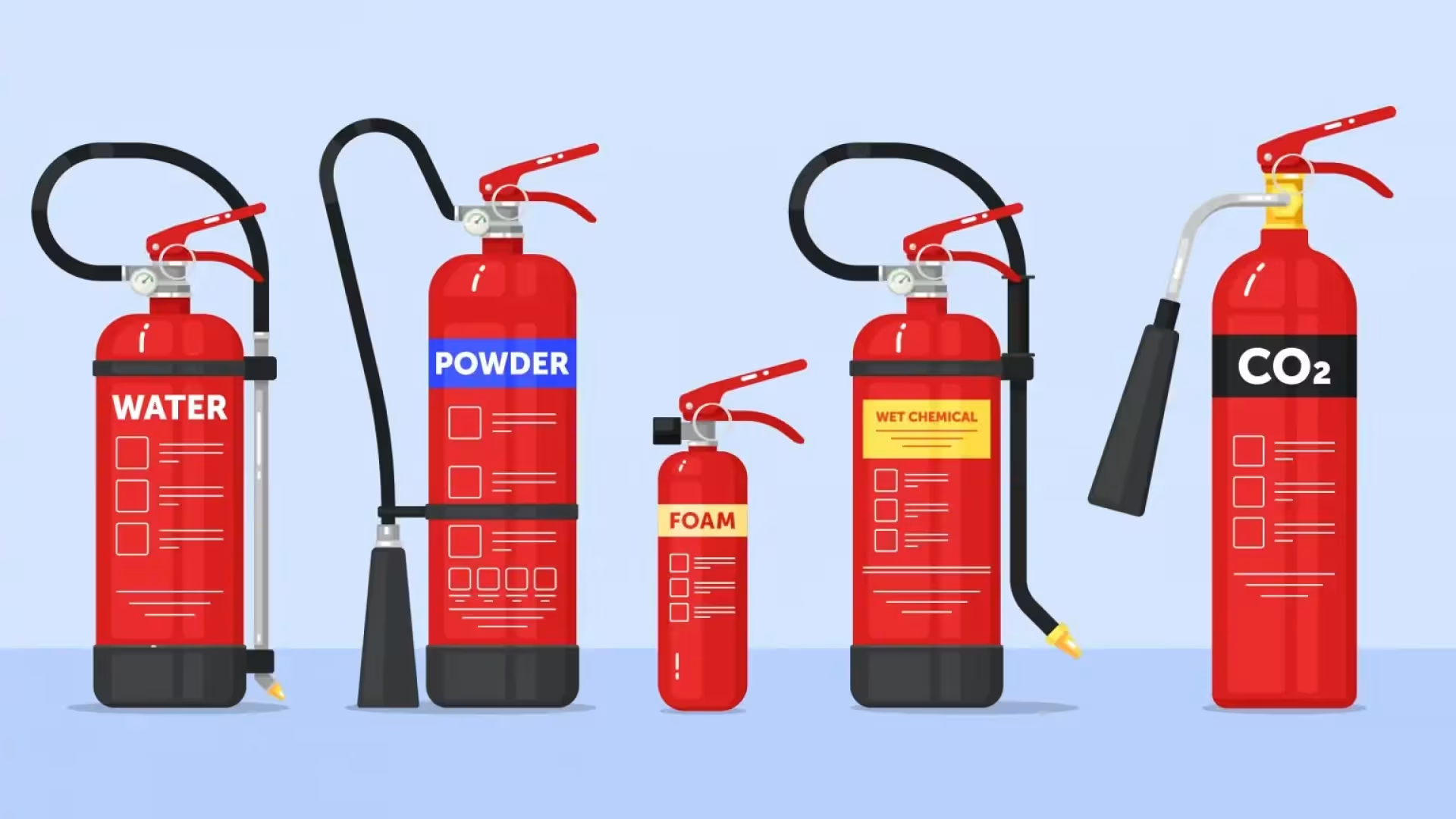
Different types of fire extinguishers are designed to tackle different types of fires, from everyday materials like paper and wood to electrical equipment, flammable liquids, and cooking oils. The effectiveness of each extinguisher depends on the chemicals it contains and how those substances interact with fire. Understanding these differences is essential for safe and effective fire protection.

What Chemicals Are Used?

Fire extinguishers contain a range of substances depending on their intended use. Water extinguishers use H₂O to cool fires involving solid materials such as wood, paper, and textiles. CO₂ extinguishers contain carbon dioxide, which works by removing oxygen and cooling the fire, making them ideal for electrical and flammable liquid fires.

Foam extinguishers contain chemical compounds such as PFHxA, which form a film over the surface of a fire, cutting off the oxygen supply. Powder extinguishers typically contain mono-ammonium phosphate, which interrupts the chemical reaction of the fire and helps to smother it. Wet chemical extinguishers use potassium-based compounds, such as potassium acetate, to cool and seal burning oils, making them suitable for kitchen fires.

Specialist extinguishers for lithium-ion battery fires use a combination of water and materials such as vermiculite to cool the fire and create a barrier that prevents re-ignition.


How They Work

Each type of extinguisher works by targeting one or more elements of the fire triangle: heat, fuel, and oxygen. Water extinguishers remove heat by cooling the fire, while CO₂ and foam extinguishers reduce the oxygen supply needed for combustion.

Powder extinguishers work by interrupting the chemical reaction of the fire, effectively stopping it from sustaining itself. Wet chemical extinguishers both cool the fire and create a protective layer over burning oils to prevent re-ignition. Lithium-ion battery extinguishers combine cooling with the creation of a protective barrier to contain the fire safely.

Using the correct extinguisher is critical, as the wrong chemical can be ineffective and sometimes dangerous.

Choosing the Right Extinguisher

Selecting the correct fire extinguisher is essential for both safety and compliance. Different fire risks require different extinguishing methods, and using the wrong type can increase danger or cause the fire to spread.

In commercial and industrial environments, fire risk assessments help determine the appropriate extinguishers for each area. Proper training, maintenance, and clear signage also ensure that extinguishers can be quickly identified and used in an emergency.

By understanding the chemicals used in fire extinguishers and how they work, businesses can improve fire safety, protect their premises, and ensure they are prepared to respond quickly and safely in the event of a fire.