Submitted by editor on
published on 23/03/2026

What is a Fire Suppression System?
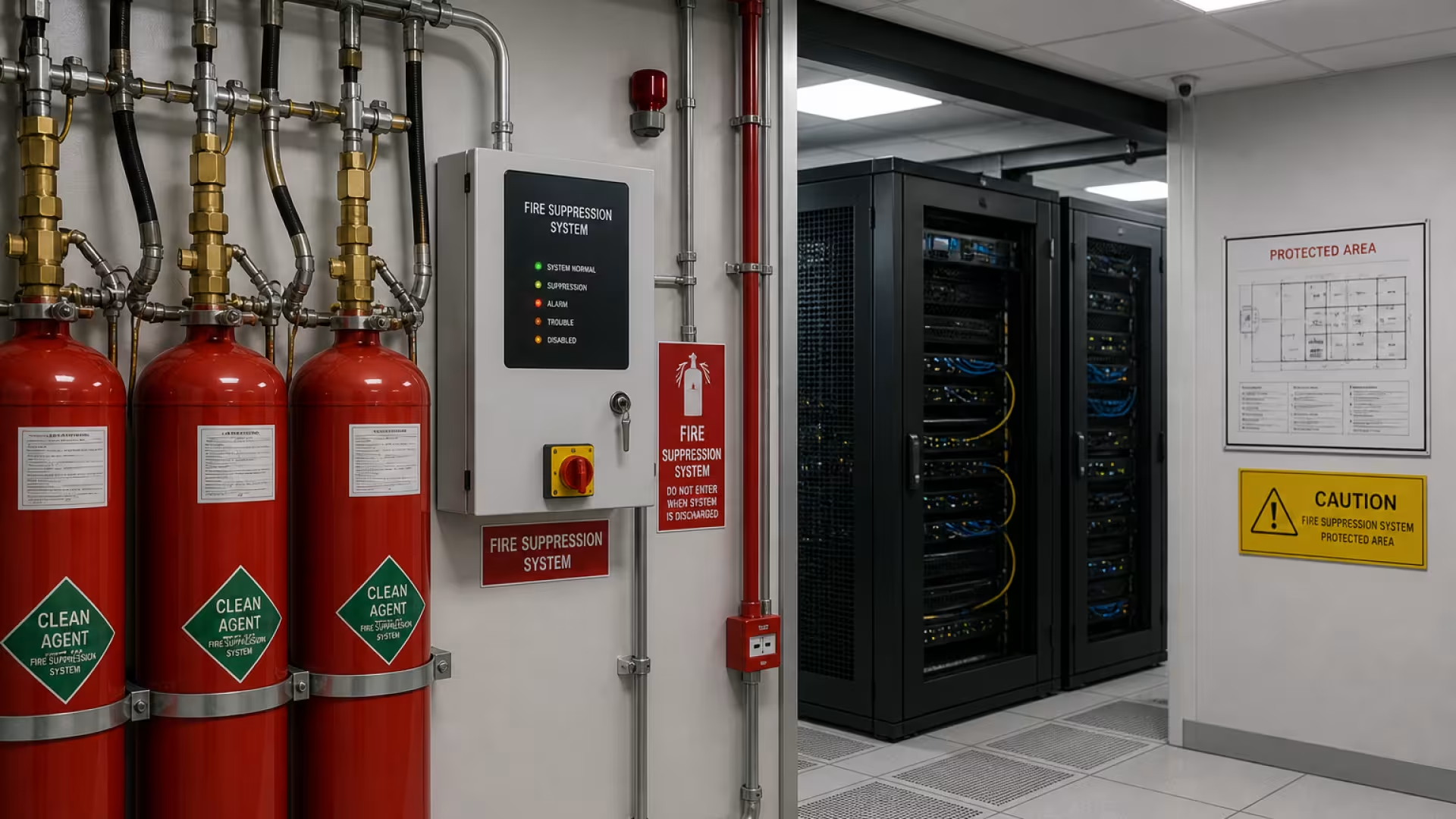
The modern world and its reliance on technology and electronics means that we need an ever-greater array of tools to deal with the different fire risks present in today’s commercial premises. One increasingly popular solution is the fire suppression system.

But what is a it, how does it work and how does it differ from other fire control systems?

What is a Fire Suppression System?

A fire suppression system is an advanced fire protection solution designed to detect and extinguish fires automatically, often before they can spread. Unlike traditional fire protection methods such as sprinklers, these systems use specialised agents, such as gas or clean agents, to suppress fire without causing damage to sensitive equipment or environments.

They are particularly suited to locations where business-critical assets, electronics, or valuable goods must be protected, and where water-based systems may not be appropriate.


How Does it Work?

A fire suppression system begins with high-performance detection, often using technologies such as aspirating smoke detection (ASD). These systems continuously monitor air quality and can identify the earliest signs of a potential fire, even before visible smoke is present.

Once a risk is detected, the system automatically activates and releases an extinguishing agent. In many critical environments, gas-based systems such as CO₂ or clean agents are used. These work by reducing oxygen levels or interrupting the combustion process, rather than cooling the fire like water.

To ensure maximum effectiveness, protected areas are typically sealed so the extinguishing agent can reach the required concentration to suppress the fire quickly and prevent re-ignition.

Where are Fire Suppressant Systems Used?

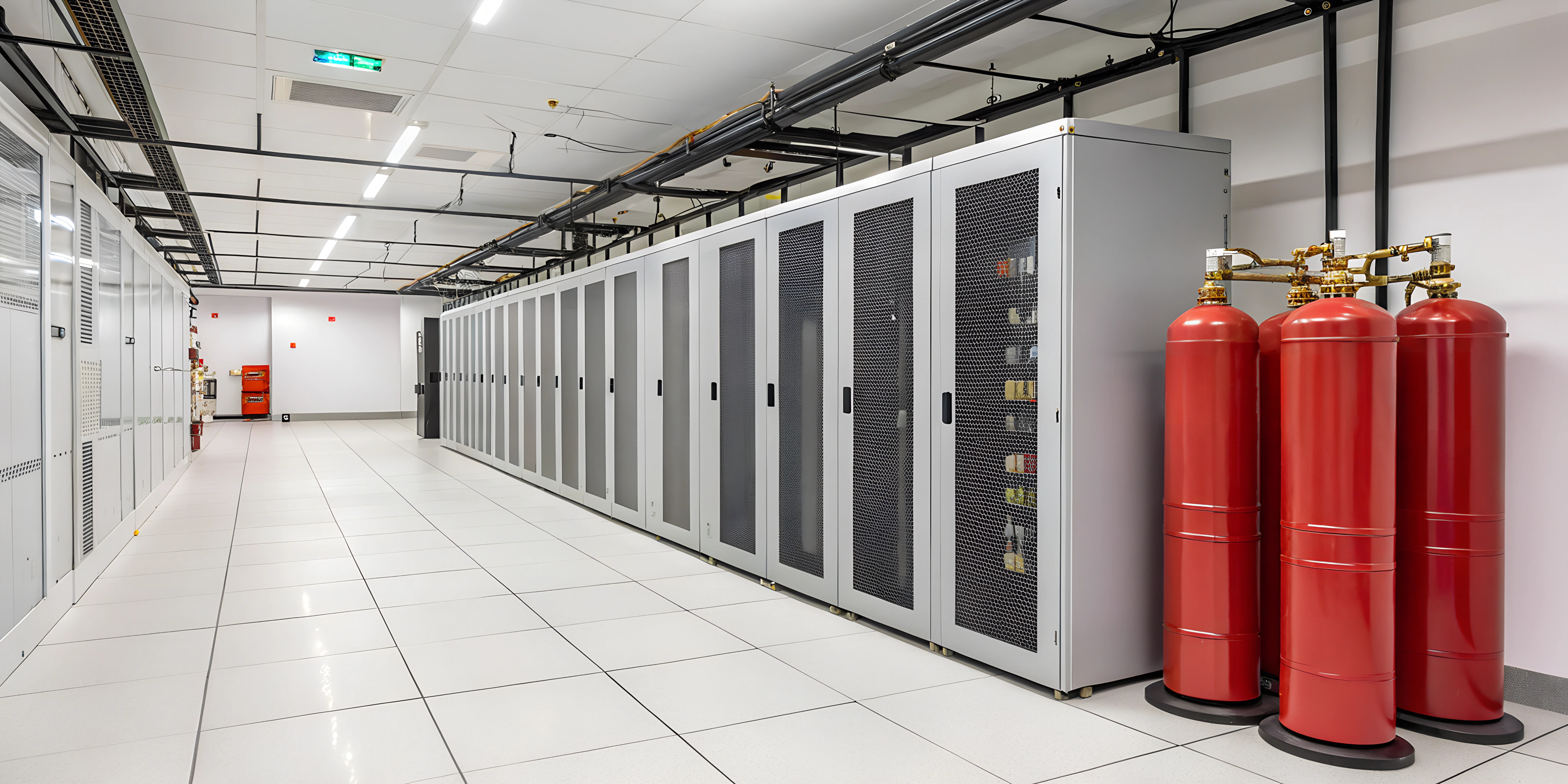
Fire suppression systems are commonly used in environments where rapid response and minimal damage are essential. This includes server rooms, data centres, electrical installations, control rooms, warehouses, and commercial premises.

They are also widely deployed in retail and logistics environments where valuable stock, infrastructure, and operational continuity must be protected. By combining early detection with fast-acting suppression, these systems help reduce downtime, protect assets, and support safer working environments.