Submitted by editor on
published on 25/03/2026

Intruder Alarms

Intruder alarm systems are a key part of protecting commercial and residential premises from unauthorised access and crime. With a wide range of technologies available, choosing the right system can be challenging. Understanding the different types of intruder alarms and how they work can help you select the most effective solution for your security needs.

What Are the Different Types of Intruder Alarms?

Intruder alarm systems use a variety of detection methods to identify unauthorised access. Motion detector systems are among the most common, detecting movement within a building and triggering an alarm when activity is identified outside of normal operating hours.

Glass-break sensors provide an earlier warning by detecting the sound or vibration of breaking glass, helping to deter intruders before entry is gained. Perimeter alarm systems extend protection beyond the building itself, using a combination of sensors and cameras to monitor the outer boundaries of a site.

Each system offers different levels of protection, and in many cases, a combination of these technologies is used to provide a more comprehensive security solution.


How Different Intruder Systems Work

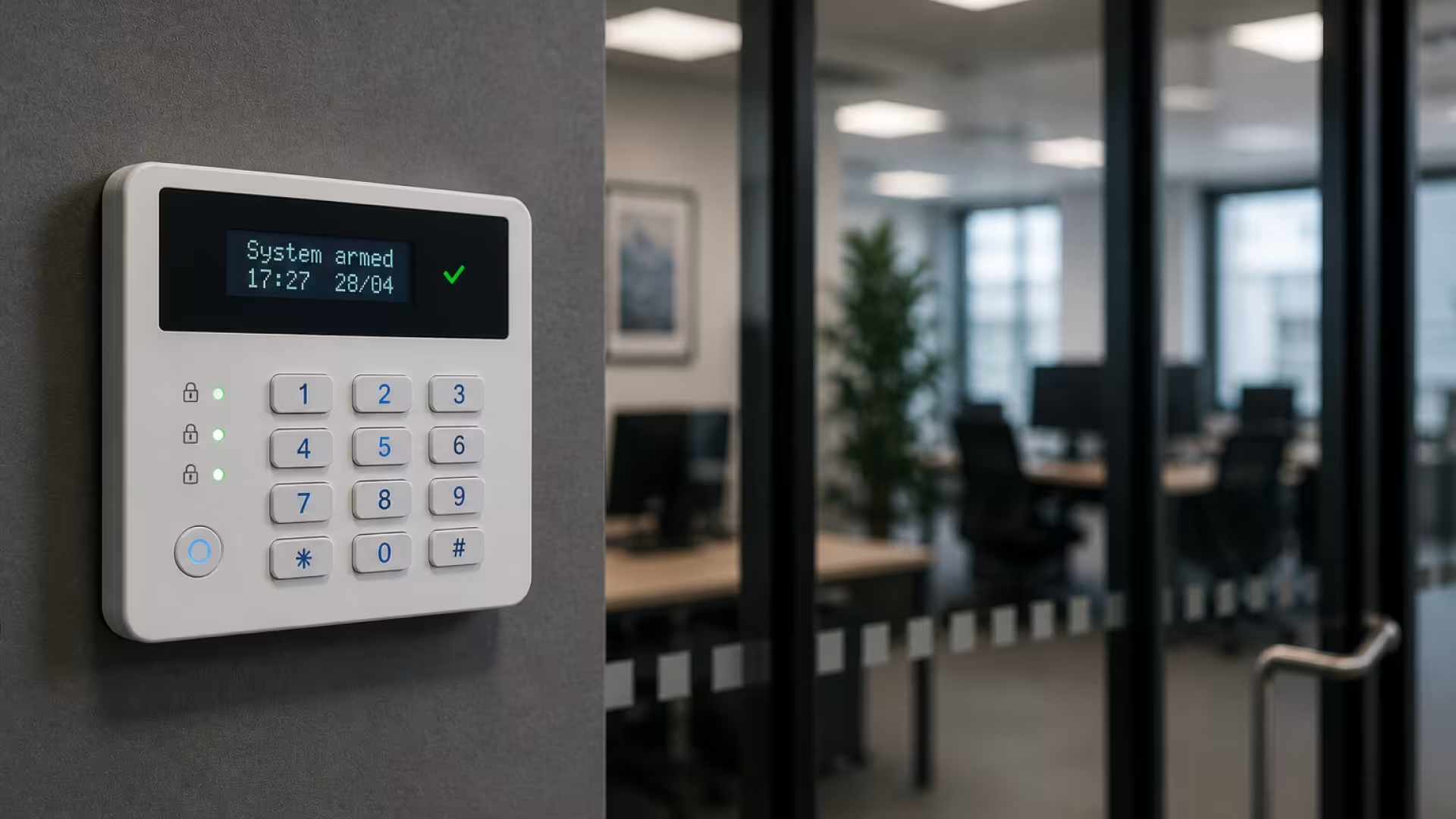
Intruder alarm systems operate by detecting changes in the environment and sending signals to a central control panel, which then triggers an alert. Motion sensors typically detect changes in heat or movement, while glass-break sensors respond to specific frequencies or vibrations associated with breaking glass.

Perimeter systems may use infrared beams, pressure sensors, or video analytics to detect activity at the boundary of a property. Once triggered, the system can activate alarms, notify security personnel, or send alerts directly to a mobile device or monitoring centre.

The effectiveness of any system depends on correct placement, configuration, and integration with other security measures such as CCTV and access control.

Choosing the Right Intruder Alarm

Intruder alarm systems can be installed as wireless, hardwired, or hybrid solutions. Wireless systems are quick to install and flexible, making them suitable for both residential and commercial environments. Hardwired systems offer strong reliability and are less prone to interference, making them ideal for larger or more complex sites.

Hybrid systems combine both approaches, allowing businesses to benefit from the stability of wired systems while maintaining the flexibility of wireless components. The best solution will depend on factors such as building layout, risk level, and operational requirements.

For businesses, working with a professional security provider ensures that systems are designed and installed correctly, providing effective protection and long-term reliability.