Submitted by editor on
published on 24/03/2026

The Risks of Smart Plugs?

What are Smart Plugs & Are They Safe?

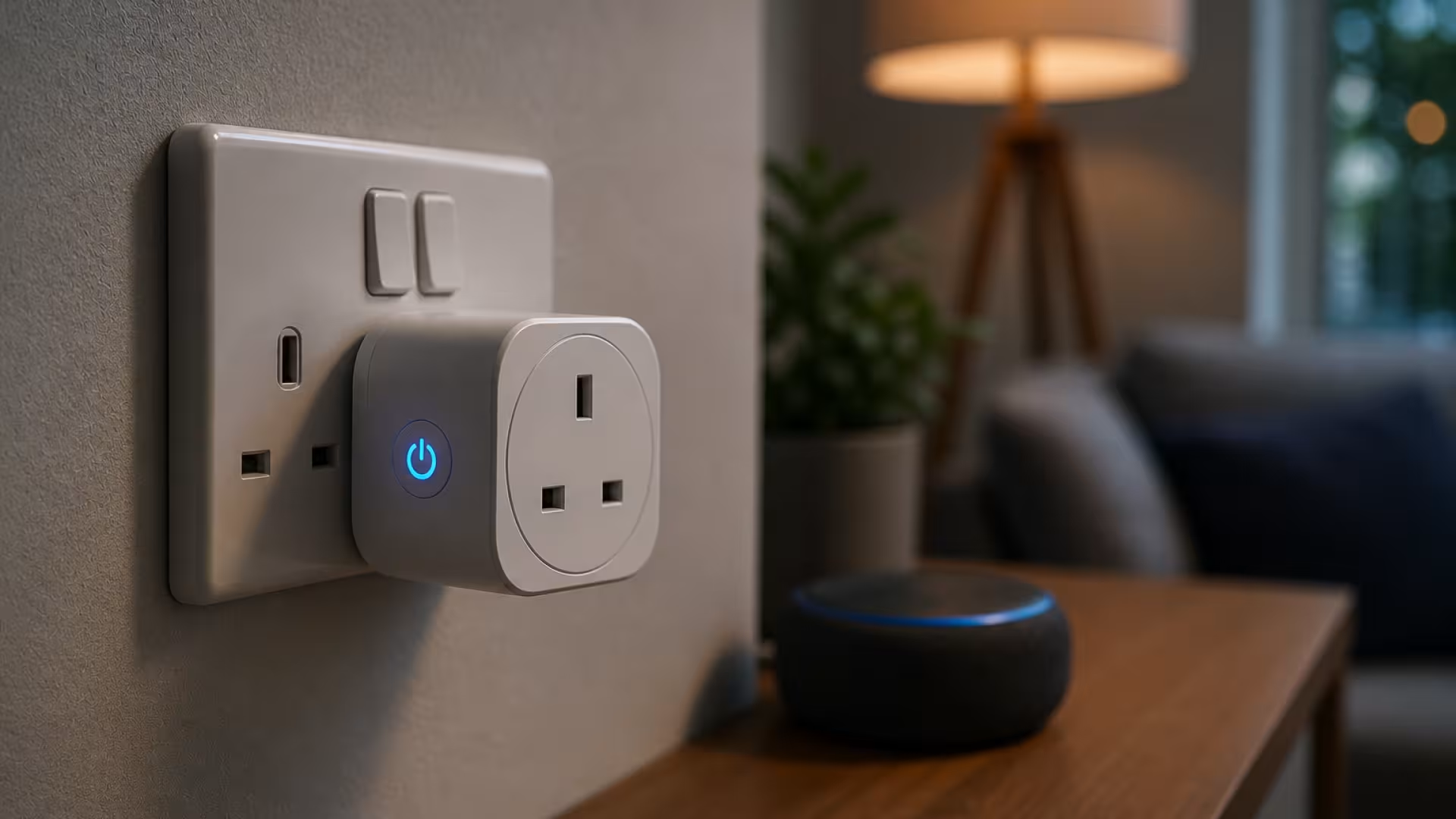
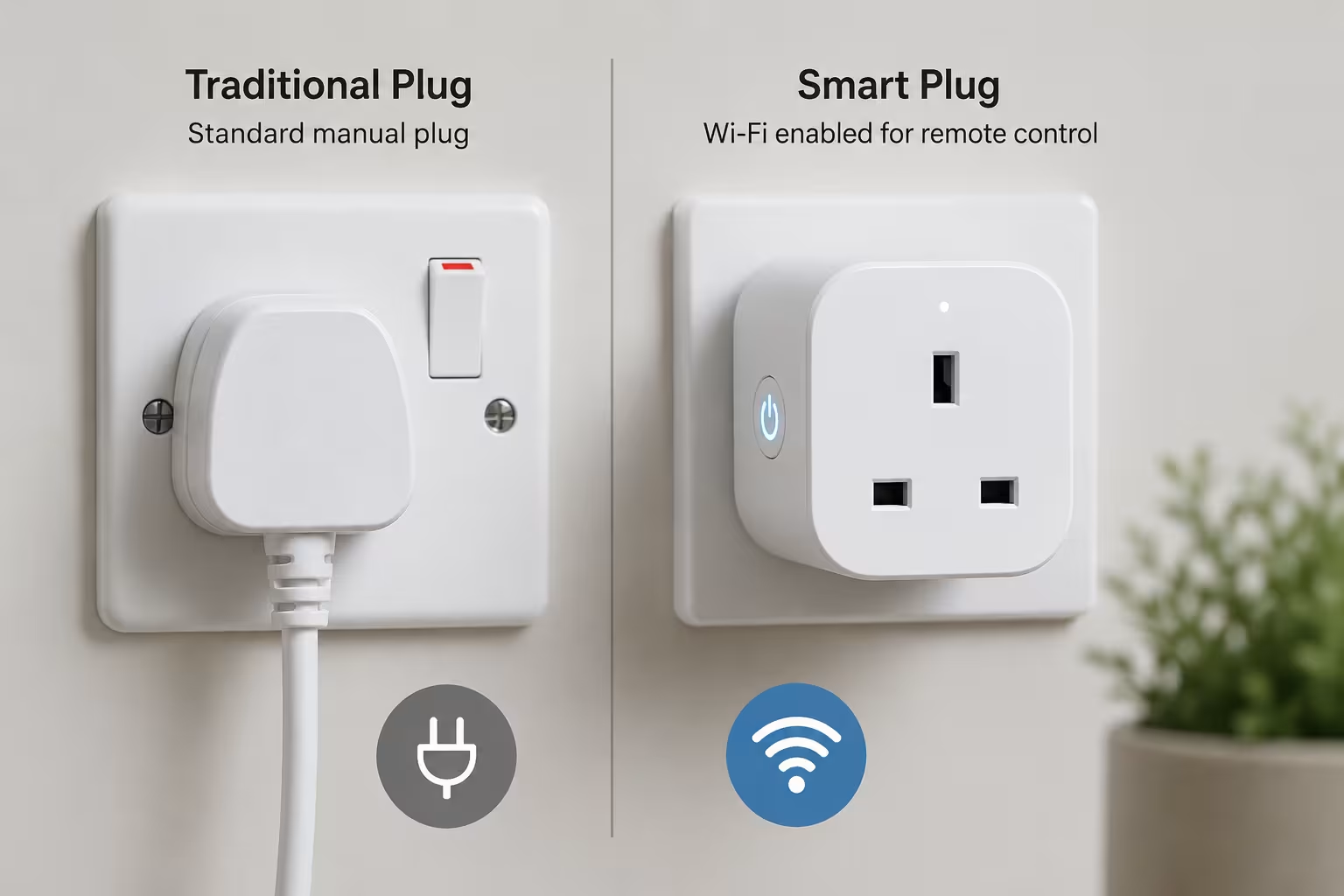
Smart plugs are similar in appearance to standard plugs but offer remote control functionality via a smartphone or tablet. They allow users to turn appliances on or off from anywhere and schedule usage at specific times, improving convenience and energy efficiency.

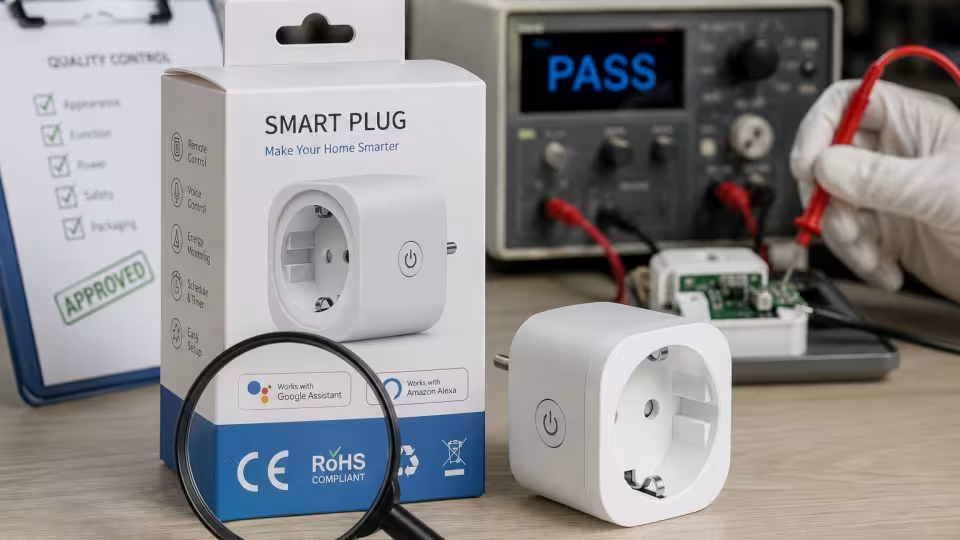
In most cases, smart plugs are safe to use, provided they meet recognised safety standards. It is important to choose products that include features such as surge protection, overheating protection, and flame-retardant materials. Certification marks such as CE indicate that the device has been tested and complies with safety requirements.

However, users should also consider how these devices are used. If a smart plug loses connection, it may affect appliances that rely on continuous power, such as freezers or medical equipment, which could have serious consequences.

Smart plugs are now widely used in homes and workplaces, offering greater convenience and control over electrical devices. While they provide clear benefits, they also introduce potential risks that should be understood and managed. Knowing how smart plugs work and how to use them safely is key to protecting both people and property.

Are Smart Plugs a Fire or Security Risk?

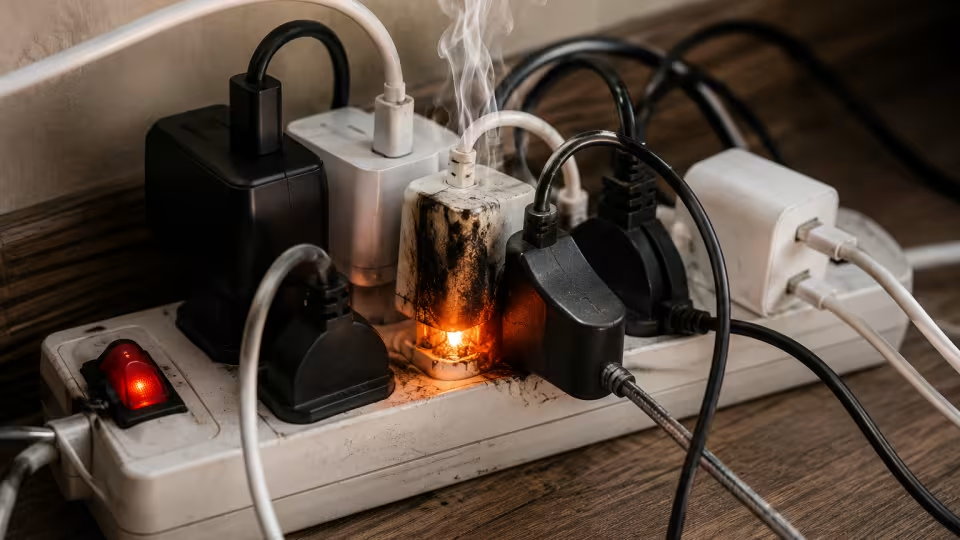
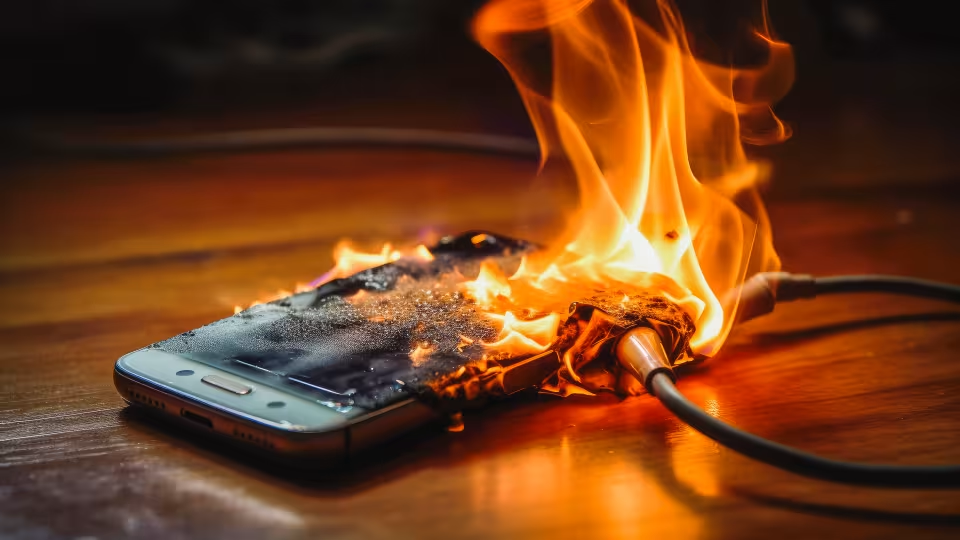
Like any electrical device, smart plugs can present a fire risk if used incorrectly. Overloading sockets, exceeding maximum wattage, or using low-quality products can increase the likelihood of electrical faults, which in extreme cases may lead to fire.

Security is another consideration. As connected devices, smart plugs can be vulnerable to hacking if not properly secured. Weak encryption or outdated software may allow unauthorised access to connected systems, potentially affecting other devices on the same network. While manufacturers continue to improve security standards, users should remain vigilant.

Choosing reliable, certified products and keeping software up to date significantly reduces both fire and cybersecurity risks.

Reducing the Risks of Smart Plugs

The safe use of smart plugs depends on both product quality and user behaviour. Devices should always be used within their rated capacity, and sockets should never be overloaded. It is also important to avoid purchasing low-cost or unverified products, as these may not meet safety standards.

Regular software updates are essential to maintain security and protect against vulnerabilities. Users should also ensure their Wi-Fi networks are secure and use strong passwords to limit the risk of unauthorised access.

By following these precautions, smart plugs can be used safely and effectively, providing convenience without compromising safety or security.