Submitted by editor on
Cavity Barrier
published on 24/03/2026

UK Fire Cavity Barriers - A Guide

Fire cavity barriers are a critical part of passive fire protection in buildings, helping to prevent the spread of fire and smoke through hidden spaces. Recent reports have highlighted issues with missing or poorly installed cavity barriers in UK homes, reinforcing the importance of understanding their role in fire safety and ensuring proper installation.

What are Fire Cavity Barriers?

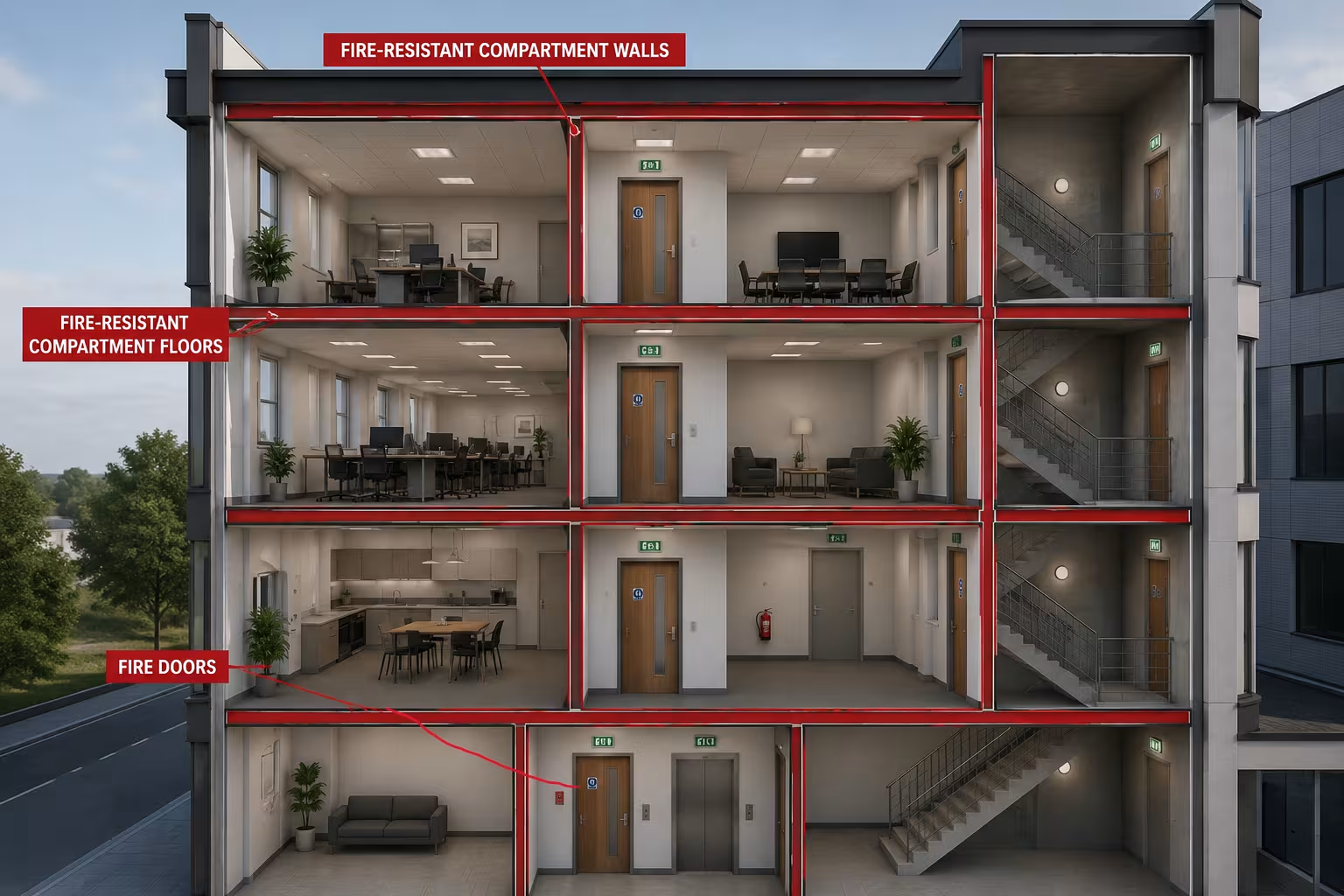
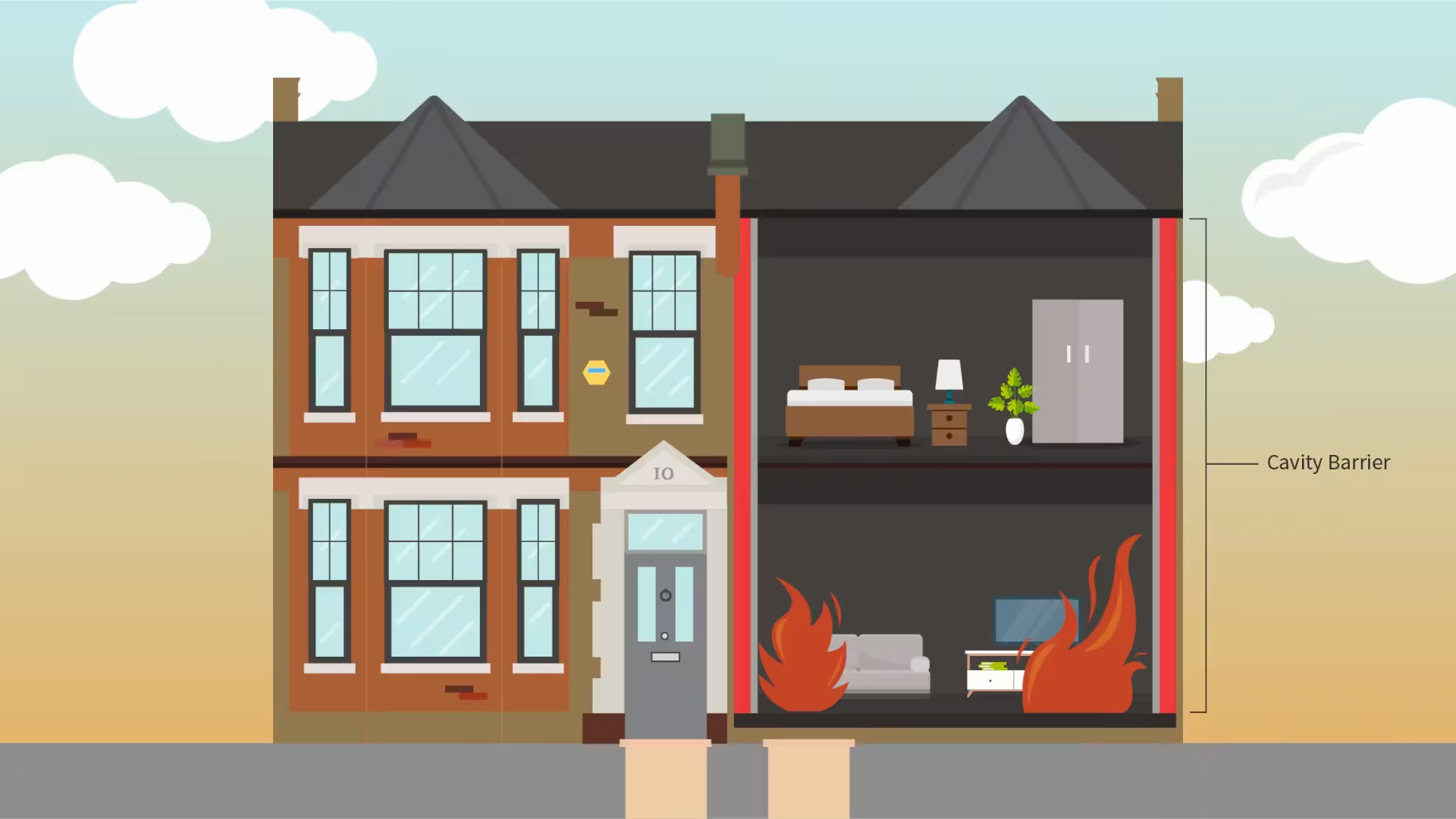
Fire cavity barriers are fire-resistant materials installed within concealed spaces, such as wall cavities, to prevent the spread of fire and smoke. These cavities, often found within external and internal walls, can act as pathways for flames and hot gases, allowing fire to spread rapidly between different parts of a building.

By sealing these spaces, cavity barriers help contain fire within a specific compartment, reducing the risk of it spreading unseen. They are a key element of passive fire protection and are typically installed during the construction phase of a building.

It is important to distinguish cavity barriers from cavity closers. While both are used to seal cavities, cavity closers are primarily designed to prevent moisture and air ingress and are not intended for fire resistance.

When Should They be Installed?

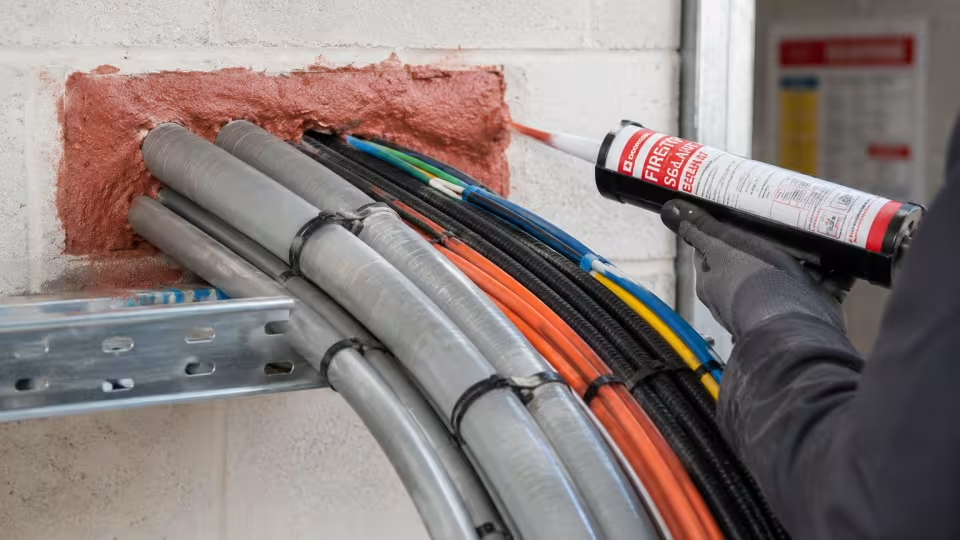
Cavity barriers are a mandatory requirement under UK Building Regulations and must be installed during construction by the building contractor. They are required at key junctions within a building, including where cavity walls meet floors, compartment walls, and other fire-resisting elements.

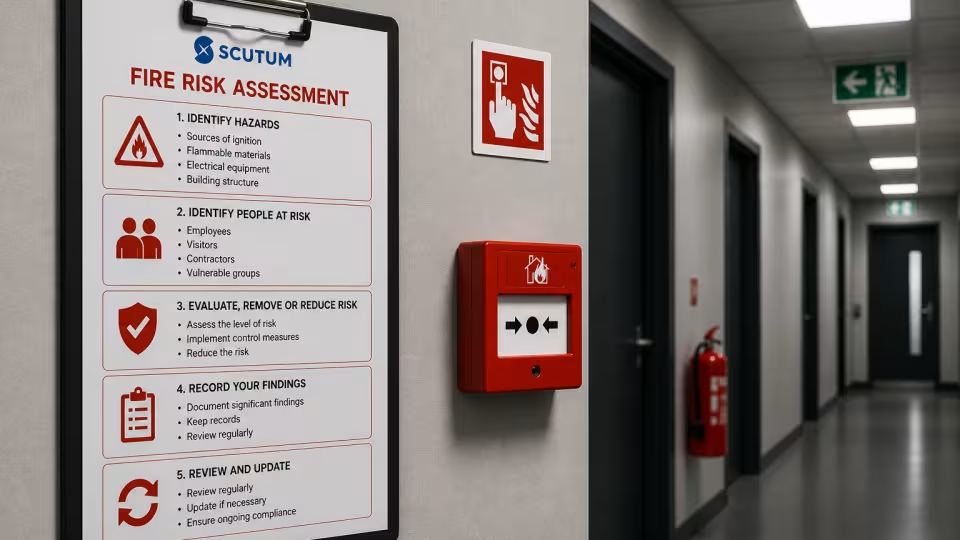
Their placement is designed to ensure that fire cannot travel through hidden voids between compartments. In existing buildings, particularly older properties, cavity barriers may be missing or not installed to current standards. In such cases, their presence and condition should be assessed as part of a professional fire risk assessment.

Why are They an Important Part of Fire Safety?

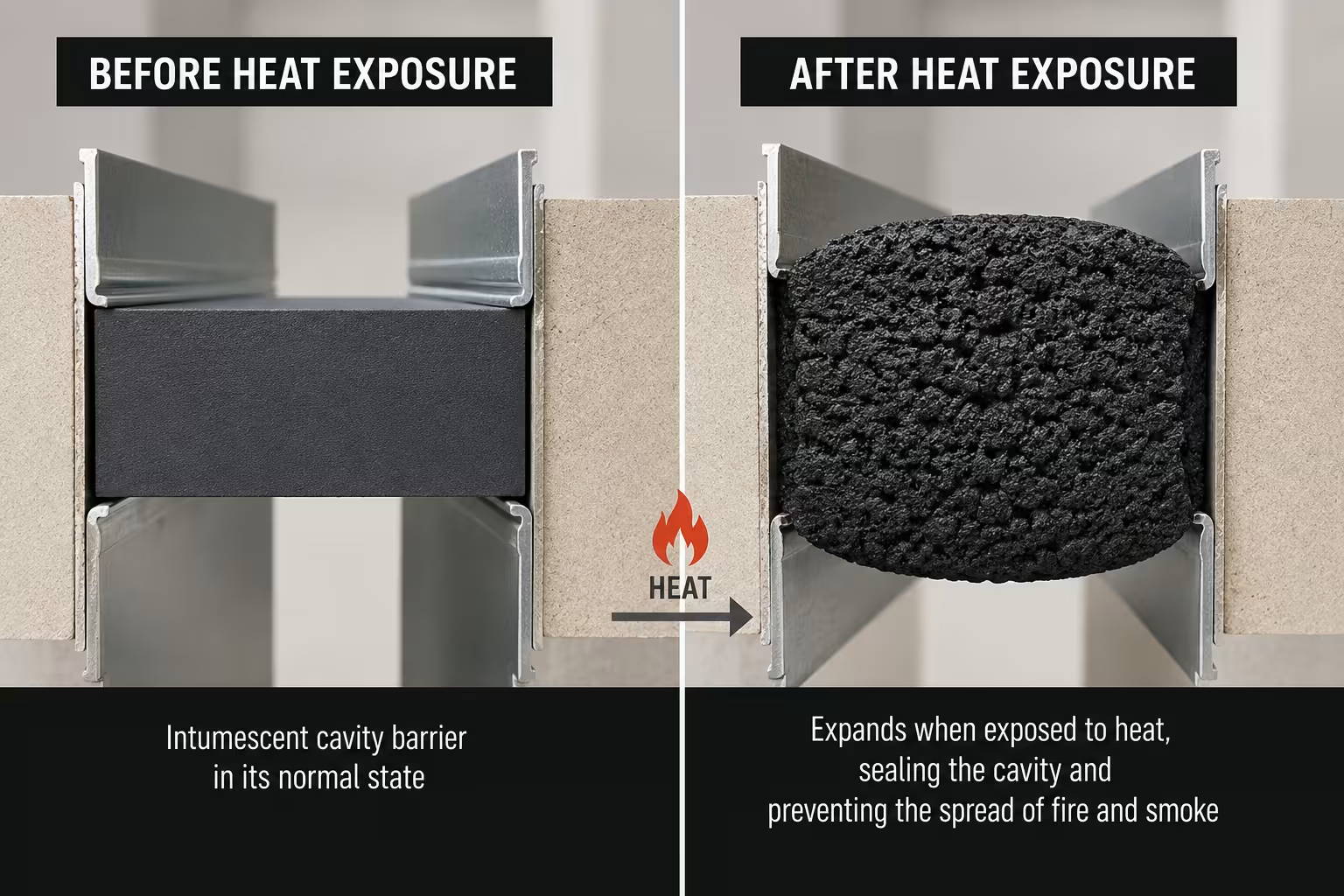
Cavity barriers play a vital role in slowing the spread of fire, giving occupants more time to evacuate and reducing potential damage to property. Many cavity barriers are made from materials that expand when exposed to heat, effectively sealing gaps and preventing flames and smoke from passing through.

By limiting the spread of fire and smoke within a building, they help contain fire to its point of origin and improve the effectiveness of other fire safety measures. For businesses and property owners, ensuring that cavity barriers are correctly installed and maintained is essential for compliance, safety, and protecting both people and assets.