Submitted by editor on
published on 23/03/2026

Combustion

Fire is a familiar concept, but the science behind it is often less understood. Combustion is the chemical process that causes fire, and understanding how it works is essential for effective fire prevention, detection, and control. By recognising how fires start, develop, and behave, organisations can better protect people, assets, and operations.

What is Combustion

Everyone knows what fire is, but combustion is often less clearly understood. While many people associate the term with burning materials or engines, combustion is a specific chemical process that underpins all fire.

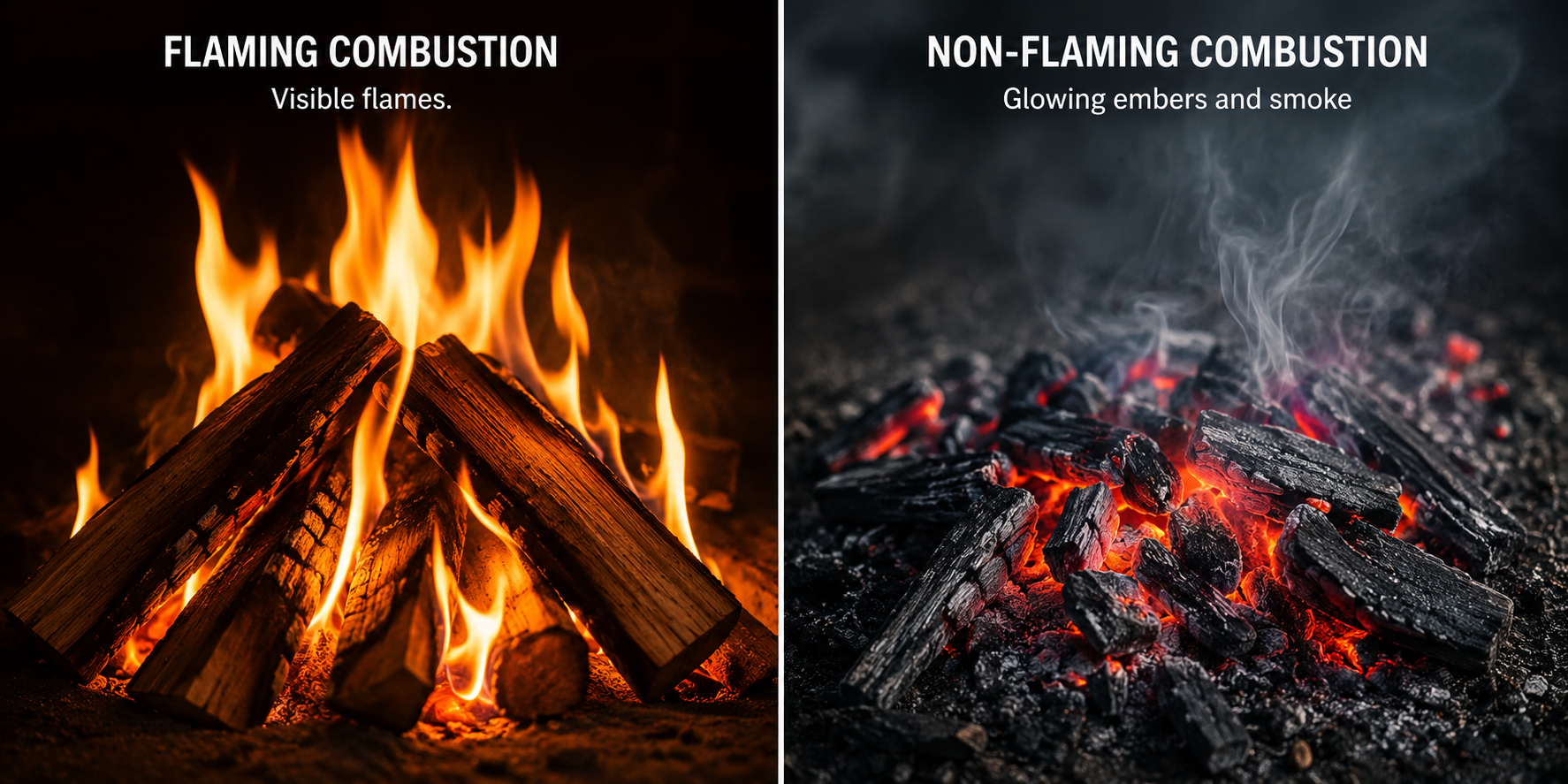
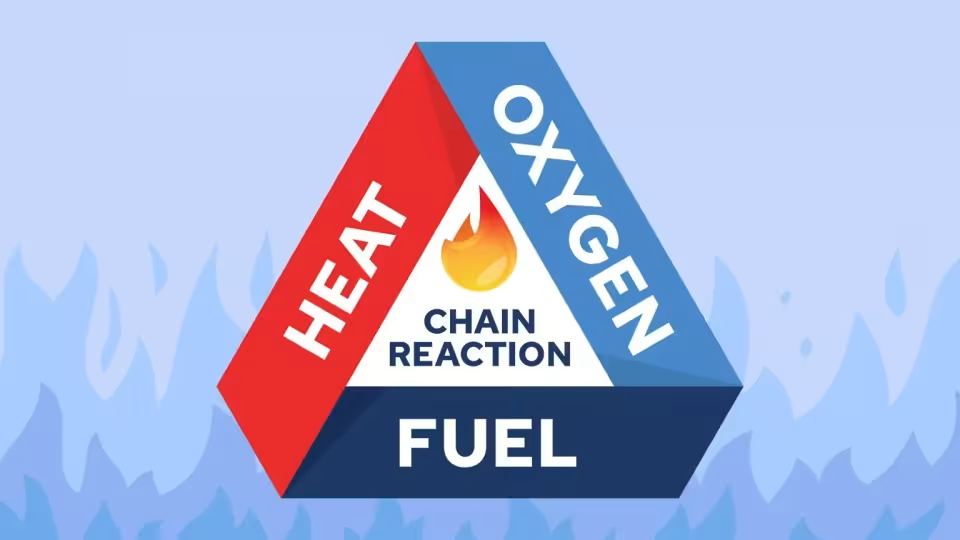
Combustion is the reaction between a fuel, such as wood or coal, and an oxidant, typically oxygen in the air. When a substance is heated and reacts with oxygen, it releases energy. In the case of fire, this energy is usually released as heat, but it can also produce light and sound.
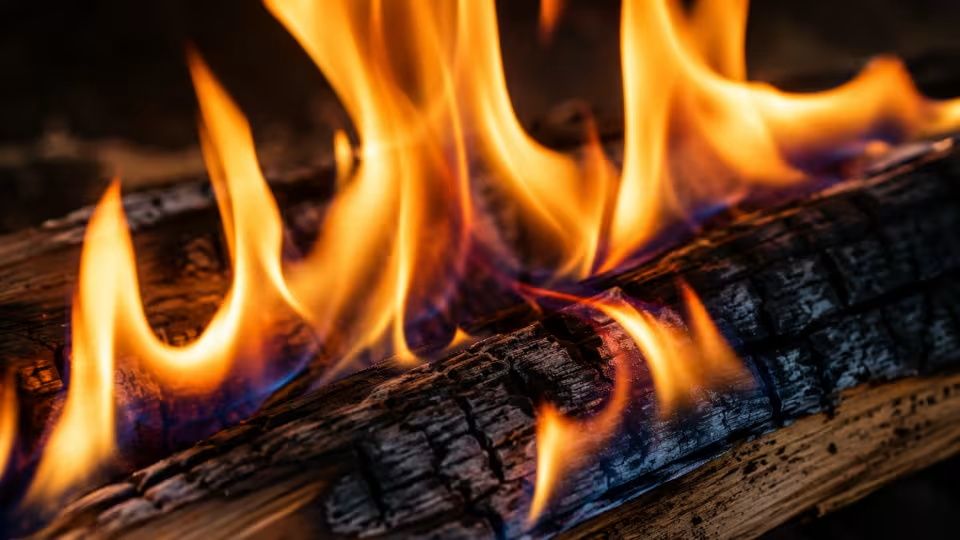
Fire is therefore the visible result of combustion. In simple terms, combustion is the process that starts a fire, while fire is what we observe once that process is underway.

What Happens in Combustion?

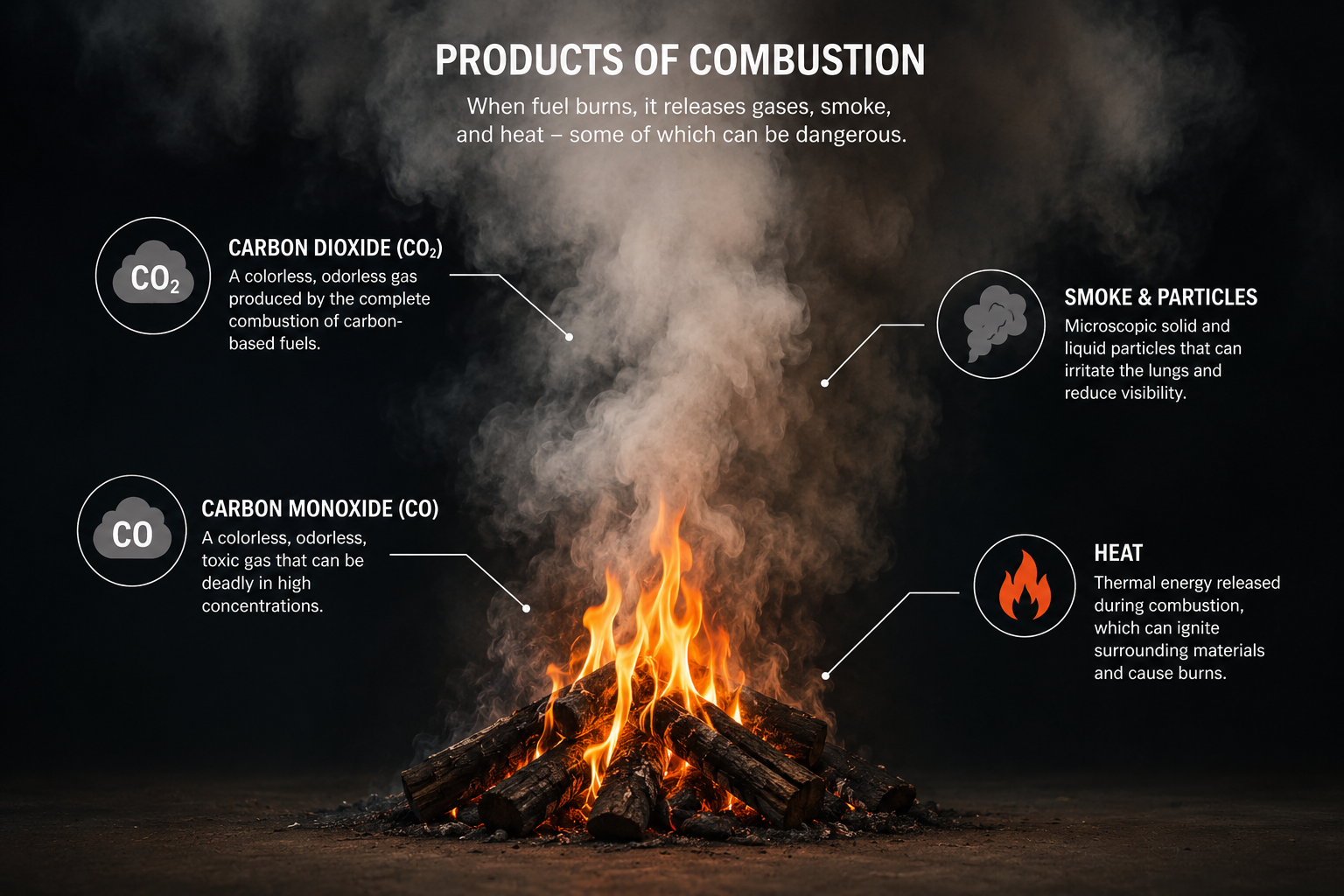
When combustion occurs, it produces a range of by-products depending on the materials involved. In many environments, particularly those involving fossil fuels, combustion can release gases and particles that are harmful to both people and the environment.

Common products of combustion include carbon dioxide, carbon monoxide, nitrogen oxides, and particle matter. In some cases, toxic substances such as lead may also be released. These by-products highlight the importance of early detection and effective fire control systems.

Understanding Combustion

Combustion can occur in several different ways depending on the conditions and materials involved.

Rapid combustion produces heat and light very quickly, as seen when lighting a gas hob. Spontaneous combustion occurs without an external heat source, when materials ignite due to internal chemical reactions. Explosive combustion is a fast and intense reaction that produces heat, light and sound, such as in fireworks or certain industrial incidents.

Understanding how combustion works and how fires develop is essential for effective fire prevention and control. At Scutum, we combine expertise with advanced fire detection and protection solutions to help organisations identify risks early and respond effectively.