While spontaneous combustion of lithium batteries does occur, it is an extremely rare occurrence. That said, it is something every organisation managing battery-powered equipment should be aware of and prepared for.
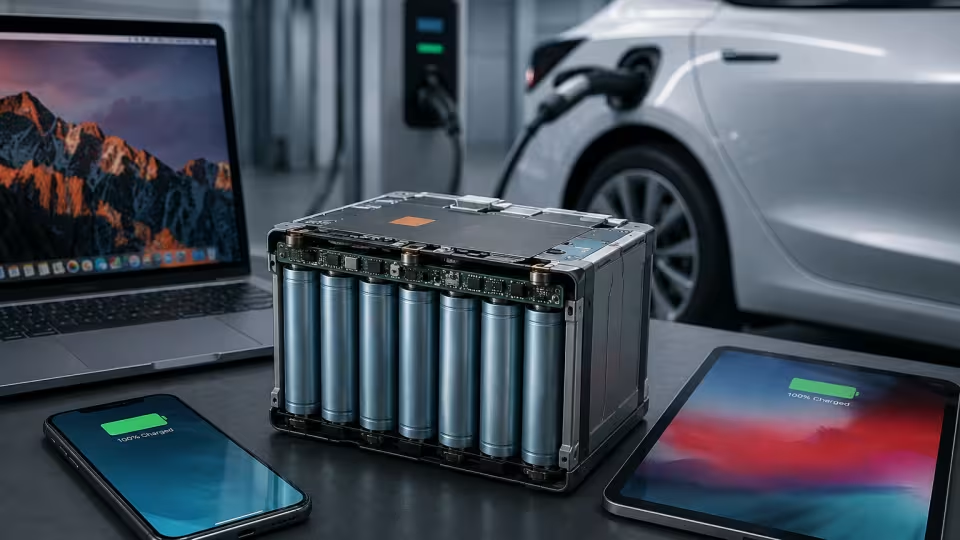
Lithium-ion batteries are now widely used in everyday devices, including laptops, mobile phones and tablets, as well as in larger systems such as electric vehicles, power grids and energy storage infrastructure across the UK. Their ability to recharge efficiently makes them a preferable choice in modern electronics.
However, while incidents are rare, lithium-ion batteries can pose a fire risk under certain conditions.
Understanding why this happens, and how to reduce the risk, is essential for both businesses and individuals.
While spontaneous combustion of lithium batteries does occur, it is an extremely rare occurrence. That said, it is something every organisation managing battery-powered equipment should be aware of and prepared for.
Lithium-ion batteries operate using two electrodes separated by an electrolyte, a conductive substance that allows electrical charge to flow. This process enables energy to move from the cathode to the anode, powering devices efficiently and repeatedly.
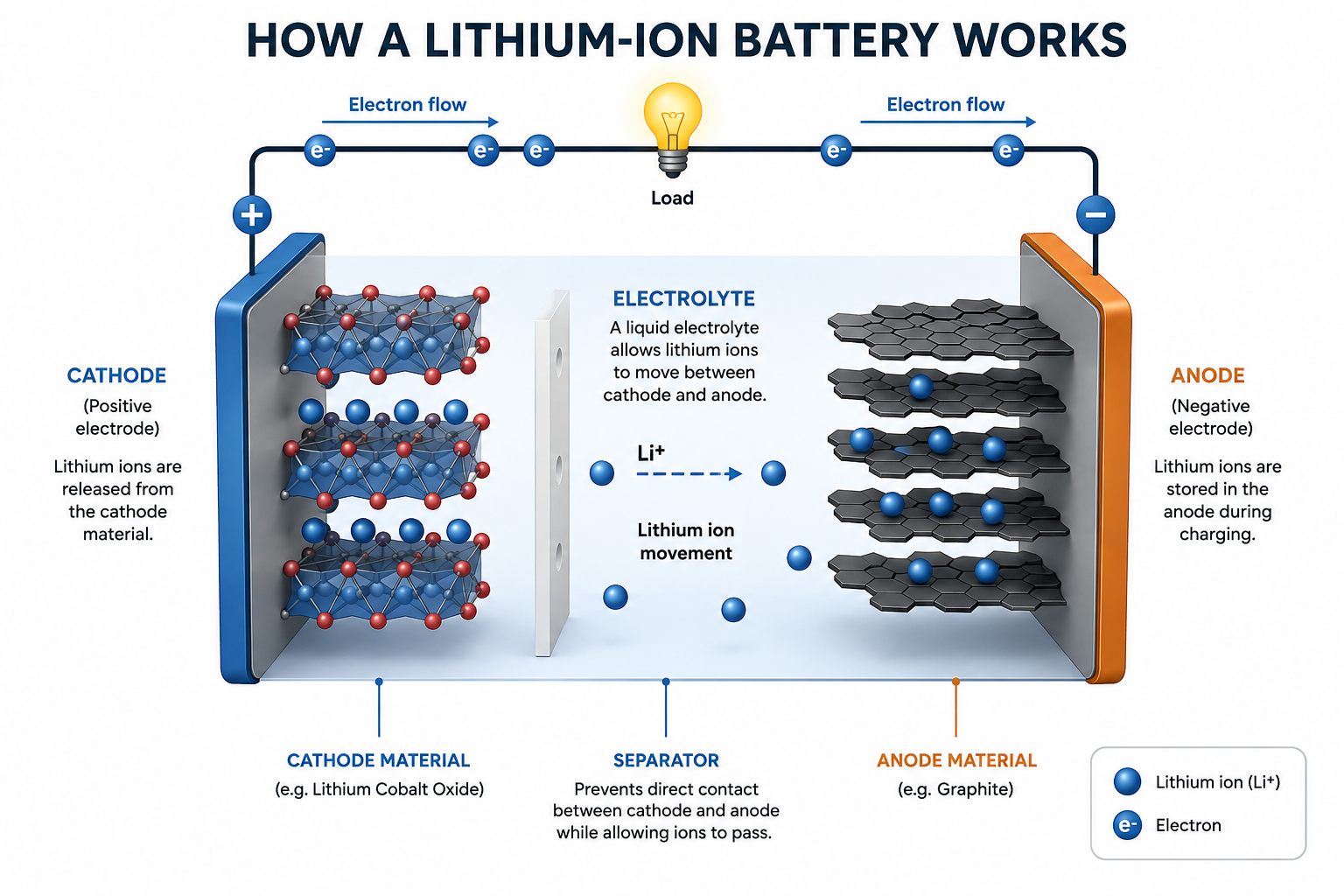
However, the same internal structure that enables performance can also create conditions where fire is possible. The electrolyte typically contains organic solvents, which are flammable and can act as fuel. Combined with heat generated during normal operation and oxygen released from battery materials, all three elements required for combustion, fuel, heat and oxygen, can be present within the battery itself. In this sense, a lithium-ion battery inherently contains the conditions of the fire triangle.
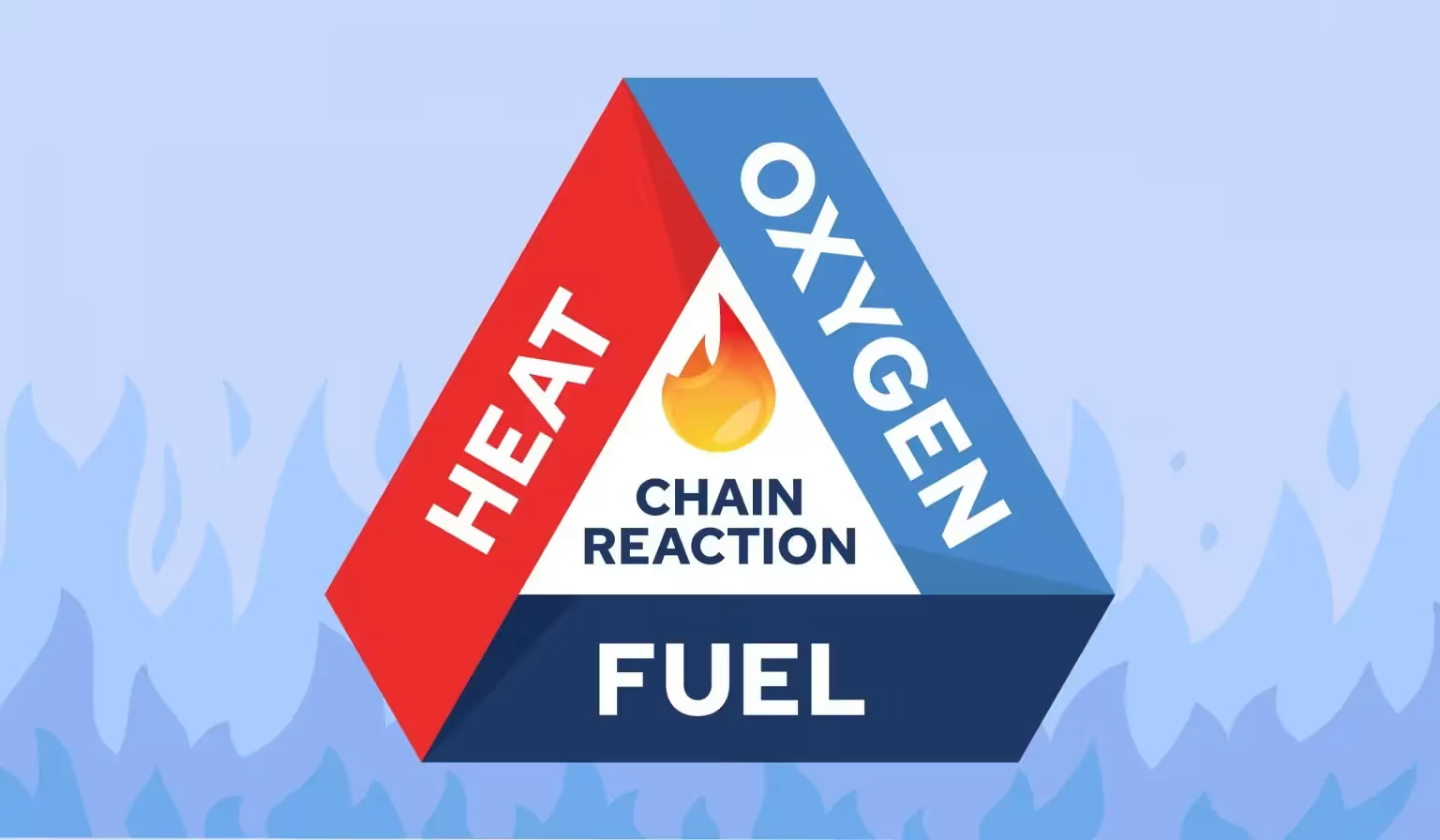
Although lithium-ion battery fires are uncommon, they can occur when the internal structure of the battery is compromised. Because batteries need to fit into compact spaces, their key components are extremely small and lightweight, often separated by thin partitions that are quite fragile. If these layers are damaged, through impact, manufacturing defects, overheating, or being punctured or pierced, a short circuit can occur, generating heat and sparks.
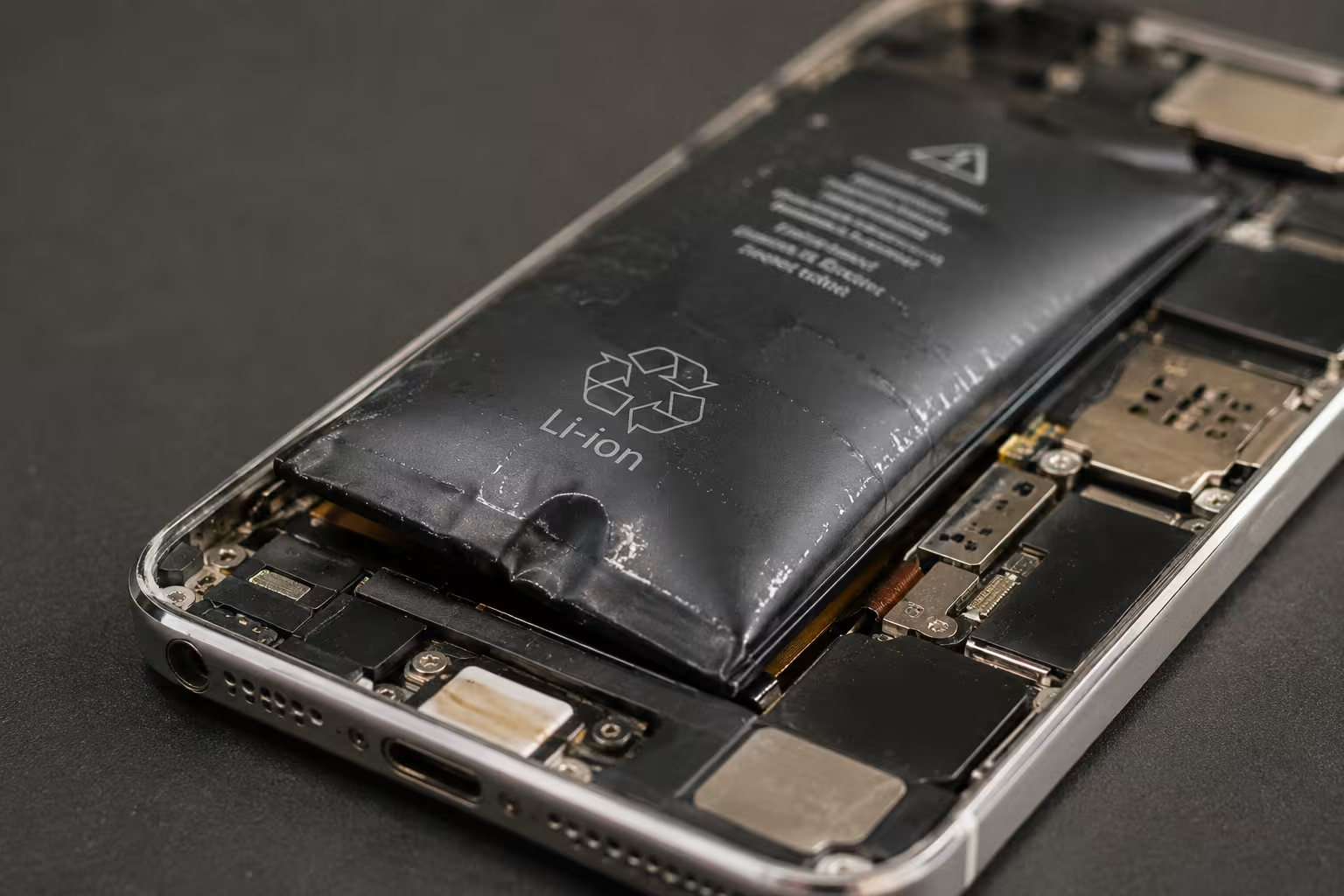
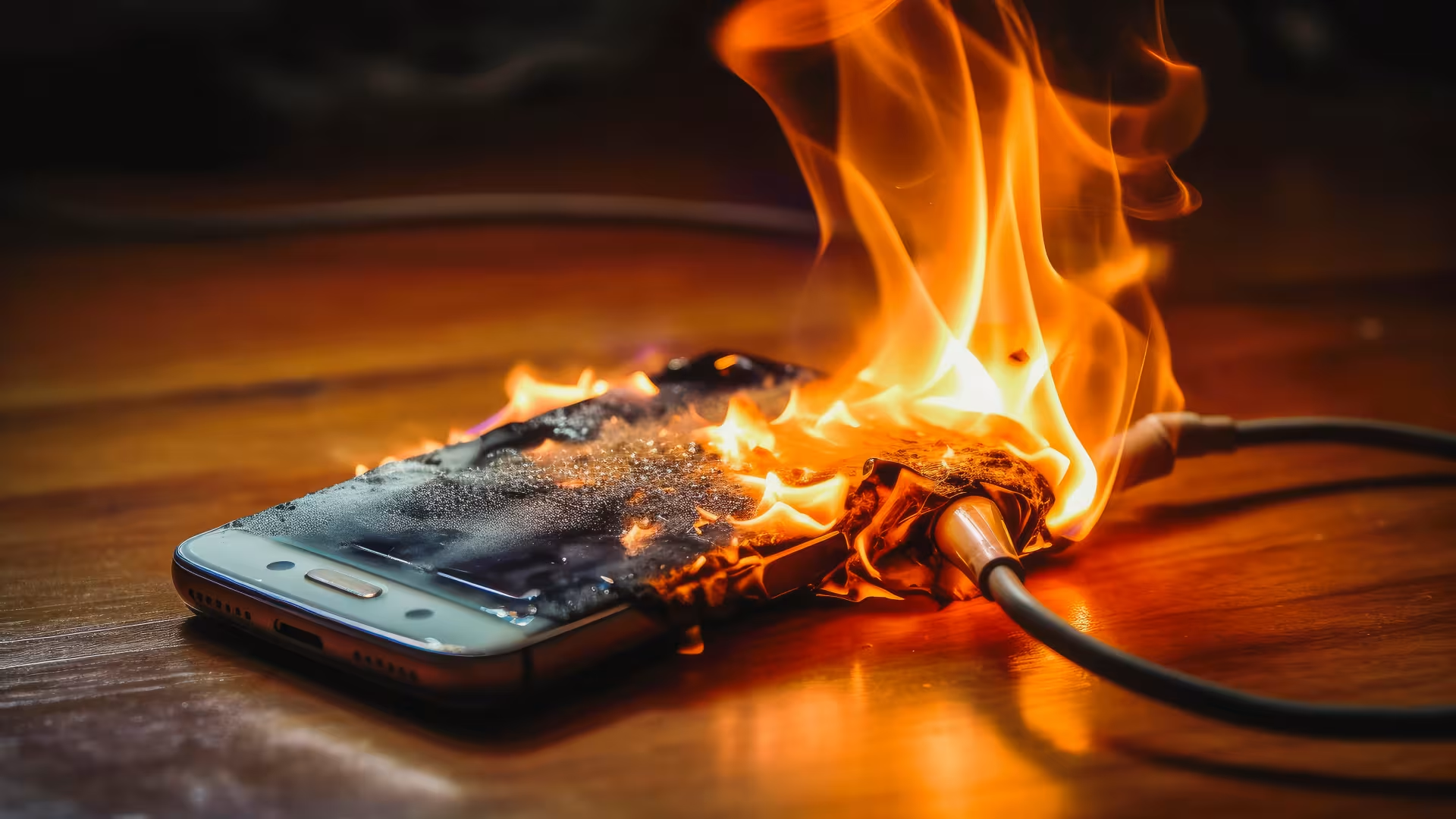
This can trigger a chain reaction known as thermal runaway: a process where heat builds up inside the battery faster than it can be dispersed elsewhere. As the heat generated inside the battery begins to exceed the amount that is released, the temperature escalates rapidly. In extreme cases, this can lead to fire or explosion from the battery.
It is important to note that this is an extremely rare occurrence, but one that organisations handling large numbers of battery-powered devices should understand and plan for.
If your business or organisation handles a large number of products that include lithium-ion batteries, it is important to understand the risks and take steps to prevent a fire from breaking out. The following measures significantly reduce the likelihood of an incident.
Batteries should always be stored in environments where temperatures are controlled. Avoid exposing them to excessive heat, do not leave them in hot vehicles, rooms that are known to overheat, or in direct sunlight. For individual products such as laptops and mobile phones, avoid covering them with blankets or keeping them in warm pockets for extended periods. Devices should also be kept uncovered during use and charging to prevent heat from becoming trapped.

It is advisable to avoid storing multiple battery-powered devices in close proximity for extended periods, especially during transport. Try not to keep laptops, phones and tablets all in the same bag while travelling. Separating devices reduces the likelihood of multiple items being affected if a fault occurs, while it won't necessarily stop a fire from occurring, it will limit the potential for it to spread.
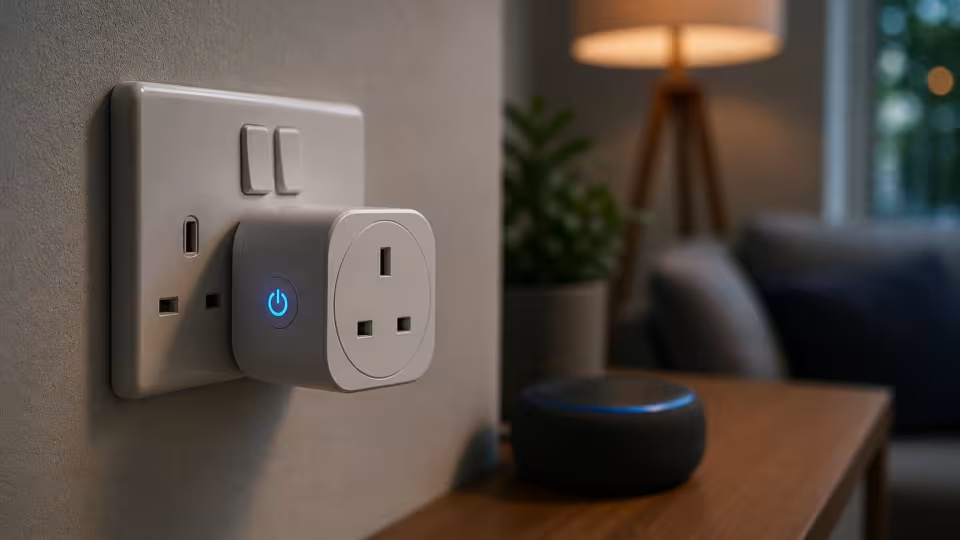
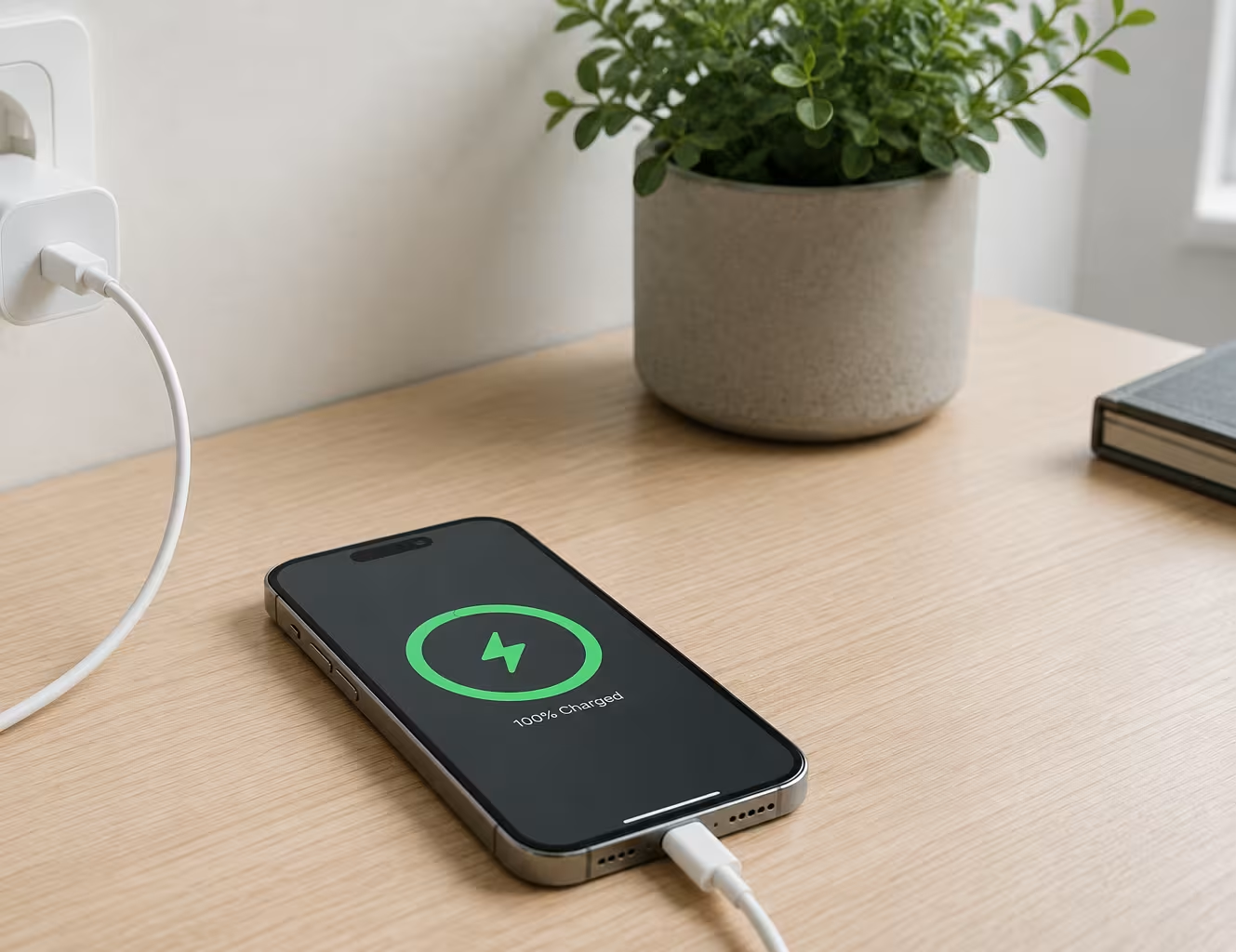
Proper charging habits are equally important. Avoid letting batteries fully discharge before recharging, and do not leave devices plugged in after they are fully charged. Overcharging, keeping your device plugged in even after it has been fully charged, causes the battery to become hot to the touch and can contribute to long-term battery degradation, making it more susceptible to faults. Always unplug devices once they have reached full charge.
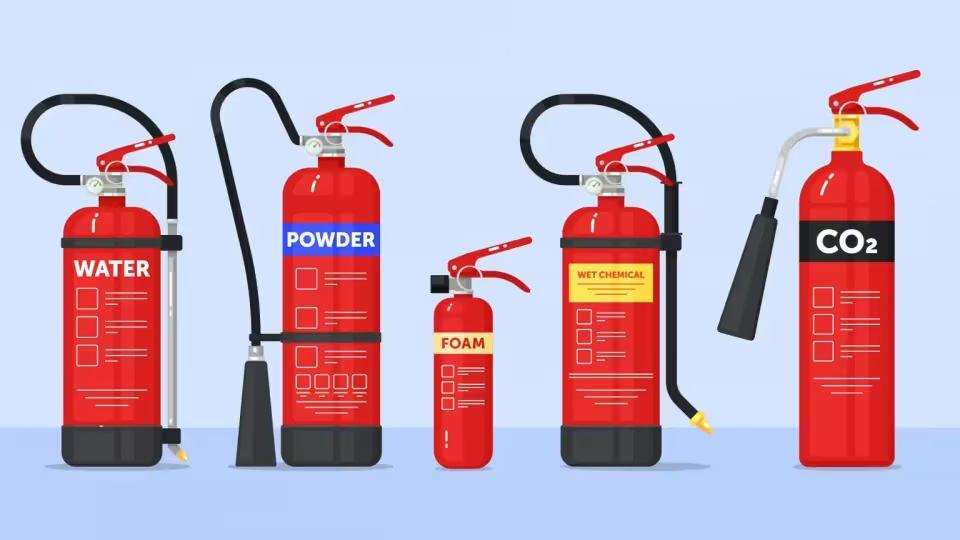
If a lithium-ion battery fire occurs, do not use water to attempt to extinguish it. Standard fire extinguishers may also be ineffective. The correct approach is to use a specialist lithium-ion battery extinguisher containing Aqueous Vermiculite Dispersion (AVD), which cools the fire and creates a non-flammable barrier to prevent re-ignition. Evacuate the area immediately and contact the emergency services.
For businesses managing multiple battery-powered devices, having the correct fire extinguisher on site and ensuring staff are trained to use it is an essential part of fire safety planning.
Don't wait for an incident to act. Contact Scutum today to arrange a fire risk assessment, lithium-ion battery extinguisher installation or fire safety review — and ensure your premises are properly equipped to handle this growing fire risk.

The key takeaways are :